Potato Growing Shrinks in Latvia as Export-Friendly Crops Take Over Fields
Potato cultivation in Latvia is declining and the crop is becoming a niche product, says agricultural expert Iveta Grudovska. Because the domestic market is small, farmers have to focus on crops suited for export.
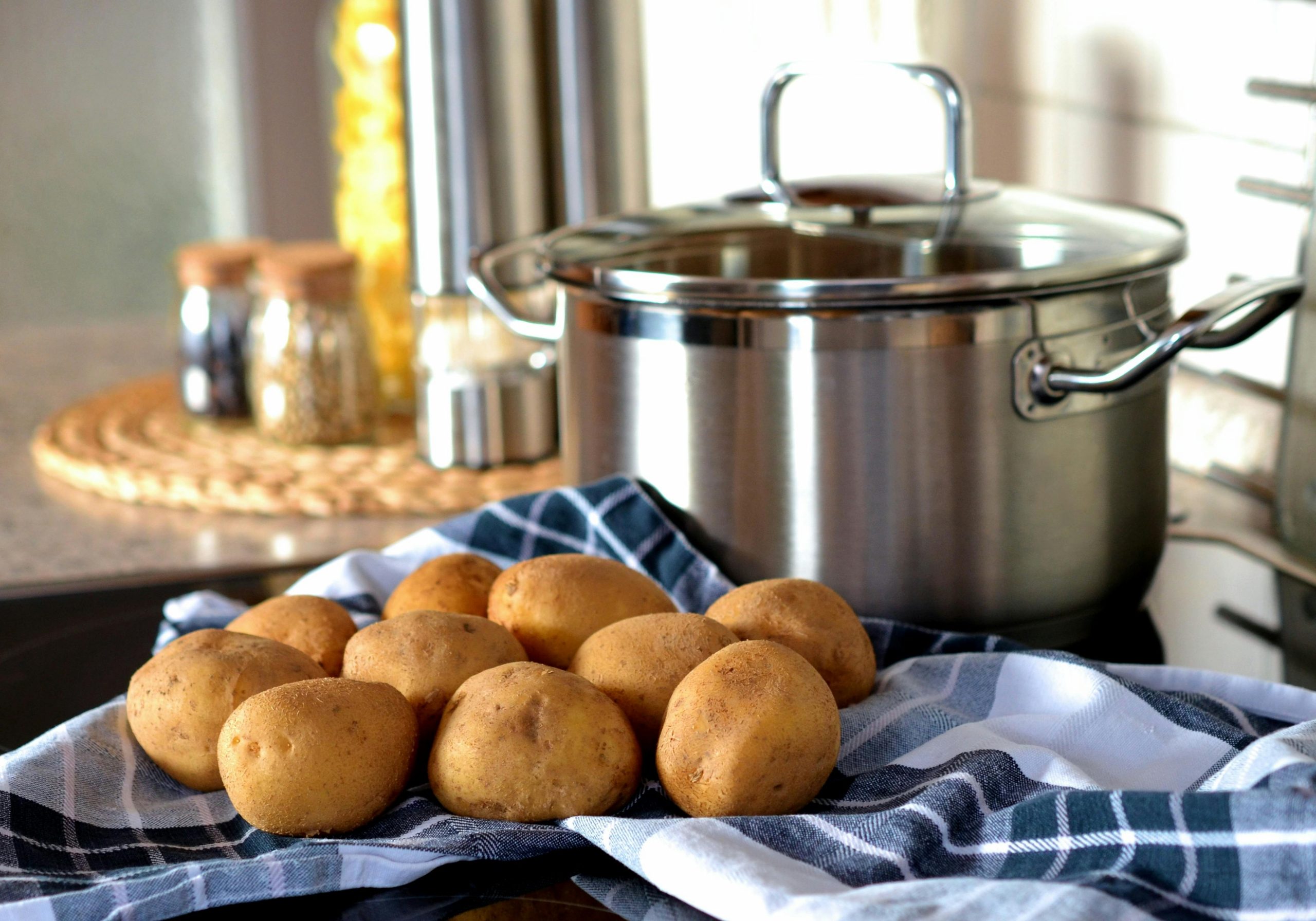
Farmers in Latvia are growing fewer and fewer potatoes, and the crop is gradually turning into a niche product. This was explained by Iveta Grudovska, who runs the “Lielvaicēni” farm and is an agricultural expert at the association “Zemnieku saeima” (Farmers' Parliament), on the TV24 programme “Pašu produkts, pašu spēks”, which looked at changes in Latvian agriculture.
Why other crops dominate
Grudovska noted that Latvia's domestic market is very small, so farmers must think about exports regardless of their preferences. Priority therefore goes to crops that can be grown in large volumes and whose produce is uniform and easily understood by buyers. Winter wheat and rapeseed currently hold an important place in Latvian fields, while oat growing is also developing in an interesting way.
Potatoes, like vegetables, are increasingly grown on specialised farms and are no longer a standard crop on a conventional farm.
Diversification options and limits
Farmers would gladly diversify what they grow, but this requires a stable sales market. The expert mentioned beans and peas, which could serve as a local source of protein. The European Union has set targets for developing protein crops, but putting them into practice remains slow. Farmers are also interested in crops such as oil flax, and if the climate keeps warming, soybean growing could become possible in Latvia in future.
Diversification is further limited by the small number of farm animals, which reduces demand for clover, alfalfa and grass mixtures. Grudovska admitted she would gladly grow alfalfa for pellet production if there were a stable market.
She stressed the role of cooperatives and processing companies: cooperatives help find export markets and secure sales for farmers' produce.