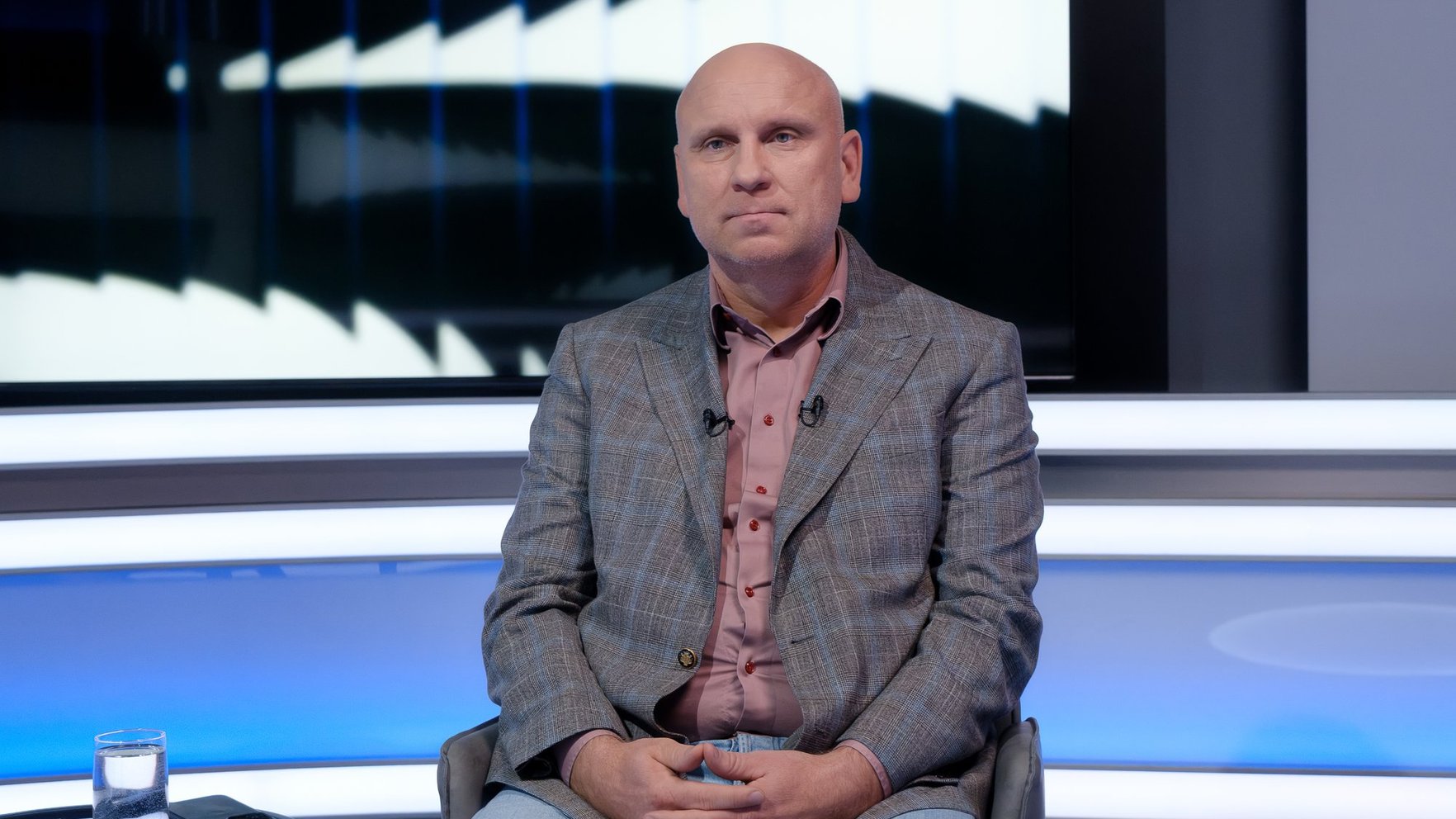
Estonian cement plant chief: halting the green transition could end in disaster for many companies
Riho Iskula, director of the Kunda Heidelberg Materials building materials plant in Estonia (formerly the Kunda cement factory), warns that stopping the green transition would be a disaster for firms that have already invested billions of euros.
The director of the Kunda Heidelberg Materials building materials plant in Estonia, formerly the Kunda cement factory, says that following through on some politicians' promises to halt the green transition would be a disaster for many companies. Riho Iskula said these firms have already invested billions of euros to meet new requirements. He spoke on the "Reedene intervjuu" (Friday Interview) programme on the Estonian radio station Vikerraadio.
Rules to be followed
Iskula noted that the green transition can be interpreted in different ways: for some it is a matter of belief, for others a matter of numbers, but an agreement on it has been reached. He compared running a company to driving a car: there are traffic rules, and one must act within them whether one likes them or believes in them. This, he said, is why companies need to take part in the "CO2 rally".
The Trump example
In his view, especially since US President Donald Trump came to power, opposition forces in large European countries have begun to imitate him. As the latest example he cited French far-right populist leader Marine Le Pen, who has promised that if she takes power she will immediately stop the green transition and either abolish or change the ETS, the EU system for trading greenhouse gas emission allowances.
Consequences for business
Iskula said this would be a catastrophe. Quite a lot has already been done, and for those who have invested it means billions. Business plans would no longer add up as planned. The green transition in Europe will not disappear, he said, but some things may be postponed or dragged out, meaning all plans would change. He asked who would pay for it, and what would result if products became much more expensive. For some companies, he said, it would be a catastrophe.