Africa's quiet diplomacy over the Strait of Hormuz crisis
Nearly six months of disrupted shipping through the Strait of Hormuz have hit several African economies hard, yet the continent's governments have largely opted for cautious, low-profile diplomacy.
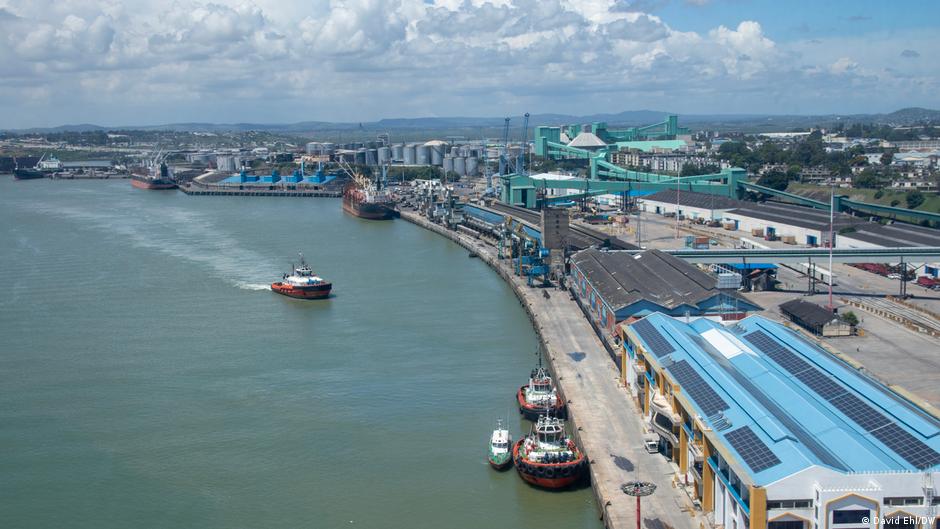
Since US-Israeli airstrikes on Iran began at the end of February, shipping through the Strait of Hormuz has dropped to a bare minimum. Cargo vessels have occasionally come under fire from Iranian forces, while at other times mere threats from Tehran or Washington have been enough to halt traffic. Several rounds of talks, a joint memorandum and discussions on a maritime protection mission have so far failed to stabilize the situation. Whether a newly reported deal between Iran and Oman on a shipping corridor will succeed remains uncertain.
The conflict has driven up fossil fuel prices worldwide, fueling inflation. Some African countries, despite being relatively close to the Gulf, have faced severe fuel shortages, with long queues forming at gas stations. Because much fertilizer is also sourced from the Gulf region, this year's harvests are at risk too.
A cautious approach
Liesl Louw-Vaudran of the International Crisis Group says African governments still appear to be planning on the assumption that the Middle East crisis could drag on. Although the US and Iran signed a memorandum of understanding in June, she sees no sign of renewed optimism or revised economic planning — most actors are simply waiting to see how things unfold.
The African members currently on the UN Security Council — the Democratic Republic of Congo, Somalia and Liberia — backed a March resolution condemning Iranian attacks on Gulf states, yet African governments have generally avoided directly blaming US President Donald Trump, who launched the war alongside Israeli leader Benjamin Netanyahu. Analyst Dismas Mokua notes that leaders worldwide, not only in Africa, fear the consequences of publicly criticizing Trump.
Consequences and openings
The African Union, with 55 member states, remains cautious after a negative experience in 2022, when its then-chairperson was silenced by heads of state for criticizing Russia over Ukraine. Beyond statements, governments must act: Kenya, for instance, is said to have adapted its supply chains successfully, while Ethiopia had to prioritize fuel deliveries to security services, public transport and agriculture, leaving private consumers facing shortages.
For some countries, the crisis has created opportunities. Nigeria's new Dangote refinery, which became the world's largest aviation fuel exporter in April, has positioned the country as a supply partner for other African nations. Analysts say the crisis also strengthens the case for pressing ahead with the African Continental Free Trade Area, reducing reliance on external supply chains.