Violeta Brenčeva: Textbook quality depends on the entire system
In an opinion piece, Violeta Brenčeva argues that the quality of teaching materials cannot be ensured by demands alone – it requires time, stable funding, timely changes and professional reviewing.
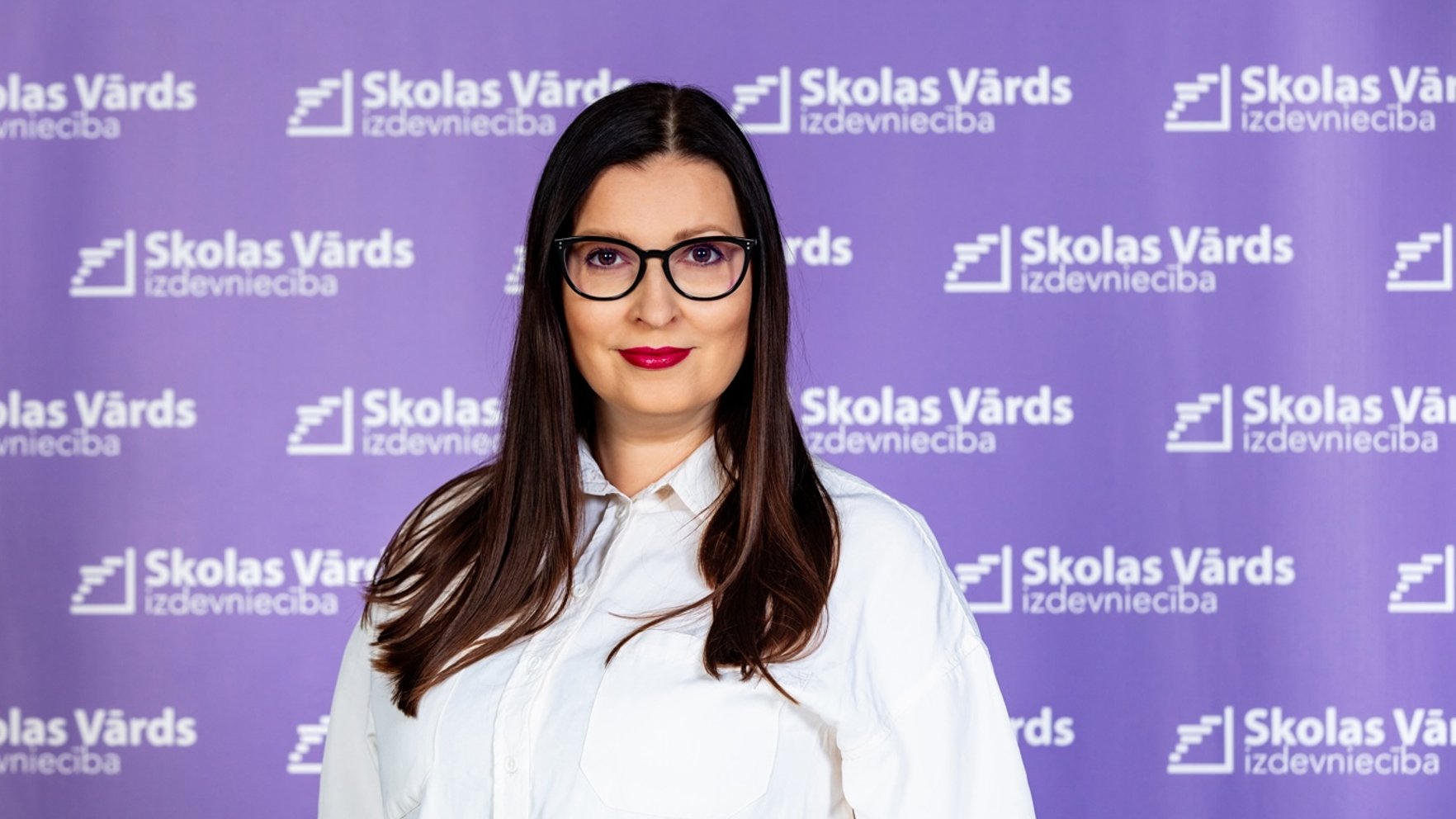
Discussions about teaching aids usually centre on errors, prices or formats, but quality educational materials depend on the entire system, not just publishers, argues Violeta Brenčeva.
She notes that a good textbook is not a project of a few months. It takes 10 to 15 specialists – teachers, methodologists, researchers, editors, proofreaders, designers and reviewers. Publishers involve practicing teachers and use their feedback to improve materials.
Time and stability
Developing a textbook takes at least one to two years, ideally with piloting in schools. If curriculum changes are announced shortly before implementation, a publisher cannot be both quick and flawless. Brenčeva calls for a long-term curriculum roadmap so all parties know changes in advance.
Funding and choice
Another issue is unequal access to learning materials. Students across Latvia are expected to achieve the same results, but schools have different budgets. State funding is insufficient and municipal capacities vary. In some schools, teachers must create or find content themselves. Therefore funding for learning materials cannot be an afterthought. Schools should also be able to choose between expendable workbooks and reusable textbooks depending on their financial situation.
Review process needs improvement
Currently the State Education Development Agency (VIAA) uses two anonymous reviewers for submitted materials. If their assessments differ, authors have no way to understand the reasons. Brenčeva proposes a publicly known pool of qualified reviewers with clear requirements on competence and independence. Deadlines also matter – if review takes months instead of one month, publishers miss printing schedules and teachers do not receive materials in time.
She emphasises that publishers, teachers and institutions are not opponents. The common goal is to provide high-quality, modern and accessible teaching materials. But quality cannot be achieved by simply demanding better books; it requires equal funding, stable policy, timely changes, reasonable timelines and professional, collaborative reviewing.