Ukrainian drones expose gaps in Russia's air defense?
The June 18 drone attack on Moscow, the largest since the full-scale invasion, sparked debate about Russian air defense weaknesses, though experts suggest the issue is more about the increasing number of drones rather than systemic flaws.
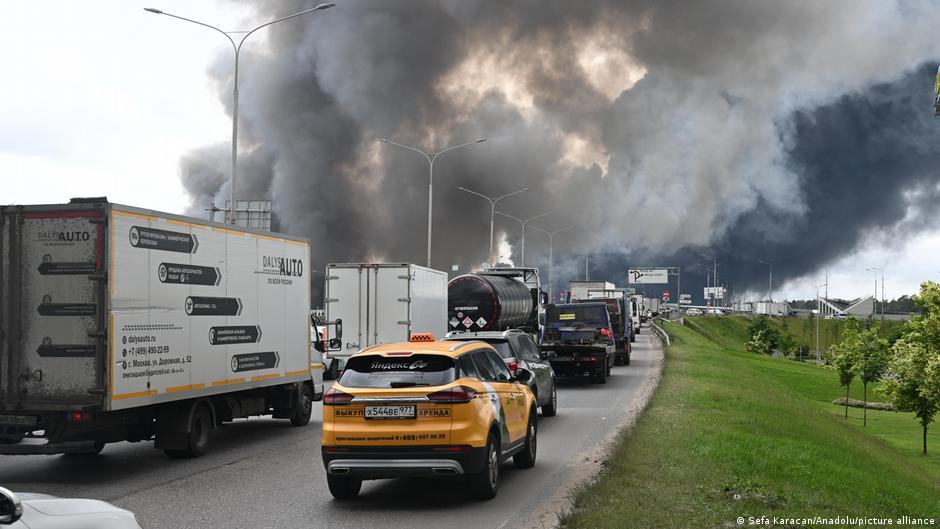
After Ukrainian drones struck targets across Moscow on June 18—the largest attack since the start of Russia's full-scale invasion—discussions erupted about holes in Russia's defense net. A major oil refinery supplying 40% of the region's fuel was set ablaze, with production halted for several days. Evacuations took place at Russia's largest airport, and social media was flooded with footage appearing to show failed interceptions by Russian air defense.
Russian dissident and military analyst Ruslan Leviev of the Conflict Intelligence Team told DW that the impression of failed interceptions forms among non-specialists who see a missile fly past a drone without hitting it. Exiled Russian journalist Ivan Filippov, who tracks pro-Kremlin bloggers, noted their growing alarm that Ukraine had found a gap in Russian defenses. Bloggers call for radical reform of the defense ministry and military-industrial complex but are pessimistic about its feasibility.
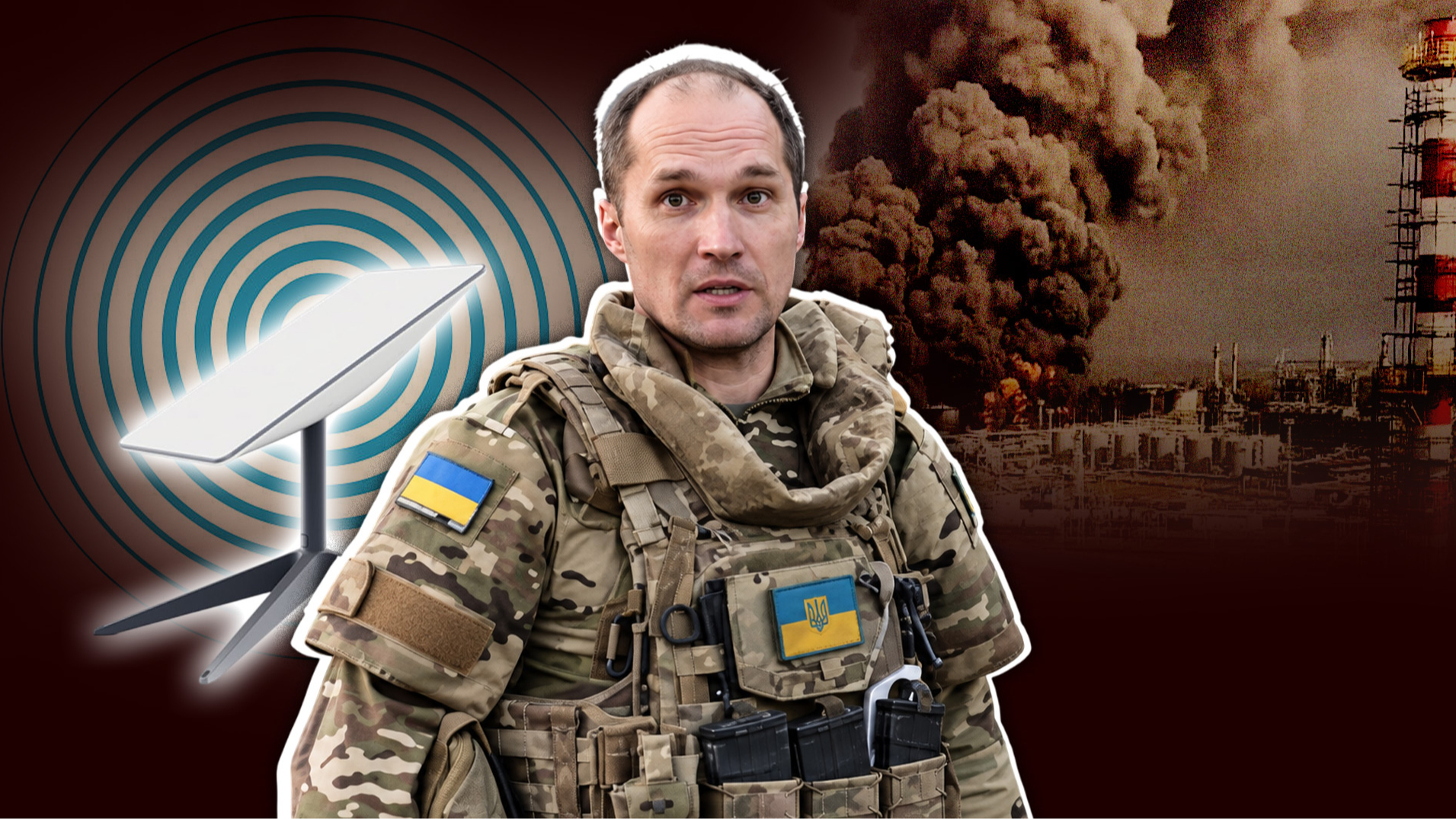
Ukrainian aviation expert Anatoliy Khrapchynskyi attributed the June 18 breach to two factors: systemic degradation of Russian defense and technological evolution of Ukraine's strike capabilities. Leviev, however, did not record weakening of Russian defenses, noting that over 90% of drones were downed over Moscow. But the few that got through caused substantial damage. He believes the core issue is quantity: mass drone attacks demand more hardware than industry can supply.
Russian systems like the Pantsir-S1 were designed to counter classic large-scale attackers such as cruise missiles and are calibrated for highly radar-reflective metal targets. Modern drones made from composite materials like plastic or plywood are essentially invisible to these systems. The sheer size of Russian territory makes an unbroken "air wall" impossible. Moscow's dense urban development, especially high-rises, helps drones hide from radars.
Ukraine exploits these vulnerabilities. Khrapchynskyi explained that Kyiv's long-range drones have significantly improved in plotting complex flight paths and avoiding interception zones. Russia has also redeployed some air defense systems to occupied parts of Ukraine, breaking down what was once a layered defense into a patchwork. CBS, citing Ukrainian sources, reported that Russia may be running short of S-300 systems due to sanctions hindering component replacements and repurposing of these systems for surface-to-surface strikes on Ukraine.
Khrapchynskyi concluded that Russia fell into its own "math of war" trap: by trying to overwhelm Ukrainian defenses with S-300 strikes, it depleted its own interceptor stocks. After the June 18 attack, Kremlin officials seemed more rattled by the documentation than the attack itself. Dmitry Peskov claimed air defense performed appropriately and urged focus on Russian strikes. Leviev views such attacks as "political strikes" to unsettle public opinion ahead of September's State Duma elections, with little military impact.