On Ukraine's Defenders' Day, soldiers describe what gratitude truly means to them
Ahead of Ukraine's Defenders' Day, Ukrainska Pravda spoke with six service members about how they experience public thanks, what kind of support actually helps, and what they miss from civilian life. Several said expressions of gratitude make them uncomfortable, while concrete care and ordinary conversation matter far more.
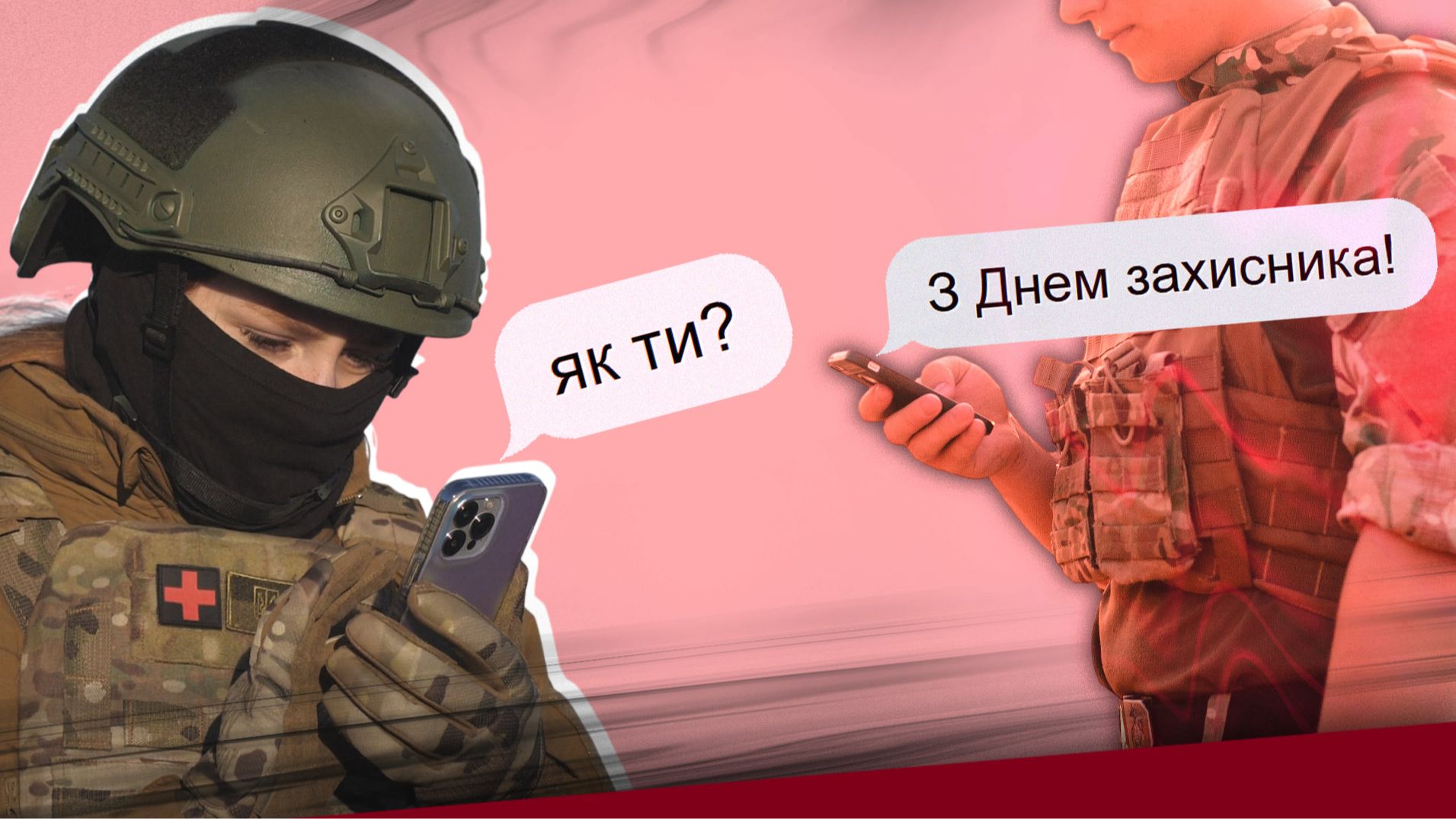
On October 1, Ukraine's Day of Defenders, Ukrainska Pravda interviewed six military personnel about how they perceive public gratitude and what they genuinely need.
Gratitude can feel awkward
Several interviewees said the phrase "thank you for your service" leaves them uneasy, since many see their work as simply a job. A special operations forces soldier using the callsign Friday, who has served since 2018, recalled that before 2022 people in uniform were often treated with disdain, but attitudes have since shifted — free coffee, store discounts and seats offered on public transport have become common. Katya, a servicewoman in her sixth year, said people often doubt that a woman in uniform is actually a soldier and ask her to show ID. She wishes service members were seen first as professionals, regardless of gender, rather than having their choice attributed to romantic motives.
Concrete care matters more than words
Ihor, who operates an unmanned aerial systems post, said actions matter more than words — donations and support for the military carry more weight than phrases that can feel as routine as a greeting. He expressed frustration at how little civilians understand about the demanding work behind drone operations. Border guard artilleryman Eduard described a touching moment when his grandmother, alarmed by what she read on Facebook, offered to send him food from her small pension. He said sarcastic questions about the war's progress are especially discouraging, while relatives asking how they can help mean a great deal.
What's missing is ordinary conversation
Daniil, who works on mobilization for a recruitment center, said no one has thanked him in a long time and that he lacks free time to spend with loved ones. Several interviewees said they miss simple, everyday conversations — about films, music or daily life — that help them feel connected to life beyond the military. Friday closed by urging readers to stay in touch with loved ones serving, send small gifts, or simply ask how they are doing.