THC Medication Eliminates PTSD Nightmares in More Than a Third of Patients
A Charité – Universitätsmedizin Berlin study found that a prescription THC medication significantly reduced PTSD-related nightmare severity. After ten weeks, more than a third of participants reported their nightmares had completely disappeared.
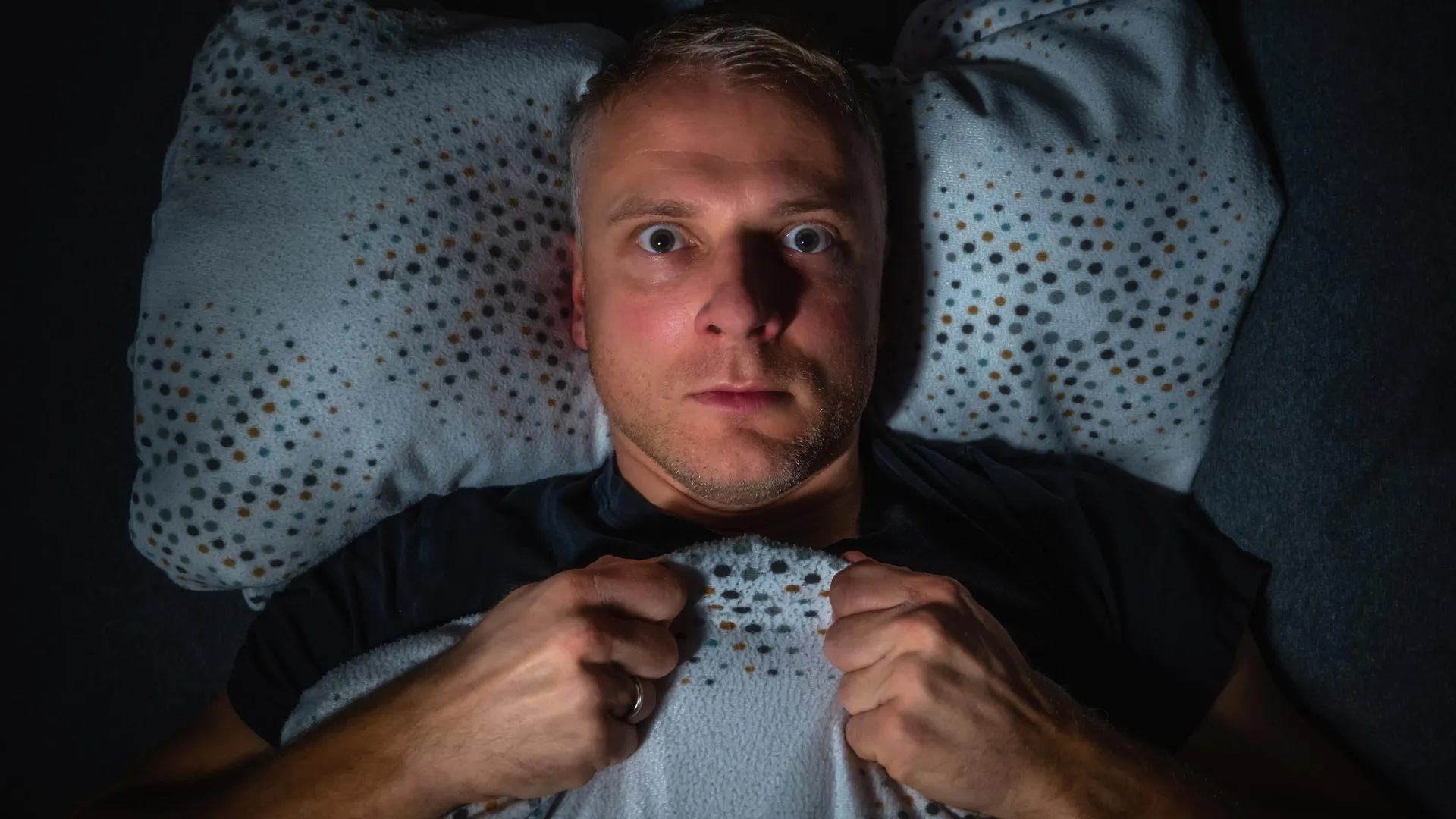
Nightmares are among the most distressing symptoms of post-traumatic stress disorder (PTSD), which can develop after disasters, accidents, violence, combat or other severe trauma. People with PTSD often relive the event in vivid detail during sleep, leading to serious sleep deprivation and a fear of going to bed. Existing medications offer only limited relief for trauma-related nightmares.
Researchers at Charité – Universitätsmedizin Berlin investigated whether a prescription drug containing THC, the main psychoactive compound in cannabis, could help. The results, published in Nature Medicine, showed that more than half of participants responded to treatment and more than a third said their nightmares disappeared entirely.
How the trial worked
THC interacts with the body's endocannabinoid system, which helps regulate sleep, stress and the processing of emotional memories. Prof. Stefan Röpke, who studies trauma-related disorders at Charité, noted that evidence suggests THC reduces dream activity during REM sleep, thereby easing nighttime stress responses.
The study used Dronabinol, a prescription THC medication derived from the cannabis plant and administered as drops. More than 170 people with PTSD and frequent, severe nightmares took part. For ten weeks, they received either Dronabinol or an identical cannabis-flavored placebo each evening before bed. Neither participants nor health professionals knew who received which treatment, following the double-blind, placebo-controlled design.
Results
At the end of ten weeks, nightmare severity had fallen significantly more in the Dronabinol group. On a scale from zero to eight, the average nightmare burden dropped by 3.7 points among those taking Dronabinol, compared with 2.2 points in the placebo group. More than a third of Dronabinol-treated patients had no nightmares at all after ten weeks, and another 21 percent saw their nightmare burden at least halved. About five out of six patients in that group felt their health had markedly improved.
However, the drug appeared to act specifically on nightmares and sleep rather than on every aspect of PTSD. The researchers could not conclusively show that it reduced overall PTSD severity or associated depression.
Safety and future research
No severe side effects were reported. Mild and moderate effects, such as dizziness, headaches and increased appetite, occurred more often with Dronabinol. No withdrawal symptoms appeared when participants stopped taking the evening doses.
Future studies will examine the treatment's long-term safety and whether patients may develop tolerance. Charité initiated and led the research, with participation from several German institutions and support from Bionorica SE.