Rare Brain-Eating Amoeba Killed a Healthy Toddler — Doctors Detail Missed Warning Signs
A healthy toddler in Washington state died after doctors took over a month to identify a rare brain infection caused by the amoeba Balamuthia mandrillaris, having initially misdiagnosed him with a vascular inflammatory disease. His case was published to help other doctors catch the infection sooner.
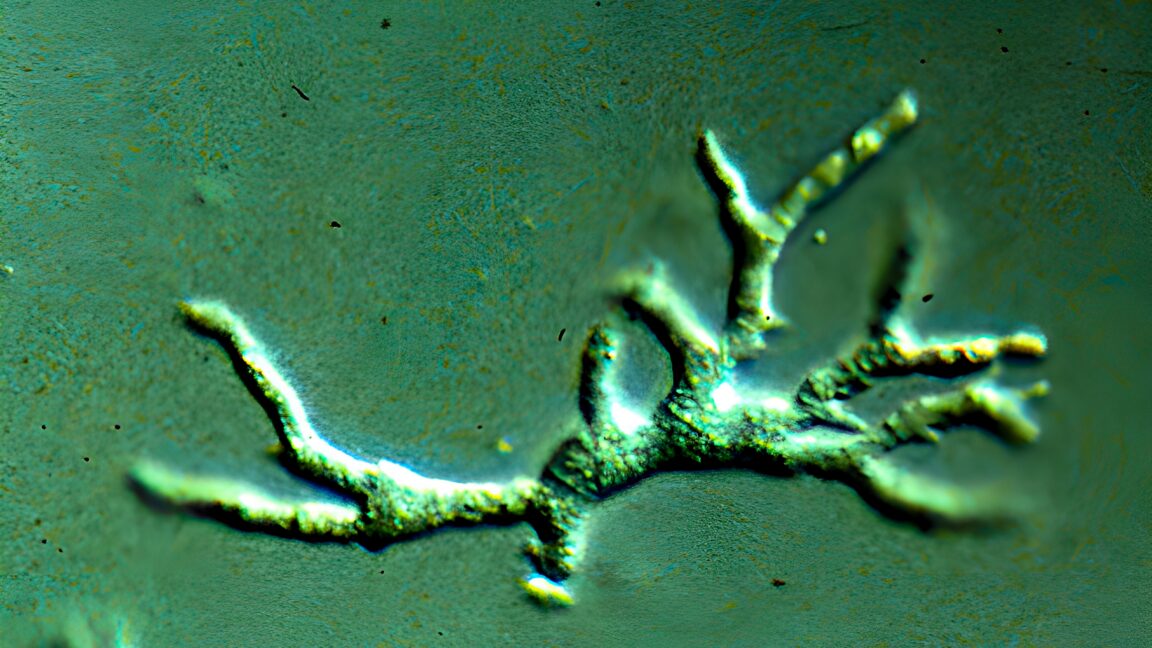
Doctors at Seattle Children's Hospital have published a case report in BMJ Case Reports describing how a rare and often fatal brain infection went undiagnosed in a young boy for more than a month, ultimately proving fatal. The child's parents agreed to share his story in hopes it helps identify future cases earlier.
The illness began with vomiting, lethargy, and weakness on one side of his body, later progressing to headache, fever, and difficulty swallowing, with episodes of unresponsiveness and breathing pauses. The cause was Balamuthia mandrillaris, a free-living amoeba first identified in 1986 after it killed a monkey at the San Diego Zoo. Since then, roughly 200 human cases have been recorded worldwide, about 90 percent of them fatal.
A misleading diagnosis
A CT scan revealed bleeding in the boy's brain, requiring a shunt, and further imaging showed some blocked or narrowed arteries — a finding not previously reported in amoeba infections. Doctors diagnosed him with childhood Takayasu arteritis, a rare inflammatory vascular condition, and started immunosuppressive treatment. His symptoms improved, and he was discharged after about two weeks.
A week later he returned with vomiting but was sent home again after tests showed his shunt was functioning. Two days after that, with fever, lethargy, headache, and swallowing trouble, he was readmitted, and his condition deteriorated rapidly. He required intubation and, by day 28 of his illness, became unresponsive. Only on day 30, after a brain biopsy and genetic testing of his cerebrospinal fluid, did doctors identify the amoeba. By then the brain damage was irreversible, and his parents chose to withdraw life support.
Lessons for future cases
The doctors note that some of the boy's symptoms did not fit Takayasu arteritis and caution against settling on a diagnosis too early, urging colleagues to consider B. mandrillaris in atypical vasculitis cases. They also acknowledge that the immunosuppressive drugs, while initially seeming to help, may have made it easier for the amoeba to spread through his brain. Their recommendation is to test cerebrospinal fluid for infectious organisms before starting or escalating immunosuppressive therapy.
B. mandrillaris lives in soil and water, mostly in warmer regions, and people can become infected by inhaling contaminated dust or through wounds exposed to soil or water. Both immunocompromised and otherwise healthy people, like this toddler, can be affected.