Poet Māra Zālīte voices concern over tone of current election campaign
Latvian poet Māra Zālīte has shared concerns on social media about the current pre-election period ahead of the 15th Saeima elections, criticizing both the cynicism of anti-state parties and voters' lenient attitude toward questionable candidates. She also pointed to the role of social media algorithms in amplifying negativity.
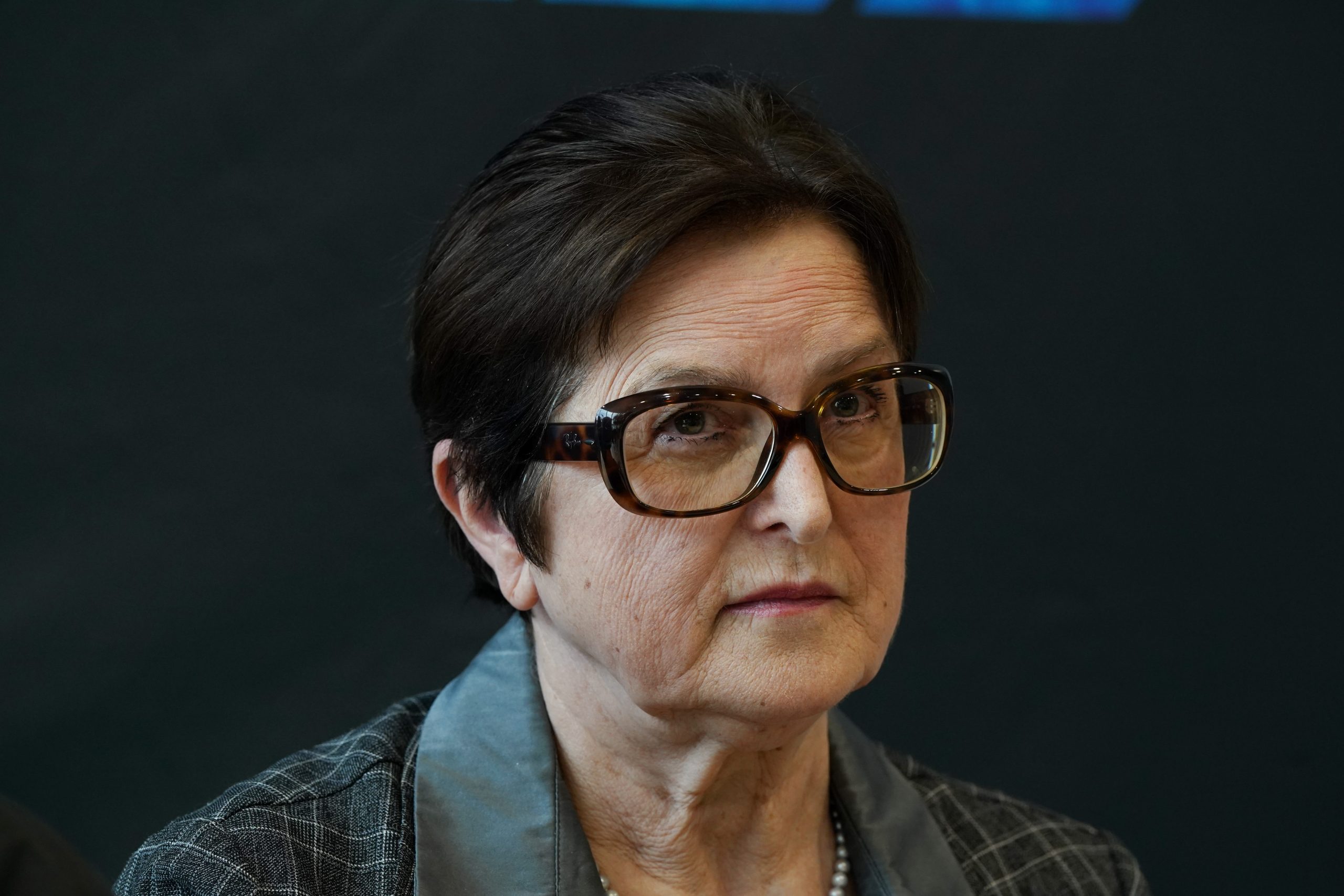
Latvian poet Māra Zālīte has published a fragment of her interview with the magazine “Mājas Viesis” on her social media accounts, sharing reflections on the current pre-election period ahead of the 15th Saeima elections.
Zālīte says she feels unease and concern, noting that anti-state parties have never before ranked so high in opinion polls — a situation she describes as unnatural. She adds that the public rhetoric of these parties' representatives has reached an unprecedented level of cynicism. According to the poet, even small populist parties that know they will not clear the 5% threshold are acting selfishly, disregarding the effect their campaigns have on wasting voters' ballots.
Concerns about voter attitudes
Zālīte also expresses bewilderment at voters' own behavior, noting that many have no objection to supporting candidates with criminal records, whether convicted or merely charged. In her view, the moral threshold and level of scrutiny applied to candidates by much of society remains very low.
She attributes part of this dynamic to the influence of social media. According to the poet, the underlying logic of media and algorithms is that bad news generates the most engagement, which is why platform owners design their algorithms to favor negative content — generating more advertising revenue in the process. This system, she says, reinforces itself, continually producing new sources of negativity.
A pervasive sense that "everything is bad"
Zālīte concludes that the result is a widespread feeling that everything is bad — a trend not limited to social media alone. She also criticizes journalists who, in debate formats, in her view turn candidates into figures of ridicule, noting that even public broadcasters funded by state money engage in this practice. The poet describes the situation as a vicious cycle in which everyone feels pressured to adapt to an aggressive, primitive style of communication simply to be noticed.
Zālīte offers no quick fix, but expresses hope that society will gradually come to recognize that this state of affairs cannot continue.


