Latvijas Dzelzceļš Sells Off Assets as Freight Volumes Keep Falling
Latvia's state-owned railway company Latvijas Dzelzceļš has announced a series of asset sales in October, as rail freight in nine months fell 12.5% to 5.9 million tonnes. The decline raises questions about the future of the company and the country's transit infrastructure.
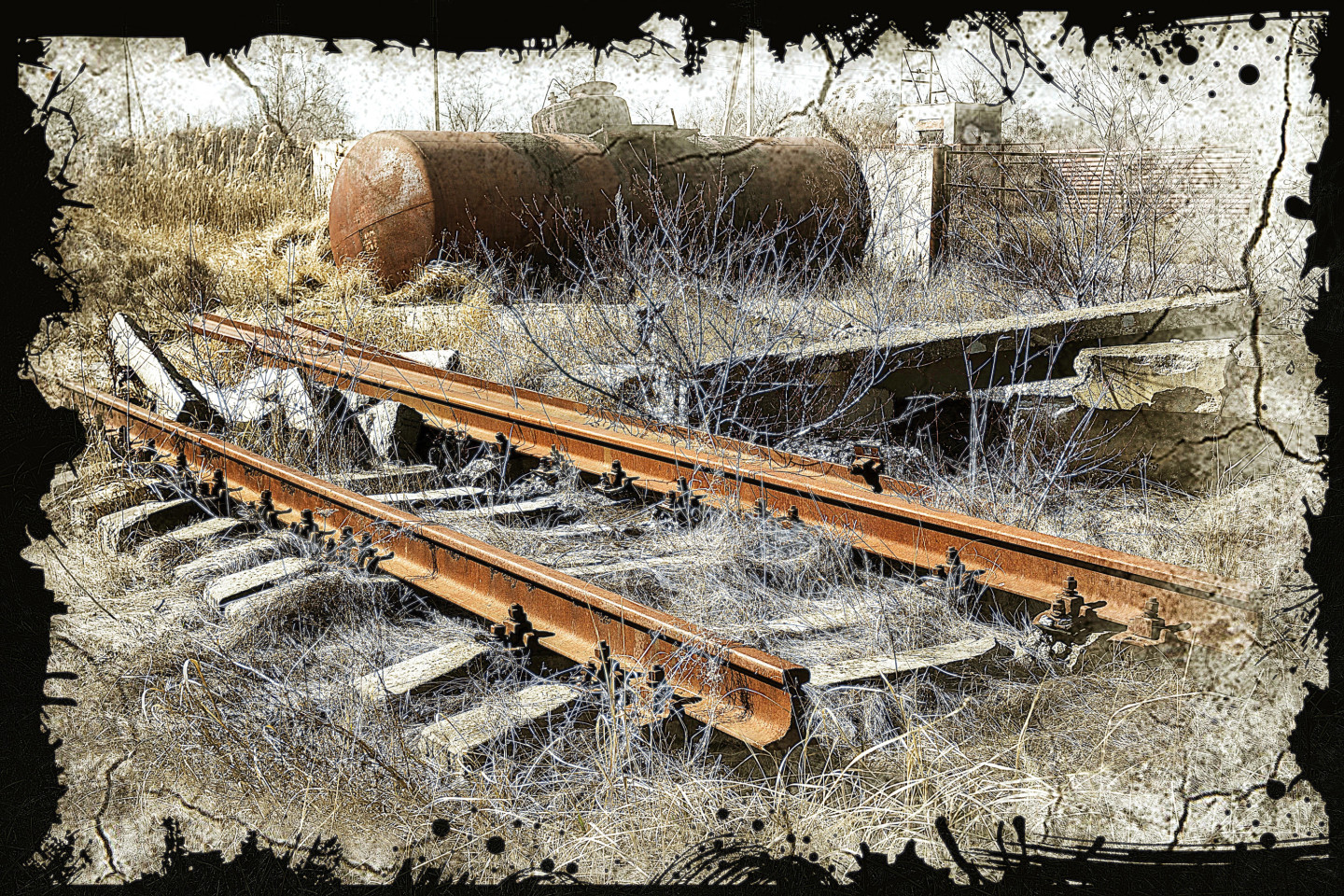
Latvijas Dzelzceļš (LDz), Latvia's state-owned railway company, is selling a considerable share of its assets in October 2026 to offset part of the revenue lost as freight volumes shrink. The sales illustrate how difficult the position of Latvia's transit sector has become.
At the start of the month, LDz subsidiary LDz Cargo announced the sale of 965 tonnes of ferrous and non-ferrous scrap metal. Offers followed for 47 used containers (4 October), five cranes (10 October) and 28 used covered freight wagons (18 October). On 12 October, LDz itself announced the sale of four properties in Riga and Daugavpils.
Freight volumes keep shrinking
On 17 October, the Ministry of Transport reported that 5.857 million tonnes of cargo were carried by rail in the first nine months of this year, 12.5% less than a year earlier. International shipments fell 17% to 4.4 million tonnes, while domestic shipments rose 4.8% to 1.434 million tonnes.
Freight volumes have been declining since 2019, with a brief rise in 2022. The nine-month total was 36.1 million tonnes in 2018 and 6.7 million in 2025. Full-year volume in 2018 reached 49.3 million tonnes.
State support and decisions ahead
LDz's main source of funds is the state, including a subsidy known as the balancing payment. The article's author argues that the government led by Prime Minister Andris Kulbergs must decide what to do with the company. One option he mentions is downgrading LDz to a division of the state-owned "Pasažieru vilciens" (passenger train) company, should Latvia give up freight from the east.
On 13 October the government decided to allocate funding so that rail sections from Latvia's eastern border towns to the Russian and Belarusian borders could be dismantled quickly if necessary. Port cargo volumes in nine months fell 9.7% to 23.1 million tonnes.
A Ministry of Transport report, noted by the government on 4 September, estimates that halting Russian grain transit would cost the sector about 290 million euros a year: 40 million for LDz and 250 million for port companies. Kulbergs has said he hopes the European Commission will give guidance on further action.