Kučinskis: Budget Outline Must Be Ready Before the New Government Is Confirmed
Finance Minister Māris Kučinskis said the main outline of the 2027 budget must be prepared before the new government is approved, to avoid starting the year with a technical budget. The Finance Ministry has drawn up three scenarios and five solutions for compiling the budget.
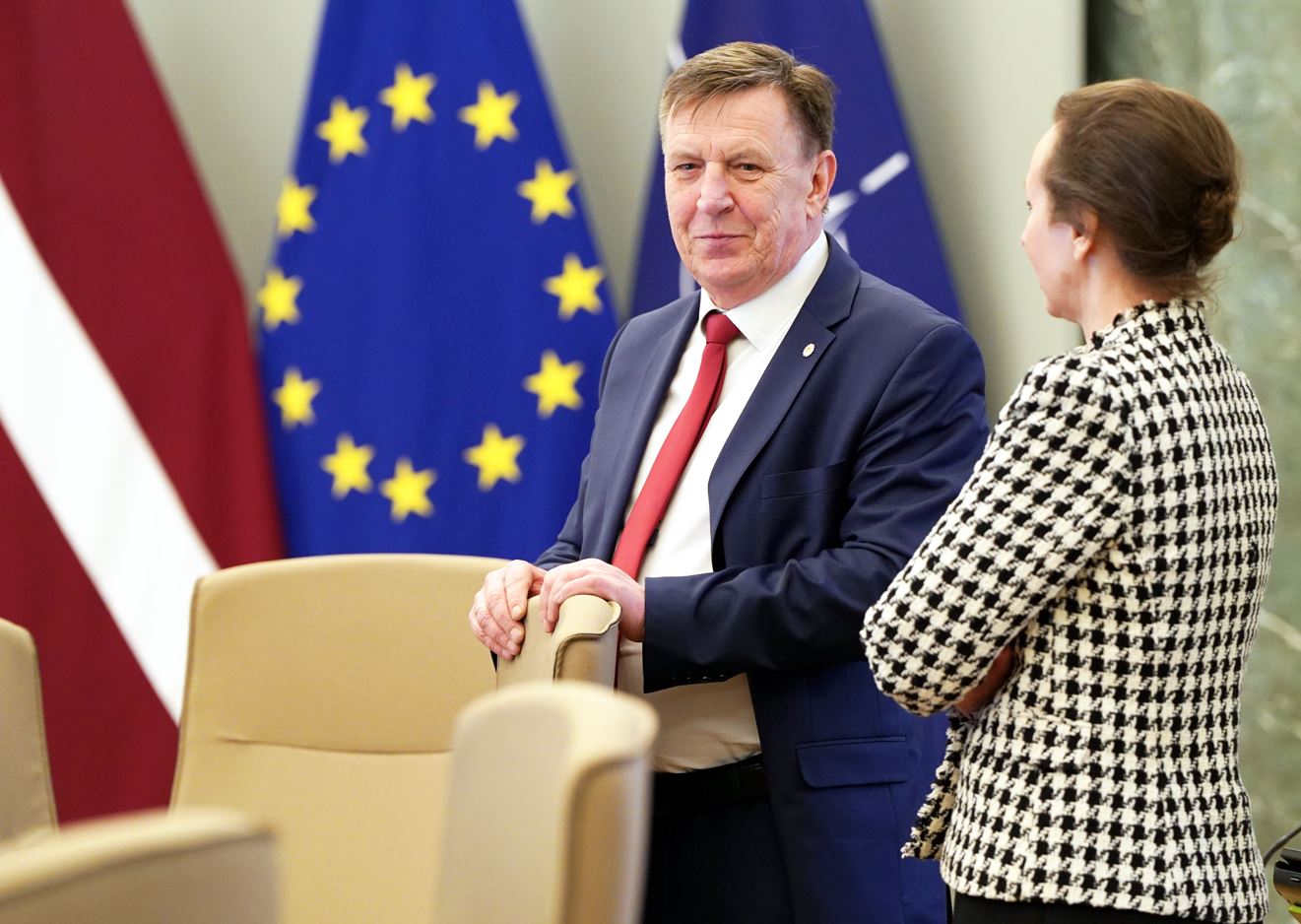
To avoid starting 2027 with a technical budget, the main outline of next year's budget must be ready even before the new government is confirmed. Finance Minister Māris Kučinskis (Progressives) said this on Thursday at a meeting of the National Tripartite Cooperation Council. In his words, the 15th Saeima should have a plan ready that can be approved swiftly once the government takes office.
Under the law, in an election year the draft state budget package must be submitted to the Saeima no later than four months after the newly elected parliament expresses confidence in the Cabinet. If confidence in the new Cabinet has not been expressed by mid-November, a temporary budget for 2027 will be prepared.
Fiscal outlook
In September, Kučinskis told members of the Saeima committee that under unchanged policy the deficit will exceed 3% of GDP over the next four years, while public debt will rise from 48% of GDP this year to 54% in 2029. Defence needs about 5% of GDP in 2030, while the permitted deficit exemption for defence ends in 2029. Interest costs are expected to reach about 681 million euros in 2027, and commitments made by previous governments without full funding will grow from 421 million euros in 2027 to 663 million in 2030. The share of tax revenue in GDP falls from 34.6% to 32.9%.
Three scenarios
The first scenario continues decisions that raise spending: unfunded additional expenditure would grow from 449 million euros to 1.599 billion in 2030, and debt and deficit would keep rising. The second funds defence at 5% of GDP; the negative fiscal space would widen from minus 28 million euros next year to 936 million in 2029, with debt stabilising around 54% of GDP. The third moves toward a balanced budget in 2030, with additional expenditure rising from 1.397 billion to 2.621 billion euros.
Five solutions
The Finance Ministry proposes reviewing earlier unfunded decisions, funding levels set in law, and expenditure, including baseline spending, which would be cut by 25%. The fourth solution concerns revenue, namely tax breaks and their collection, while the fifth covers a review of all public administration spending, including state-owned companies.
The ministry will propose that the government approve a fiscal stabilisation and reform plan for 2027–2030, and begin work on new tax policy guidelines after the budget is adopted.