Latvia toughens criminal penalties for serious environmental offences
Amendments to Latvia's Criminal Law took effect on 15 October, raising penalties for serious environmental crimes and transposing an EU directive. The harshest offences now carry up to 12 years in prison.
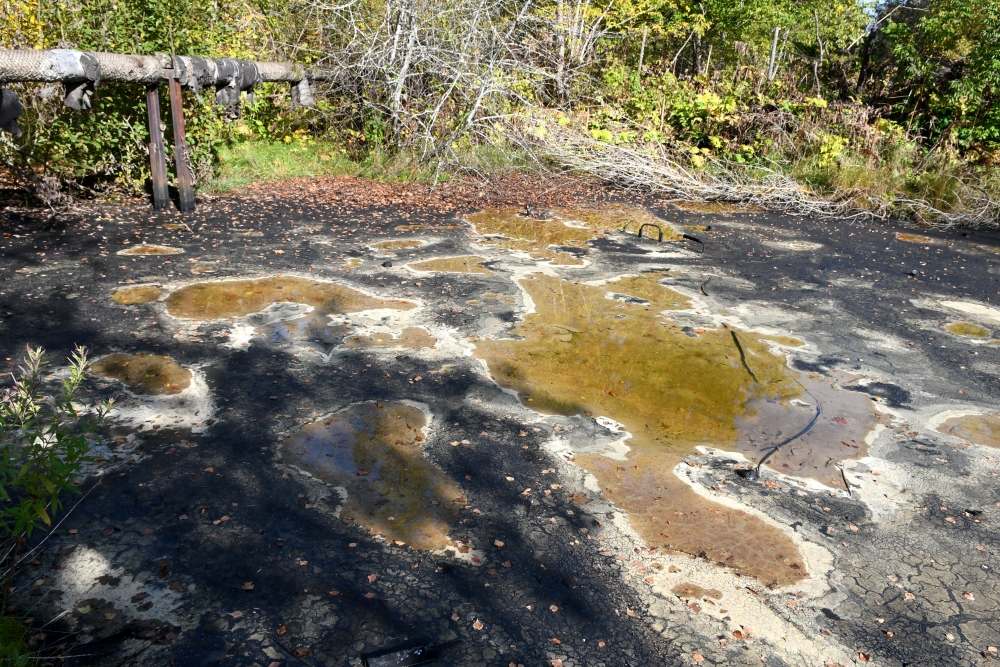
Amendments to Latvia's Criminal Law took effect on 15 October, significantly increasing penalties for serious crimes against the natural environment and clarifying when criminal liability applies. The changes implement European Union Directive 2024/1203 on the criminal-law protection of the environment. According to the explanatory note, the aim is to reduce the number of environmental offences and their harmful effects, and to ensure an effective response, including cross-border cooperation.
Tougher penalties
The Saeima, Latvia's parliament, says criminal liability now covers serious violations such as pollution, illegal activities involving hazardous substances, marine pollution and breaches of waste management rules. The most serious offences are punishable by imprisonment of up to eight, ten or, in some cases, twelve years. Such sentences will apply where irreversible environmental damage is caused, protected ecosystems are destroyed or other grave consequences occur.
For example, the maximum penalty for breaching rules on radioactive and chemical substances, where the violation causes the death of two or more people, has risen from ten to twelve years. For deliberate forest arson causing significant harm, the maximum has increased from three to five years.
New offences
Several new articles have been added to the Criminal Law. The following are now punishable:
- sending a ship for recycling at a facility where this is not legally permitted;
- illegally placing certain agricultural and forest products (cattle products, cocoa, coffee, palm oil, rubber, soy, timber) on the market on a significant scale;
- deliberately introducing or spreading invasive alien species, and other related activities, where significant harm results;
- deliberate actions without a legally required environmental impact assessment, where significant harm results.
Exemptions from liability
The amendments also set out cases where criminal liability does not apply. It will not be imposed on people who followed legal requirements and permit restrictions and did not knowingly harm protected species or their habitats. The explanatory note observes that, for example, forest management can unintentionally damage environmental assets, so criminal liability would be disproportionate. Similarly, people who work to limit the spread of invasive alien species may be exempted.