Fuel Shortages and Blackouts Grip Crimea as Ukraine Intensifies Strikes
Intensified Ukrainian attacks on supply routes and energy infrastructure have caused severe fuel shortages, blackouts, and water rationing in Crimea, disrupting daily life and crippling the tourism industry as the summer season begins.
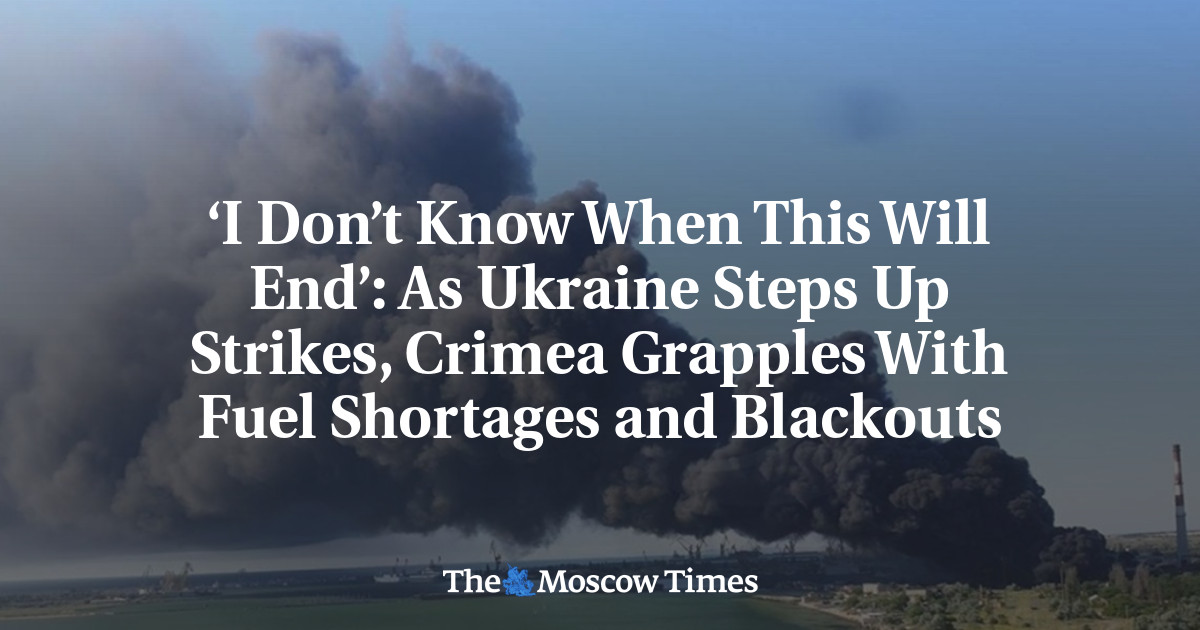
Residents of Russian-annexed Crimea are facing acute fuel shortages and frequent power and water cuts after Ukraine stepped up strikes on supply routes and infrastructure serving the peninsula, according to interviews with locals. Gasoline has become nearly unavailable for private drivers, with supplies reserved mainly for emergency services and businesses with contracts.
In Sevastopol, authorities have tightened restrictions repeatedly: from cash-only sales to prepaid fuel cards, and now a limit of 20 liters per week via QR codes distributed through the state-backed app Max. Resident Olesya said she and friends spent hours trying to obtain a code but failed. Mikhail from Simferopol drove nearly a full day to Krasnodar to bring back fuel, but gas stations in southern Russia refused to sell to cars with Crimean plates, telling him fuel was only for locals.
The fuel crisis coincides with Ukrainian drone strikes on power facilities, causing rolling blackouts. Diesel shortages have forced many cafes and shops to close, as generators are expensive to run. Power outages also cause water shortages since pumping stations cannot operate. Yekaterina, a mother of two from Dzhankoy, said she cannot bathe or do laundry, and her children struggle to understand why they can't watch cartoons.
A state of emergency has been declared by Kremlin-appointed heads Sergei Aksyonov and Mikhail Razvozhayev. The tourism industry, a key economic driver, is suffering as hotels and guesthouses report a surge in cancellations. Maxim, who rents out a cottage near Yalta, fears he cannot recover his renovation costs because even local tourists have stopped coming.
The fuel shortage has spawned a black market, with gasoline sold at up to 350 rubles per liter, versus 80 rubles before the crisis. However, residents say many sellers appear to be scammers.


