What the world's oldest telecommunications company looks like today
British telecom group BT traces its family tree back to a telegraph company founded in 1846, though it reached its current form through numerous mergers and reorganizations. Today BT is a broad broadband, mobile and network infrastructure group built around its Openreach infrastructure arm.
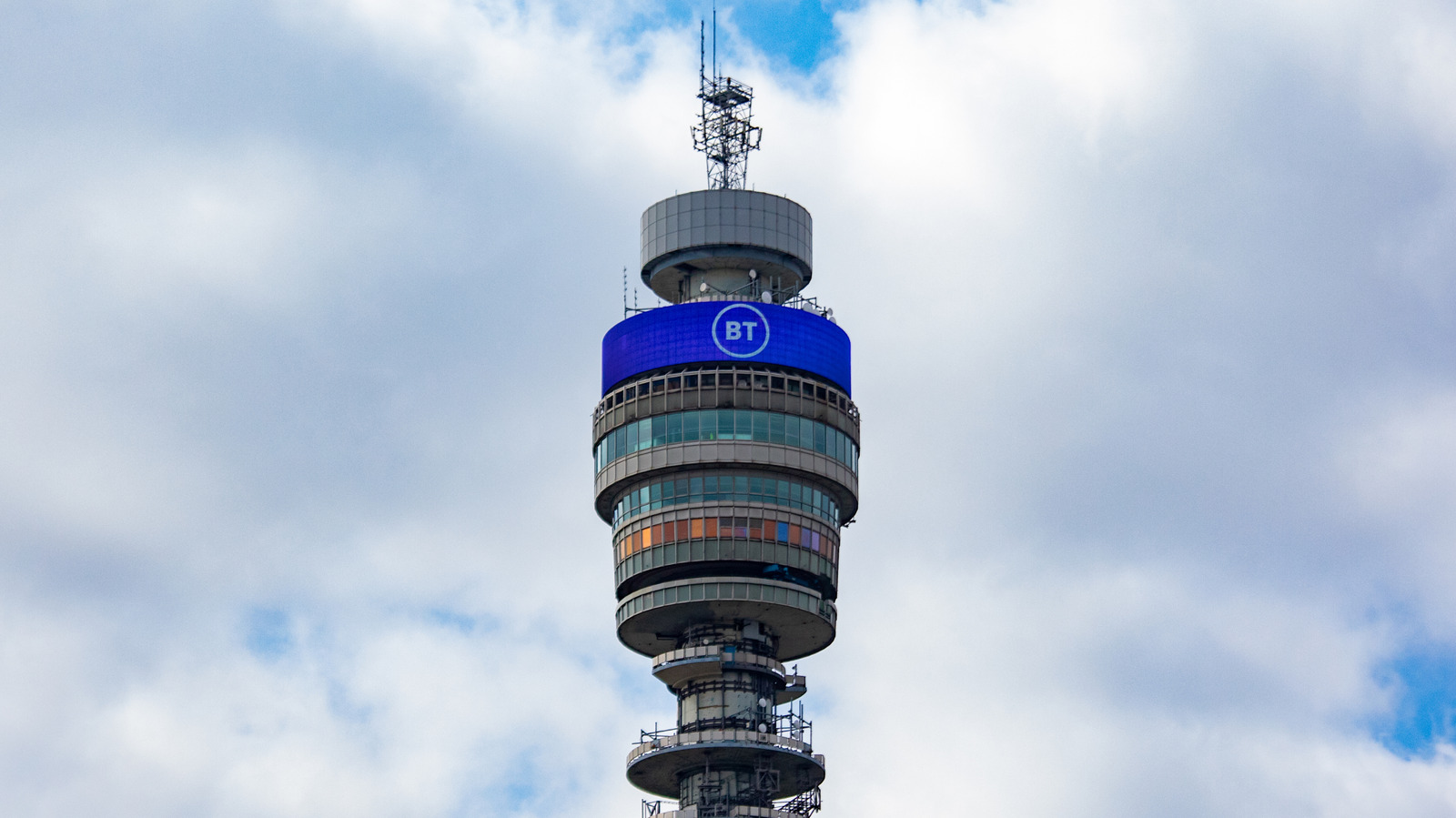
BT Group's roots go back to 1846, when William Fothergill Cooke and John Lewis Ricardo founded the Electric Telegraph Company to commercialize electric telegraph technology developed by Cooke and Charles Wheatstone. That company merged with the International Telegraph Company in 1855, and was taken over by the General Post Office in 1870. So BT's claim to 1846 runs through its corporate family tree rather than one company surviving intact for nearly two centuries.
Other European telecom companies can point to similarly long histories. Sweden's Telia traces its origins to a state telegraph agency founded in 1853, Telecom Egypt points to a first telegraph line from 1854, and Norway's Telenor dates to the Norwegian Telegraph Administration of 1855. France goes back further still, with a state-run optical telegraph network dating to 1794. In every case, though, the history runs through government agencies and reorganizations, making it hard to crown a single "world's oldest" telecom company.
From telegraph to privatization
In 1868, the British Parliament debated buying up telegraph companies and placing them under the Post Office. Despite objections, private telegraph systems were consolidated under state control, and the Electric and International Telegraph Company joined the Post Office network in 1870. Telephone infrastructure followed a similar path: the National Telephone Company was absorbed into the Post Office system in 1912, Post Office Telecommunications became British Telecom in 1980, and privatization began in 1984 when the government sold a majority stake in the newly formed BT plc.
BT today
Modern BT operates several familiar consumer brands, including BT itself, EE and Plusnet, alongside Openreach, which maintains the copper and fiber network and provides access to it for hundreds of other communications companies. Openreach is legally separate from BT, with its own management, though BT Group still owns it outright. BT completed its acquisition of EE in 2016, gaining what was then the UK's largest mobile network, and EE's 5G+ network now reaches 77 percent of the UK population. In 2026, BT relaunched BT Mobile for its broadband customers. As of June 30, Openreach's full-fiber network covered 23.4 million premises, with 9.4 million connected.