Why this outdated DVI standard still works with modern displays
DVI, the bulky connector once standard on computers and monitors, still turns up in older office equipment and retail kiosks, and can be hooked up to modern HDMI screens with a simple adapter. But the standard carries real limitations compared to HDMI and DisplayPort.
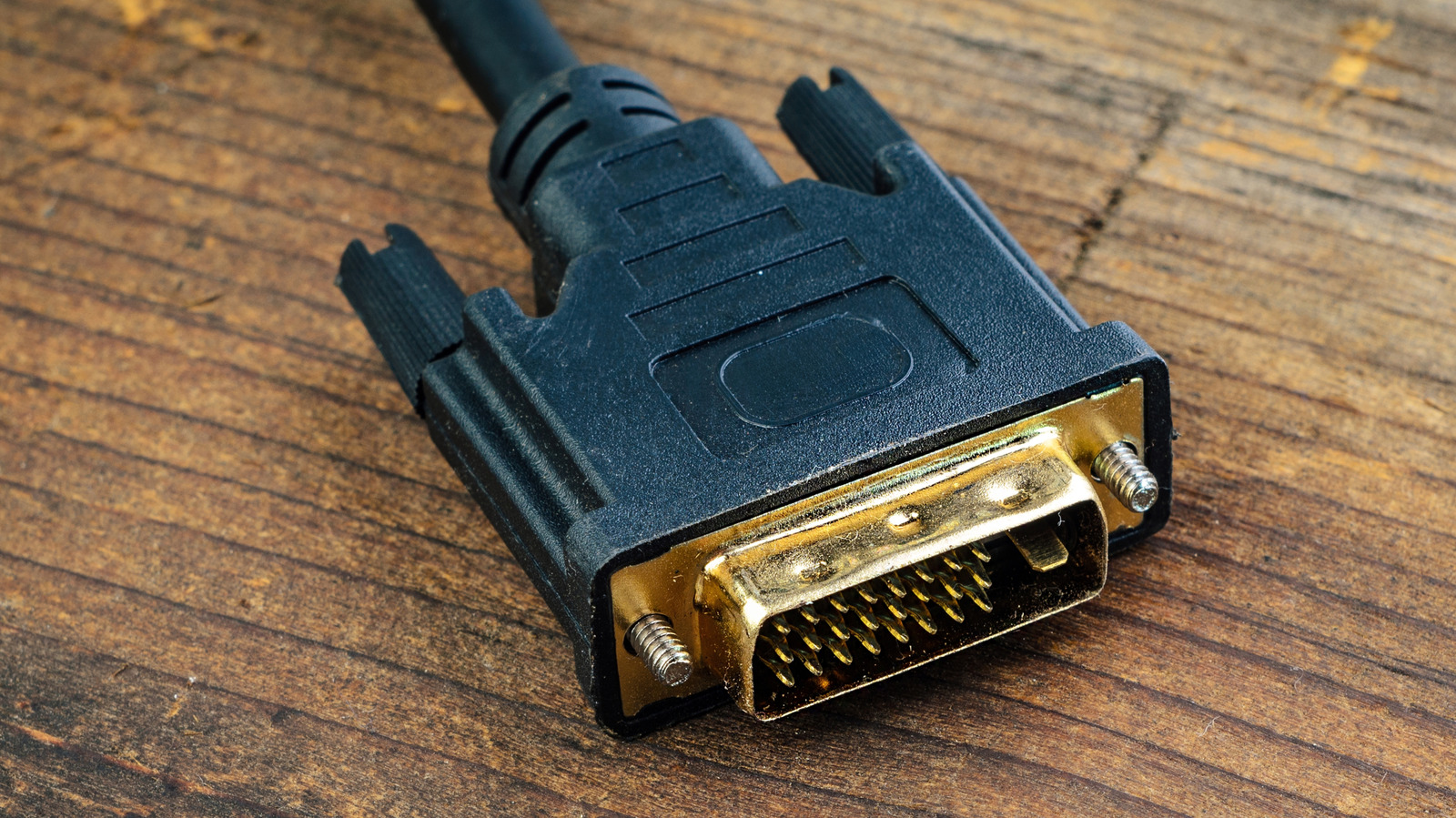
The DVI (Digital Visual Interface) connector first appeared on products like Apple's Cinema Display in 1999 and served as an industry standard for several years before HDMI and DisplayPort took over. Because of its bulky port size, it's now rare on consumer devices, but it still shows up in older PC setups, office projectors running a mix of legacy and modern gear, and even some retail kiosk displays.
Connecting to HDMI
DVI-D and DVI-I versions can be connected to an HDMI port using an inexpensive adapter that needs no external power or conversion chip, since both standards share the same digital video protocol. Dual Link versions support noticeably higher resolutions than standard ones. The one exception is the analog DVI-A standard, which requires active conversion, though this version was rarely used in practice.
If a device already has an HDMI or DisplayPort connection, it's better to use that directly, since these standards offer greater bandwidth and multi-channel audio support. The latest HDMI 2.2 specification supports resolutions up to 16K, high dynamic range, and improved audio-video synchronization, while DisplayPort 2.1b allows daisy-chaining multiple monitors together.
Drawbacks of DVI
DVI comes with several notable limitations. It doesn't carry audio, so a separate sound solution is needed. On resolution, a Dual Link DVI port tops out at 2,560 x 1,600 at 60Hz, while a single-link port maxes out at 1,920 x 1,200. Higher resolutions are technically possible but require dropping the refresh rate, which hurts the experience. The connector itself, secured with screws, is also awkward and complicates cable management. Still, if DVI is the only option available, a basic adapter is enough to link it to a modern HDMI display.