Do You Actually Need a Separate Amplifier for Your Sound System?
Experts note that while amplifiers play a crucial role in sound systems, most households already have them built into active speakers or receivers, making a standalone unit unnecessary in many cases.
Audio retailers sell countless add-ons promising better sound, including gold-plated cables whose benefit to digital signals is questionable. Amplifiers, however, are one device worth taking seriously, whether for a home theater or a dedicated music setup.
Why amplifiers matter
Most audio signals aren't strong enough to be heard clearly on their own. A turntable with disabled speakers, for instance, only produces a faint "needle talk" sound from the stylus running along the grooves. To make a signal audible, it needs amplification matched to a speaker's power and impedance ratings, measured in watts and ohms.
Beyond raising volume, quality amplifiers let users adjust gain and shape sound through an equalizer, which helps avoid distortion or hardware damage. Preamps, meanwhile, raise a signal to line level but still require a separate amp to actually power speakers.
When you don't need one
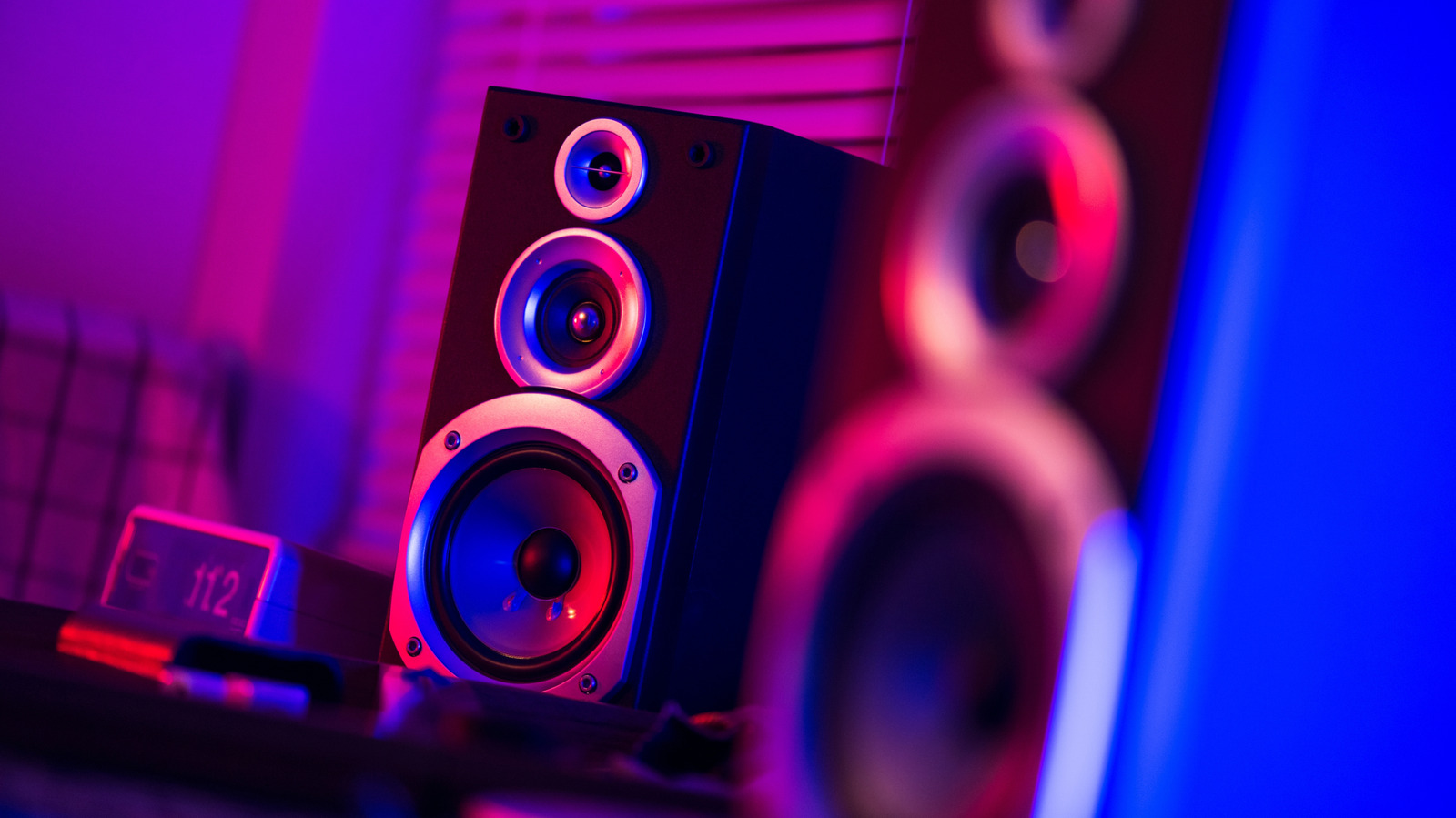
Many consumer speakers are "active," meaning they already contain a built-in amplifier, identifiable by their individual power cords. Receivers typically combine both amp and preamp functions in one unit. A standalone amplifier becomes necessary mainly for demanding setups, such as elaborate Dolby Atmos configurations with more channels than a receiver can power.
Most buyers are better served by solid-state amps rather than tube models. Tube amps produce a "warmer" sound and have visual appeal, but typically output 50 watts or less, making them impractical for surround-sound systems, and they require ongoing maintenance as tubes wear out.
Often, more affordable upgrades deliver better results: improving the speakers themselves, adding rear or side channels, using acoustic panels to reduce reverb, or simply moving speakers away from walls. Smart speakers with automatic room calibration should also have that process rerun after any significant change to a room's layout. In short, unless a setup involves a high-end multi-channel home theater, an extra amplifier is often unnecessary.