Insects do far more than feed vertebrates, new research shows
A new study in Nature Reviews Biodiversity finds insects provide vertebrates with protection, shelter and sanitation, not just food. Researchers say insect conservation should become a top priority in addressing the biodiversity crisis.
A new study published Wednesday in Nature Reviews Biodiversity shows that insects play a far broader role in vertebrate life than previously recognized. The research was led by Eliza Grames, an assistant professor of biological sciences at Binghamton University in the United States.
Nearly three-quarters of terrestrial and freshwater vertebrates eat invertebrates, with insects often forming a large share of their diet. But the study emphasizes that the relationship between insects and other animals extends well beyond predator and prey.
Protection, shelter and sanitation
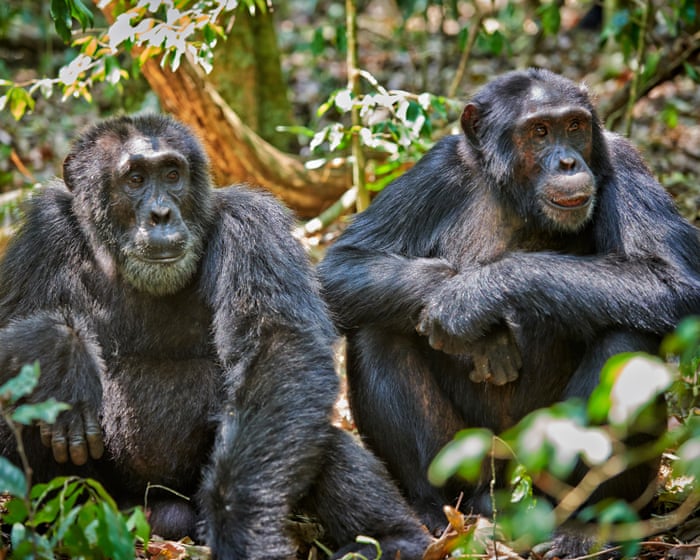
Chimpanzees have been observed applying insects to treat open wounds, while more than 200 bird species use ants to remove parasites or maintain their feathers. Some birds nest near wasps, likely seeking protection from predators.
Insects also provide shelter. Birds, reptiles and mammals use termite mounds and ant nests, which offer stable temperature and humidity. White-throated round-eared bats excavate cavities in termite mounds to use as roosts.
Dung beetles clean up animal waste, making it drier and better aerated, which reduces parasite survival. Moths living in some bird nests consume feces, feathers and other debris — functions insects have performed, according to the researchers, since the age of dinosaurs.
The study cites further examples: beetles remove external parasites from rodents and snakes, snakes gain defensive toxins by feeding on firefly larvae, and sloths benefit from moths that deposit nitrogen in their fur, spurring algal growth that the sloths then eat.
A call to prioritize insect conservation
Grames said the findings should serve as a wake-up call for anyone concerned about the biodiversity crisis, since protecting insects would benefit many other species. She also pointed to insects' role in addressing the climate crisis, noting they decompose about 30% of the world's leaf litter and dead wood and help forests regenerate by dispersing seeds.
Co-author Chris Elphick of the University of Connecticut said a lack of natural history research makes it hard to understand how changes in insect biodiversity affect other species, but effective conservation strategies for vertebrates must account for insect conservation as well.