New study: life on Earth could persist for another 1.8 billion years
Scientists using complex climate models estimate that life on Earth could theoretically continue for about 1.8 billion more years, longer than many earlier forecasts suggested. Researchers stress the figures are only rough estimates, as future scenarios could turn out far more complex.
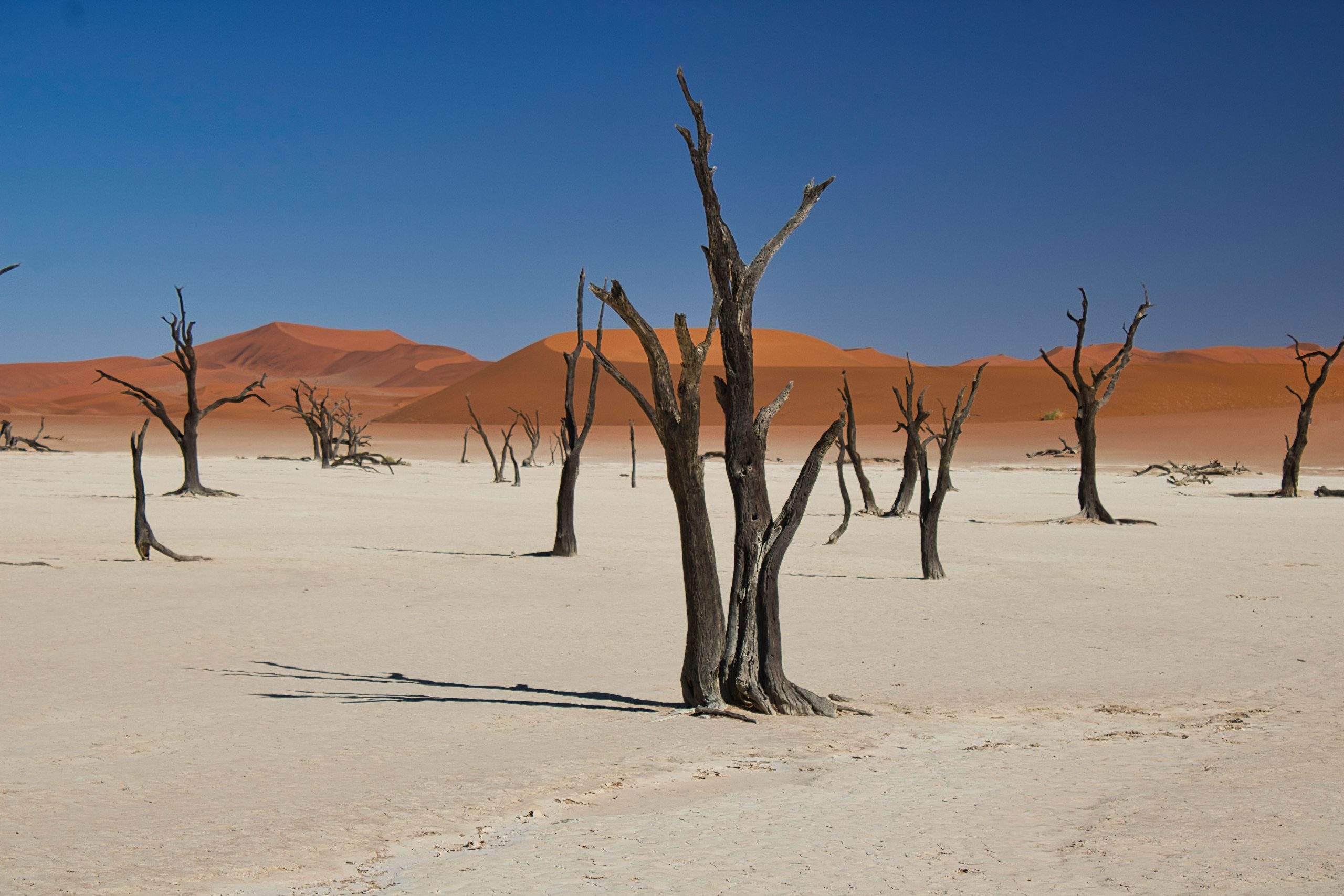
A new study using dozens of sophisticated climate models suggests that life on Earth could theoretically persist for roughly another 1.8 billion years. According to Livescience.com, this is notably longer than many previous estimates, though researchers caution the number is only an approximate forecast rather than a precise deadline.
The Sun's growing brightness
The study revisits a long-known factor: the Sun is gradually growing brighter, currently radiating more energy than at any previous point in Earth's history, and this trend will continue. Over billions of years, it will significantly reshape the planet's climate and water cycle.
One key risk factor is rising temperatures, which will disrupt photosynthesis — the process that sustains most life on Earth. Once plants can no longer photosynthesize effectively, the food chains that support life would collapse.
Carbon dioxide as a hidden constraint
An additional threat comes from declining carbon dioxide (CO₂) levels in the atmosphere. While CO₂ is essential for plants, the planet's natural long-term "thermostat" — the carbon cycle between the atmosphere and rocks — can gradually reduce its availability, potentially depriving plants of a substance vital for growth and survival.
The biosphere may be more resilient than thought
By analyzing multiple scenarios, including excessive heating and CO₂ scarcity, researchers found that part of Earth's biosphere could survive longer than previously believed. This resilience could come from plants capable of adapting to lower CO₂ levels or using alternative forms of photosynthesis.
Scientists emphasize that these calculations are not final. Over billions of years, life could evolve and adapt to conditions that are currently hard to even predict. So while the model offers a rough timeframe for life on Earth, the actual future could turn out either more optimistic or entirely different from current assumptions.