F1 reaches agreement on new 3.0-litre V8 turbo engines from 2029 or 2030
Formula 1's leadership and engine manufacturers have agreed on the framework for the next technical cycle, planning a return to simpler and lighter 3.0-litre V8 turbo engines. The new rules could take effect in 2029 or 2030.
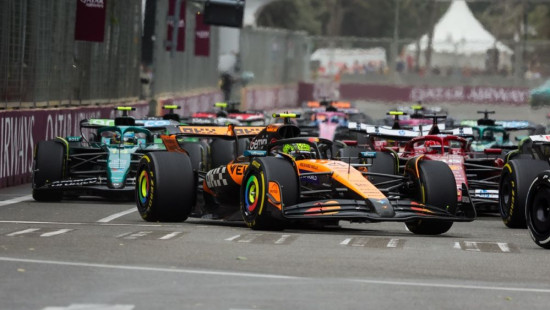
Formula 1's leadership and engine manufacturers have reached agreement on the basic framework for the sport's next technical regulations, marking a significant shift after years dominated by hybrid technology in racing engines. The changes could be introduced for the 2029 or 2030 season.
A return to simplicity
After years focused on technological complexity and electrification, the sport is now planning a move toward a 3.0-litre V8 turbo engine concept. During discussions, the possibility of returning fully to naturally aspirated engines was also considered, which would recreate the sound fans remember from early-2000s racing. However, this idea was dropped due to environmental and infrastructure requirements. Street circuits such as Melbourne, Miami, Madrid, Singapore, Baku and Las Vegas enforce strict noise limits that naturally aspirated V8 engines would be unable to meet, risking legal problems and potentially threatening the continued presence of several races on the calendar.
As a compromise, it was decided to retain a small turbocharger, which would produce a louder and more appealing engine sound than the current generation while still complying with noise regulations on street circuits.
Simpler electrical systems and less weight
Electrification will not be abandoned entirely, but the electric motor's output will be reduced from the current 350 kilowatts to a much simpler 100-kilowatt unit, making the system less complex and less problematic for teams and drivers. Another ambitious goal is a weight reduction of at least 50 kilograms for the complete power unit compared to the current generation, which would improve the handling and dynamics of F1 cars.
Discussions are also continuing on a possible new overtaking-assist system that could replace the current DRS, working on a principle similar to IndyCar's push-to-pass, allowing drivers a temporary power boost at certain moments. A final agreement on all details between the FIA and manufacturers has yet to be reached, but the direction toward a simpler, more powerful and more traditional era of racing engines is already clear.