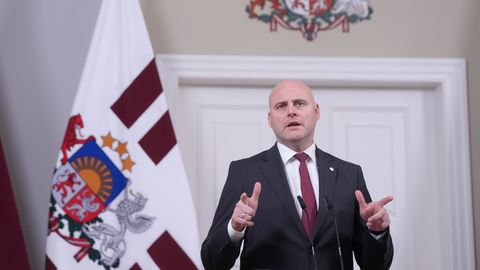
Lawyer Criticises Prosecutor's Office for Highlighting Profession in Press Release Headline
Sworn advocate Andris Tauriņš argues that Latvia's prosecution service unjustifiably stressed the defendant's profession when announcing a criminal case over fraudulently disposing of asbestos slate. He says the profession has no legal relevance in the case.
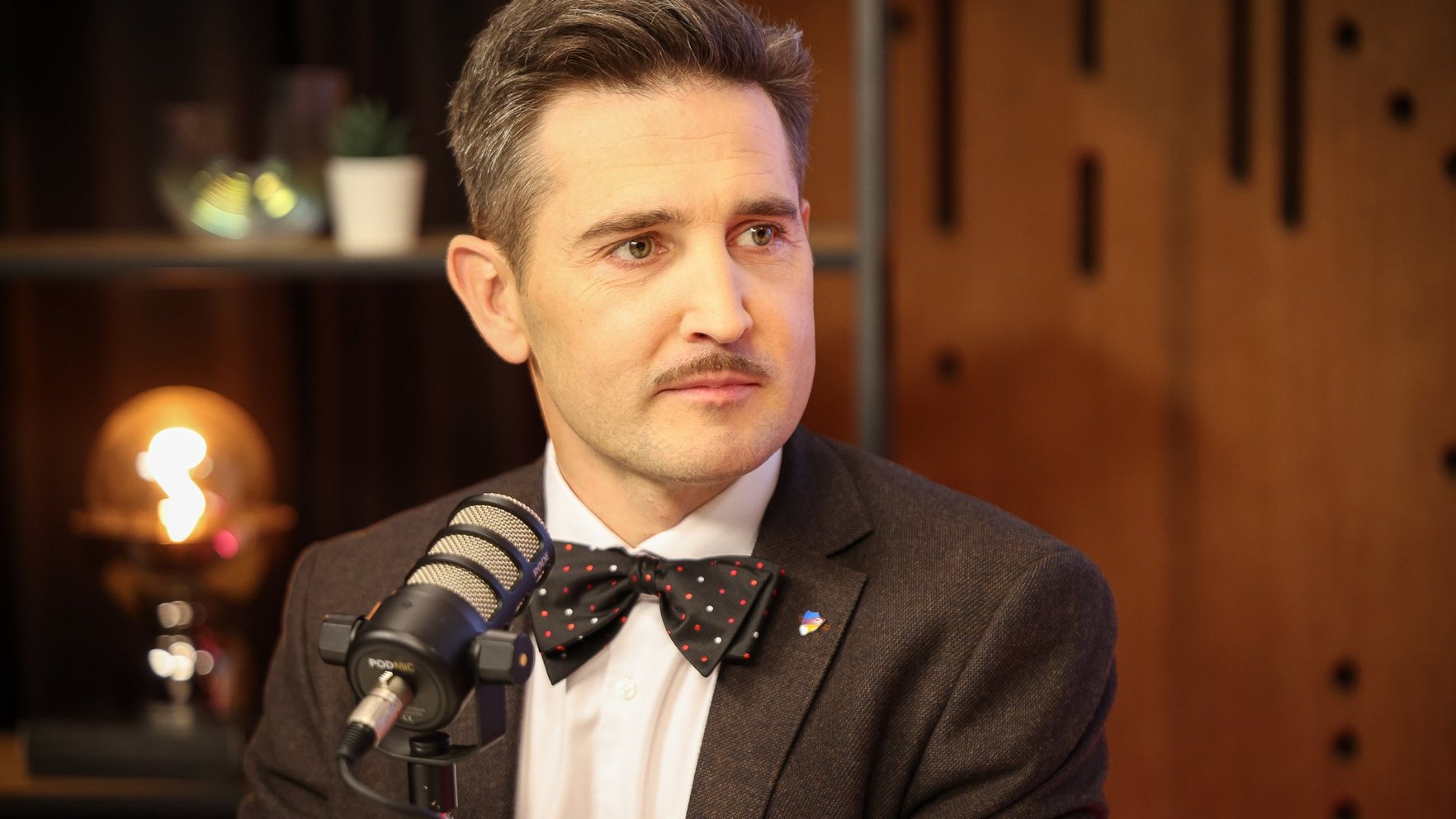
Andris Tauriņš, a sworn advocate at the law firm Sorainen, has criticised the Latvian Prosecutor's Office in an opinion piece published by the news portal Delfi, over how it announced sending a criminal case to court. In his view, the press release headline identified the defendant by profession rather than by the alleged offence, although the profession has no bearing on the case. The article is the author's opinion and may differ from the position of Delfi's editorial team.
What the defendant is accused of
According to the prosecution, the case involves a sworn advocate charged with fraudulently obtaining the right to hand over 2,720 kilograms of asbestos-containing slate roofing sheets free of charge, causing the Dobele municipality a financial loss of 1,197.90 euros. On 15 October 2026 the prosecutors published a press release whose headline said a sworn advocate was being tried over the fraudulent disposal of 2.7 tonnes of asbestos slate.
In September 2023 the defendant came to a waste sorting site in Dobele. Households whose roofs had been damaged in a storm in August 2023 were able to dispose of asbestos-containing slate there at no charge. The defendant did not own storm-damaged property in the municipality, but allegedly knowingly gave false information about the origin of the slate in order to avoid paying.
The author's arguments
Tauriņš says the offence is unrelated to an advocate's work. In his view, mentioning a profession is justified only when it helps explain the offence, for example when professional powers were used. He notes that Article 177 of the Criminal Law, which covers fraud, does not treat advocate status as a qualifying element, and that the profession is not listed as a mitigating or aggravating circumstance either.
The author acknowledges that society expects greater integrity from advocates, but says this does not justify highlighting the profession in every criminal case. He adds that the effect of private conduct on professional reputation can be assessed by the profession's self-governing bodies, and that an advocate need not receive especially lenient treatment, but the profession should not become grounds for additional public condemnation.