National Guard officer: Latvia's border defence needs multiple fortified lines, not just one
Armed Forces major Jānis Slaidiņš says a single defensive line along Latvia's eastern border would not be enough to stop a serious threat, arguing for a multi-layered system similar to Ukraine's approach.
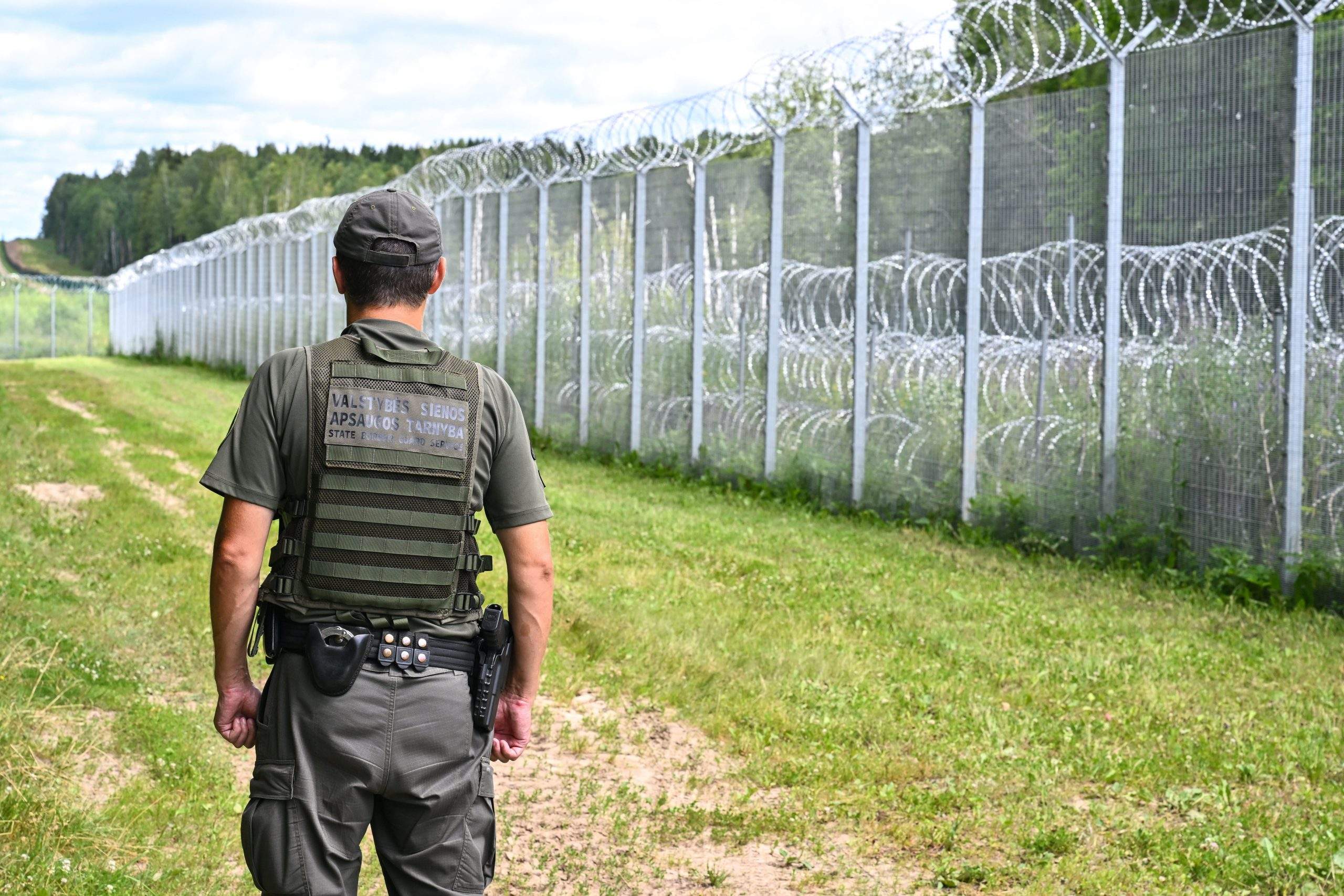
On TV24's programme on the war in Ukraine, Latvian National Armed Forces major and National Guard staff officer Jānis Slaidiņš explained why strengthening Latvia's border requires more than a single defensive line.
Anti-mobility measures
Asked about the concrete blocks and anti-tank obstacles being built near Latvia's border, Slaidiņš said these are part of so-called anti-mobility measures designed to slow down an adversary's vehicles and equipment. He stressed that such obstacles only work if they are covered by fire and combined with minefields.
The case for multiple lines
Slaidiņš said the biggest mistake would be relying on a single line of defence: if an enemy finds a weak point, breaks through and bypasses the obstacle, the rest of the line loses its purpose. A second, third and further lines, positioned in depth, are therefore necessary.
He pointed to historical examples, including the French defensive line and the so-called Stalin Line, both of which enemies managed to bypass, reducing their effectiveness. He also noted that Latvia's own historical defence plans relied on natural barriers such as the Aiviekste and Pededze rivers and Lake Lubāns, combined with multiple defensive positions.
Lessons from Ukraine
According to Slaidiņš, Ukraine currently applies a similar layered approach, using trenches, anti-tank ditches, so-called "dragon's teeth" and barbed wire alongside its fortifications. He said Ukraine's second and third lines of defence have already been built and are being continuously reinforced.