Your phone's USB-C port does far more than just charging
Modern smartphones' USB-C ports serve many purposes beyond charging, from powering other devices to connecting external displays and even medical equipment. The universal connector has turned phones into versatile multi-purpose tools.
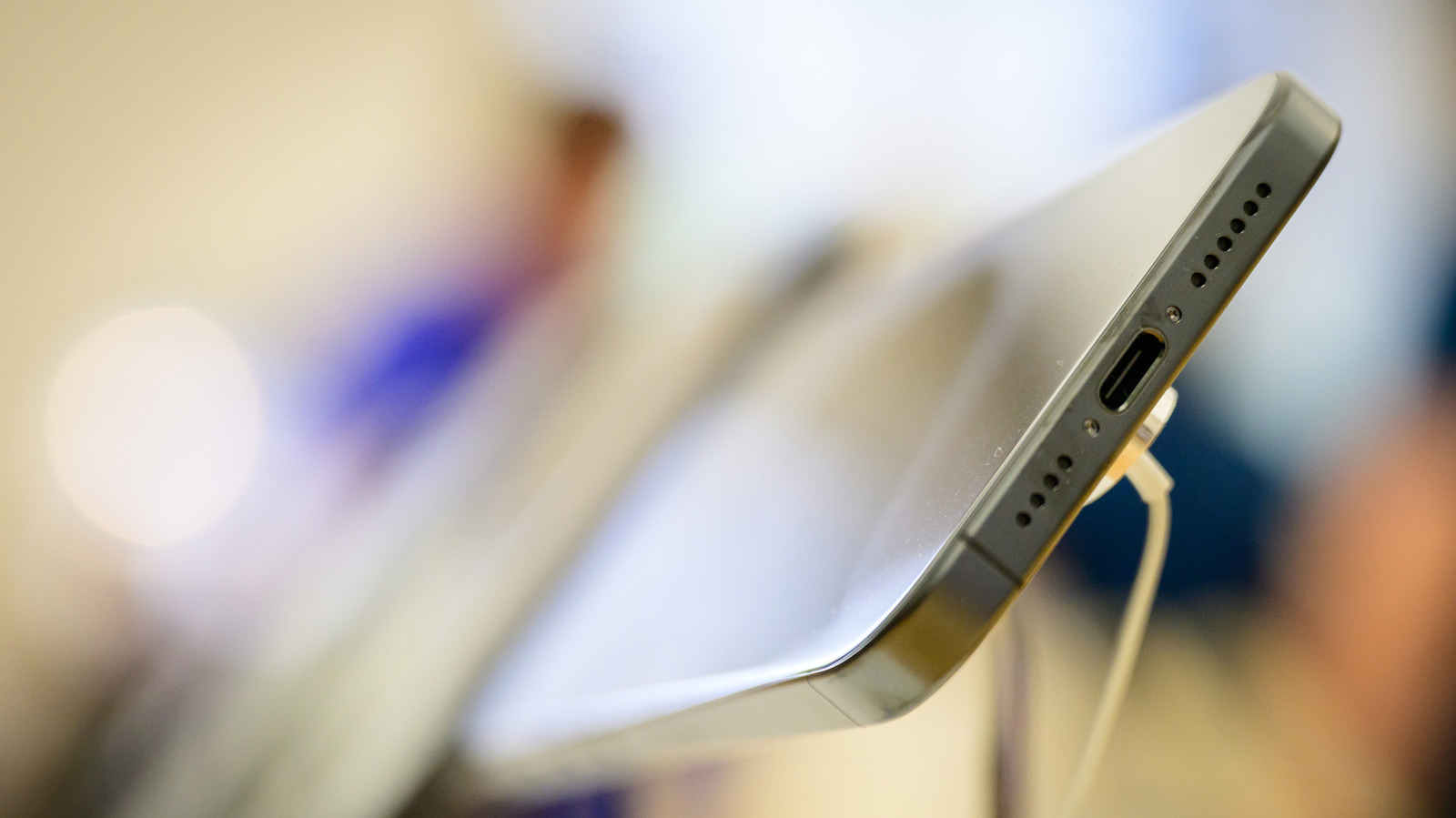
After years of Apple sticking with its Lightning connector while Android devices went their own way, the industry has finally settled on a common standard. Nearly every smartphone made this decade, regardless of manufacturer, now comes fitted with a USB-C port, which has also replaced the classic 3.5mm headphone jack.
This unified approach means the USB-C port can be used far more creatively than simply charging a device.
Charging and data transfer
A phone's USB-C port can charge more than just itself — it can also give power to another phone, wireless headphones or a smartwatch through a standard USB-C cable. The port can also connect a flash drive or a memory card reader, offering a convenient way to move large files, such as photos or videos, without relying on cloud storage.
Work and entertainment
A wired keyboard can be plugged into the USB-C port, turning a phone into a compact workstation, while connecting to an external monitor or television via a USB-C to HDMI adapter or a multi-port hub provides more screen space than any handheld device offers.
Content creators can benefit from plugging in dedicated microphones for higher-quality audio recording, while those who prefer wired sound can use headphones with USB-C cables or an adapter for older 3.5mm models.
For gaming, USB-C allows a wired controller connection with less latency than Bluetooth, including support for PlayStation and Xbox controllers, as well as devices like the Backbone One or Razer Kishi that turn a phone into a handheld gaming console.
Professional tools
The port can also power specialized equipment. Tradespeople such as plumbers and mechanics can use a phone-connected endoscope camera for quick inspections, while medical workers in remote areas with limited equipment can rely on smartphone-powered ultrasound devices to assist patients.