Middle East oil exports climb as war still disrupts Hormuz LNG traffic
Middle East crude exports hit their highest monthly level since the Iran war began seven months ago, though Qatari LNG shipments to Europe and Asia remain partly suspended.
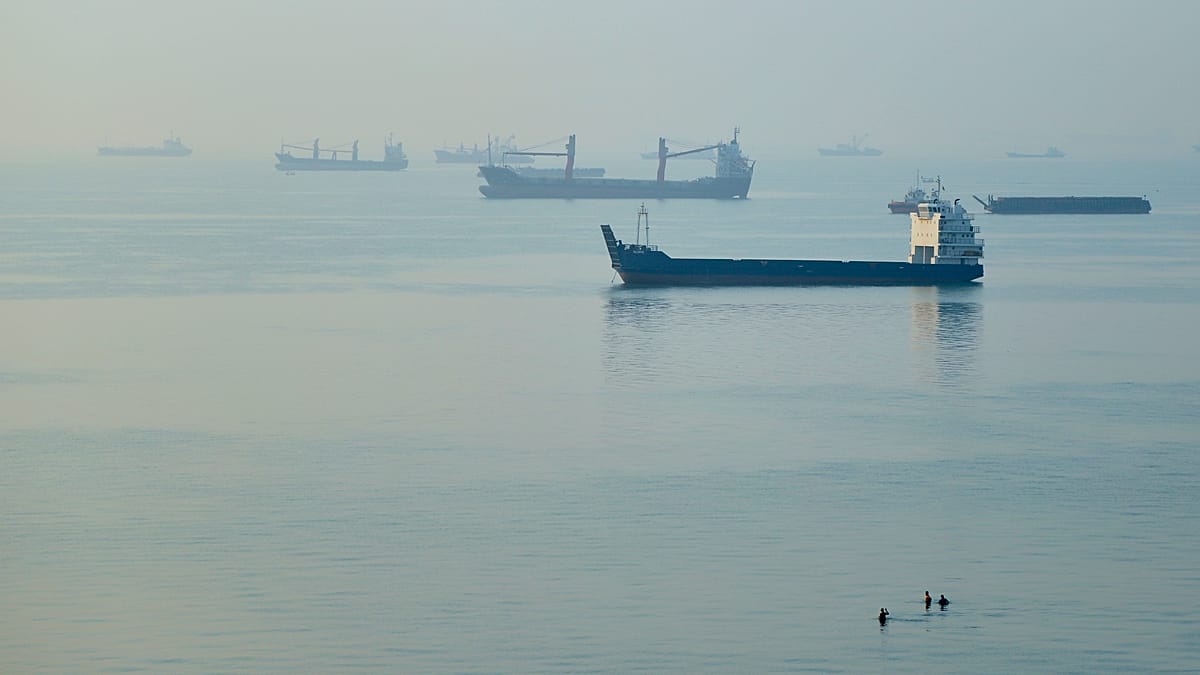
Preliminary figures from analytics firm Kpler show Middle East crude oil exports reached 16.3 million barrels a day in September, the highest since the US-Israel-Iran war began in February, though still roughly 3.2 million barrels below February's peak of 19.5 million. Saudi Arabia drove most of the increase, more than doubling its shipments from 2.45 million barrels a day in August to about 5.4 million in September, after rerouting additional crude through its Gulf terminals following attacks on its East-West pipeline to the Red Sea. Flows through the Strait of Hormuz were estimated at around 9.7 million barrels a day.
Several Qatar-linked LNG tankers crossed Hormuz this month after none were recorded in August, though shipments have not returned to normal. QatarEnergy has extended suspended deliveries to several customers in Europe and Asia. Italian energy company Edison said it had been notified that force majeure would be extended until early December, meaning six more cargoes due at Italy's Adriatic LNG terminal will not arrive. That takes the total number of missed cargoes since April to 35, of which Edison has replaced 23, mostly with US gas. Edison's 25-year supply deal with QatarEnergy covers 6.4 billion cubic metres of gas annually, about 10% of Italy's total consumption. Customers in Pakistan and Bangladesh have also been warned that suspensions will run through November.
The disruption traces back to joint US-Israeli strikes on Iran on 28 February that opened the war, after which both the US and Iran have targeted commercial vessels near the strait. On Saturday, President Trump rejected an Iranian offer, relayed through Qatari mediators, to reopen Hormuz and halt fighting within seven days. Iran's parliament speaker, Mohammad Bagher Ghalibaf, said no regional infrastructure would be safe unless Iran's security is guaranteed. Attacks on Qatar's Ras Laffan facility damaged two LNG production units, cutting capacity by about 17%; repairs are expected to take roughly three years, though the remaining 12 units could resume normal operations within weeks once safe passage through Hormuz is restored.

