Tartu scientists develop blood test to pinpoint genetic causes of pregnancy loss
Researchers at the University of Tartu are testing a blood-based method to determine the genetic cause of early pregnancy loss without tissue sampling. The approach could reach clinical practice within a few years.
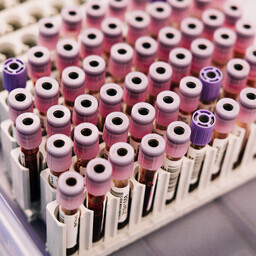
Scientists at the University of Tartu's Institute of Molecular and Cell Biology are developing a blood test designed to reveal why a pregnancy ended in loss. About two-thirds of pregnancies lost in the first trimester are caused by chromosomal errors. Until now, pinpointing the exact genetic cause required analyzing tissue from the pregnancy itself — a process that is emotionally and physically draining for patients, costly, and technically difficult, since samples can be contaminated with the mother's own cells, making a clear result impossible.
The project is led by Professor Ants Kurg, who explains that the new method relies on cell-free fetal DNA that enters the mother's bloodstream during pregnancy. Although present only in tiny amounts, this DNA can be analyzed, forming the basis of a broader field known as non-invasive prenatal testing. The challenge lies in detecting the scarce fetal DNA against the much larger background of the mother's own DNA.
A pilot study that concluded in August showed the blood-based method to be sufficiently accurate, with results largely matching those from tissue analysis.
A clear answer brings peace of mind
According to Kurg, identifying the precise genetic cause matters greatly to families who have experienced pregnancy loss, mainly because it relieves unwarranted guilt. If the test reveals a random chromosomal error, doctors can also be more confident that a future pregnancy is likely to succeed. If no such cause is found, further and more complex investigations are needed.
Three-year research project
To bring the method into everyday clinical use, the University of Tartu, together with its Women's Clinic and health-technology company Celvia CC, is launching a three-year applied research project this autumn, backed by the Estonian Business and Innovation Agency (EIS). The project will explore how early in pregnancy the test can be performed, how maternal health conditions and medications affect results, and how long after a missed miscarriage the cause can still be determined from cell-free DNA.