UK PM Starmer's Resignation Raises Questions for European Security and Ukraine Support
The resignation of British Prime Minister Keir Starmer, a key figure in European support for Ukraine, could impact EU-UK security cooperation and the 'coalition of the willing,' though analysts say the change may not cause major disruption.
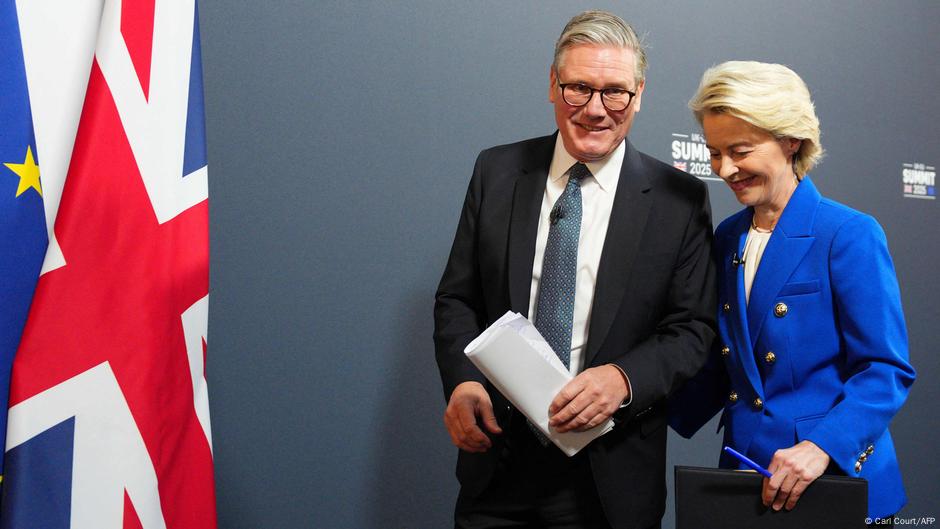
British Prime Minister Keir Starmer announced his resignation on Monday, prompting reactions from European leaders who praised his role in strengthening ties with the EU and supporting Ukraine. Ursula von der Leyen, President of the European Commission, stated that "European and Ukrainian security is stronger because of you." French President Emmanuel Macron thanked him for revitalizing EU-UK relations and leading the "coalition of the willing" for Ukraine.
Starmer, together with Macron, led the coalition of 35 states providing military aid to Ukraine and planning long-term defense support in case of a ceasefire. Ukrainian President Volodymyr Zelenskyy also expressed gratitude.
Olivia O'Sullivan, director of the UK in the World program at Chatham House, described Starmer as an active and reliable partner within the coalition. She noted that he worked to ensure Europe could play a strategic role in securing peace, despite struggling to meet his self-imposed military spending targets. She added that the next prime minister will face similar challenges.
The UK also played a major role in the E3 format, coordinating foreign and security policy with Germany and France, including responses to US demands. O'Sullivan said Starmer's departure might cause some loss of momentum, but adaptation to a new leader should not be a major setback.
The likely successor is former Manchester mayor Andy Burnham, considered broadly pro-European but primarily focused on domestic issues. It remains unclear whether he will prioritize foreign policy as Starmer did.
Starmer's greatest foreign policy achievement was the EU-UK Security and Defense Partnership, formalized at the first post-Brexit summit last May. It aims to facilitate cooperation on Ukraine and other security initiatives. However, the UK only gained limited access to the EU's SAFE program (€150 billion) because it refused to pay a participation fee.
On Monday, European Council President Antonio Costa announced the postponement of the EU-UK summit originally scheduled for July 22.