What Spain's Pedro Sánchez can teach Britain's Andy Burnham
Spanish PM Pedro Sánchez has spent eight years positioning himself as a leading progressive voice in Europe, even as corruption scandals and sliding poll numbers threaten his government at home. His trajectory offers pointed lessons for the UK's new prime minister, Andy Burnham.
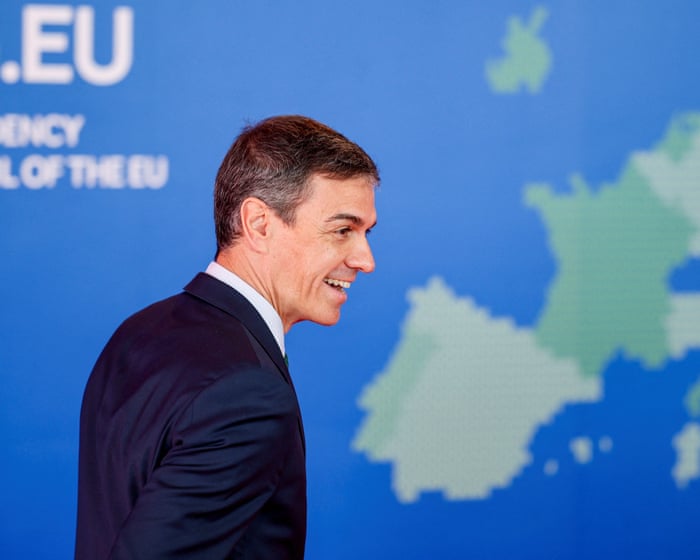
Since taking office in June 2018, Pedro Sánchez has built a reputation as one of Europe's most vocal left-leaning leaders, taking pointed stances against the Trump administration's actions in Iran and against Israel's conduct in Gaza. Internationally, he is often seen as a rare success story among Europe's left-leaning governments.
At home, though, matters are messier. Sánchez's inner circle, including his brother, wife and a predecessor, is entangled in a corruption scandal, and his Spanish Socialist Workers' Party (PSOE) has been sliding in the polls. Over the weekend, Moroccan police arrested 111 people attempting to cross into Spain's territory of Ceuta, while devastating wildfires have added to the pressure on his government.
From centrist compromise to progressive figurehead
Madrid-based journalist Eoghan Gilmartin notes that Sánchez was originally seen as a centrist compromise candidate when he first became PSOE leader in 2014. After a bruising internal revolt and a string of election losses forced him out in 2016, he rebuilt his standing by touring Spain to listen to grassroots members and left-wing voters, retaking the leadership by 2017 and becoming prime minister in June 2018.
Since then, he has delivered on a broad progressive agenda: investing heavily in renewable energy, raising the minimum wage, expanding abortion rights, banning so-called conversion practices, capping rent rises and shifting more of the tax burden onto the wealthy.
Turning outward under pressure
With his minority coalition unable to pass a budget since 2023 and corruption allegations mounting, Sánchez has increasingly leaned on foreign policy — refusing to let the US use jointly operated bases to strike Iran and formally recognising a Palestinian state in 2024.
His 2023 election win came after he framed the vote as a choice between his government and the far right, pointing to concrete social gains under threat. Analysts suggest this refusal to soften his stance on issues like immigration and climate — areas where Andy Burnham has so far stayed largely silent — could offer a template for Britain's new prime minister as he looks to define his own government.