Social anthropologist: our idea of society is often just a simplified snapshot
RSU lecturer Agita Lūse discusses how digital media, individualism and social-network simplifications are reshaping people's ability to build and maintain interpersonal relationships.
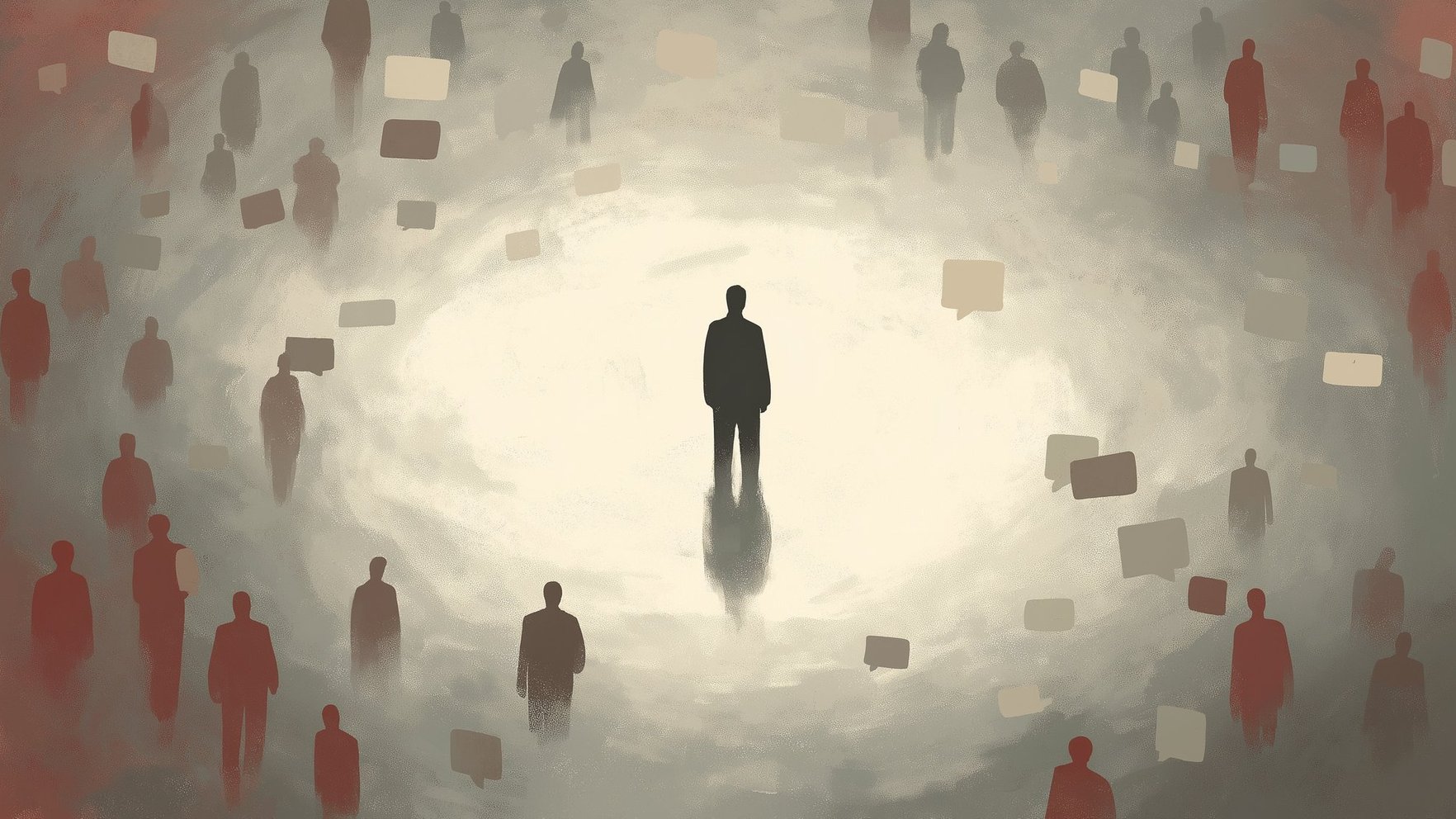
In an interview with Delfi, social anthropologist Agita Lūse, a lecturer at the Faculty of Social Sciences of Riga Stradiņš University, addresses how contemporary society is changing under the influence of political and global upheaval as well as the digital environment. In her view, current events are often portrayed superficially, through simplification and stereotyping, which turns people's picture of society into something like an artificially conjured snapshot.
Individualism as ideology, not lifestyle
Lūse cautions against taking at face value claims that society no longer needs society, or that individuals are becoming increasingly closed off. She views individualism not as a lifestyle but as an ideological phenomenon centered on individual values. People may behave individualistically, she says, but a fully isolated way of life is not truly possible, since everyone remains connected to others in some way.
She cites sociologist Manuel Castells' concept of "networked individualism," which describes how people in Western societies are oriented toward themselves while remaining inevitably linked to one another. According to Lūse, the more relevant question is not whether relationships exist, but which relationships people choose to maintain and develop. Even someone living a solitary life will periodically seek contact with society to understand what is happening around them.
Digital environment reduces in-person contact
Lūse observes that people today devote less effort to traditional bonds, such as family ties, which used to be maintained much more closely. Increasingly, communication happens in digital rather than face-to-face settings. She stresses that the digital environment consumes a significant share of people's time and energy, leaving less capacity for direct, in-person interaction. She suggests reflecting on how much information and experience people gain today through digital tools compared with what is gained from an ordinary conversation with another person — on a train, for instance, or while waiting in line at a shop.
/nginx/o/2026/10/02/17950628t1he8d7.png)