Ceuta migrant crisis becomes tool for disinformation and political polarization across Europe
The late-July mass arrival of migrants in Spain's enclave of Ceuta triggered waves of debate and disinformation across several NATO eastern flank countries, including Latvia, where the prime minister reprimanded the interior minister over a letter sent to Spain.
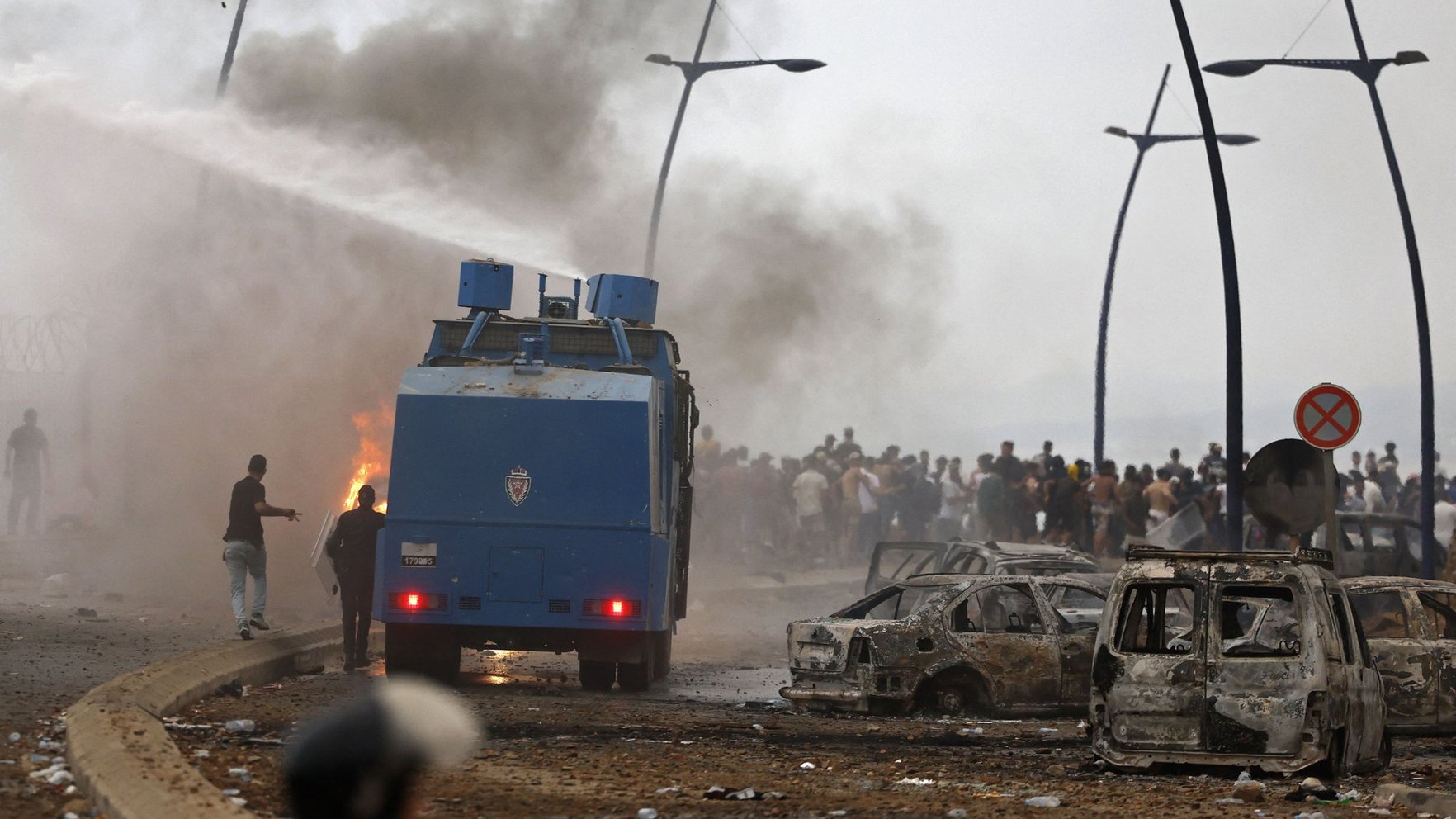
The mass arrival of migrants in Spain's North African enclave of Ceuta in late July has become an example of how a humanitarian crisis can turn into a tool for information warfare, security experts note. The event triggered strong reactions on social media in several NATO eastern flank countries — Poland, Hungary, Latvia and Slovakia — while Romania and Estonia saw comparatively muted responses.
Shared narratives across countries
Similar claims spread across multiple countries, including a conspiracy theory alleging US and Israeli involvement in organizing the border crossing. In Hungary, right-wing politicians and influencers used the events to warn of a new migration wave and to criticize the EU Migration Pact. In Slovakia, far-right party representatives used the topic for pre-election mobilization ahead of October municipal elections, with one lawmaker even traveling to Ceuta in person.
Latvia's domestic political reaction
In Latvia, the crisis became part of the domestic debate on migration and EU external border security. Riga City Council member Ēriks Stendzenieks and the party "Latvia First" circulated videos linking the events to Spain's migration policy and to Latvian domestic politics. A figure of 1.3 million applications under Spain's regularization program, which circulated widely, was based on genuine media reports, but Latvian politicians largely omitted that it referred to applications rather than approvals, and that the program granted temporary residence and work permits rather than citizenship.
Interior Minister Jānis Dombrava described the events on social media platform X as a mass influx into the EU and linked them to Spain's decision to grant rights to unregistered migrants, though this connection was misleading. Dombrava later sent Spain a letter of solidarity, whose tone was reportedly perceived in Madrid as arrogant according to unofficial diplomatic sources, prompting the prime minister to reprimand him.
Experts stress there is currently no evidence of a coordinated hybrid operation, but such crises create fertile ground for information manipulation and social polarization regardless of their origin.