Protein older than blood circulation could boost cancer immunotherapy
Japanese researchers found that complement C3 produced locally within tumors helps immunotherapy work, while C3 circulating in the blood has no effect on treatment success. The discovery could help patients whose tumors lack enough of this protein.
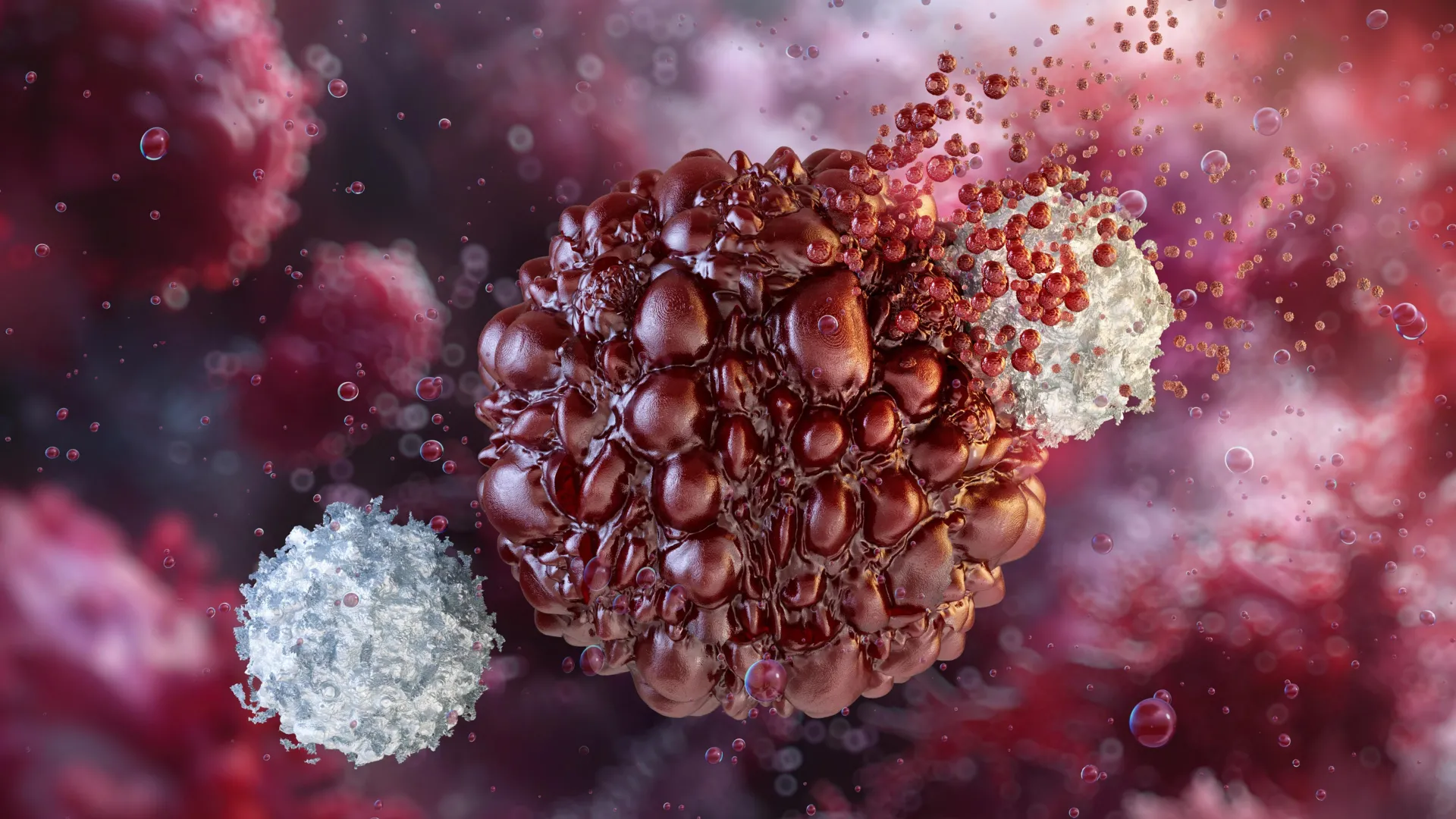
Scientists at Nagoya University in Japan have discovered that complement C3, an immune protein that evolved long before blood circulation existed, can improve the effectiveness of cancer immunotherapy — but only when it is produced directly within tumor tissue rather than delivered through the bloodstream. The findings were published in Nature Communications.
An ancient protein with a new role
C3 is one of the oldest known components of the immune system, present even in simple animals such as sponges and jellyfish. Most C3 is produced in the liver and circulates in the blood, helping the body fight infections. Until now, little was known about the role C3 plays when produced directly inside tissues and organs.
Researchers found that fibroblasts surrounding tumors — cells known as cancer-associated fibroblasts — also produce C3, and this locally made protein has a distinct function: it prevents immune-suppressing myeloid cells from entering the tumor microenvironment, giving the immune system a better chance of recognizing and attacking cancer cells.
Mouse experiments confirm the local effect
Experiments in mice showed that what matters is local, not circulating, C3. When researchers reduced liver-produced C3 by 90%, an anti-PD-1 immunotherapy drug remained just as effective. However, when fibroblasts inside the tumor were prevented from producing C3, the treatment became less effective, even though blood C3 levels dropped by only 9%. As C3 breaks down, it forms a fragment called iC3b, which blocks harmful myeloid cells from entering the tumor.
The team also tested a drug designed to mimic C3's blocking effect and found it allowed immunotherapy to work against tumors that had previously resisted treatment, significantly extending survival in mice.
Findings supported by lung cancer patient samples
Analysis of tumor tissue samples from lung cancer patients showed that higher local C3 levels were associated with better treatment outcomes and longer survival. About half of patients with high local C3 levels responded to treatment, compared with none among patients with lower levels. As in the mouse studies, blood C3 levels showed no link to treatment success.
Researchers now plan to explore ways to increase C3 levels within tumors and determine the optimal timing for treatment. They also believe further study of local C3 activity could deepen understanding of other biological processes, such as wound healing and inflammation regulation.