Estonian parliament advances bill to refund charities' VAT paid on medicines
Estonia's Riigikogu has passed in its first reading a bill to reimburse charitable foundations for turnover tax paid on medicines for rare diseases and cancer bought with donations, after lawmakers earlier rejected a citizens' initiative to exempt such drugs from the tax entirely.
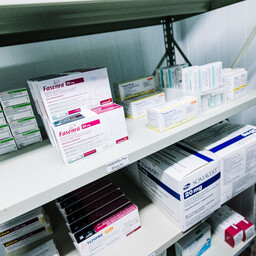
The Estonian parliament, the Riigikogu, has approved in its first reading a draft law under which the state would compensate non-profit associations and foundations for the turnover tax they pay when buying medicines for rare diseases and cancer with donated funds. The turnover tax rate has stood at 24% since last July, and it also applies to medicines purchased through charitable donations.
Background
The bill follows a citizens' initiative submitted to the Riigikogu this spring, which called for exempting such medicines from the turnover tax altogether. More than 2,800 people signed the initiative in a short period, but parliament ultimately rejected it. During deliberations, it emerged that existing law does not allow a tax exemption to be applied based on who buys the medicine or what funds are used, prompting lawmakers to draft a separate bill with a different mechanism.
How the refund would work
Under the proposed scheme, the Estonian Health Insurance Fund would reimburse non-profits and foundations an amount equal to the turnover tax paid on medicines bought with donations. Riigikogu Social Affairs Committee member Helmen Kütt explained that the mechanism would operate with a delay: if the law takes effect on January 1, 2027, foundations could only recover the tax paid on donation-funded medicines purchased during 2027 in 2028.
Impact on foundations
Kütt noted that in 2024 the cancer treatment charity Kingitud Elu paid the state more than €400,000 in turnover tax on medicines, while the Children's Fund of Tartu University Hospital paid over €300,000. Children's Fund board member Siiri Ottender-Paasma said treatment costs for rare diseases and cancer are far higher than ordinary medicine expenses — this month alone the fund paid €30,000 in turnover tax, an amount that could cover a year of therapy for ten children. Over six years, the fund has paid around €1.5 million in this tax. The Riigikogu's Social Affairs Committee is due to continue reviewing the bill on October 12.