Riga, Tallinn and Vilnius: What the Baltic Capitals Can Learn from Each Other
At the urban planning event "MadCity", speakers said Riga, Tallinn and Vilnius can learn from one another rather than only compete. An Estonian expert urged cities to adopt best practice while keeping their unique character.
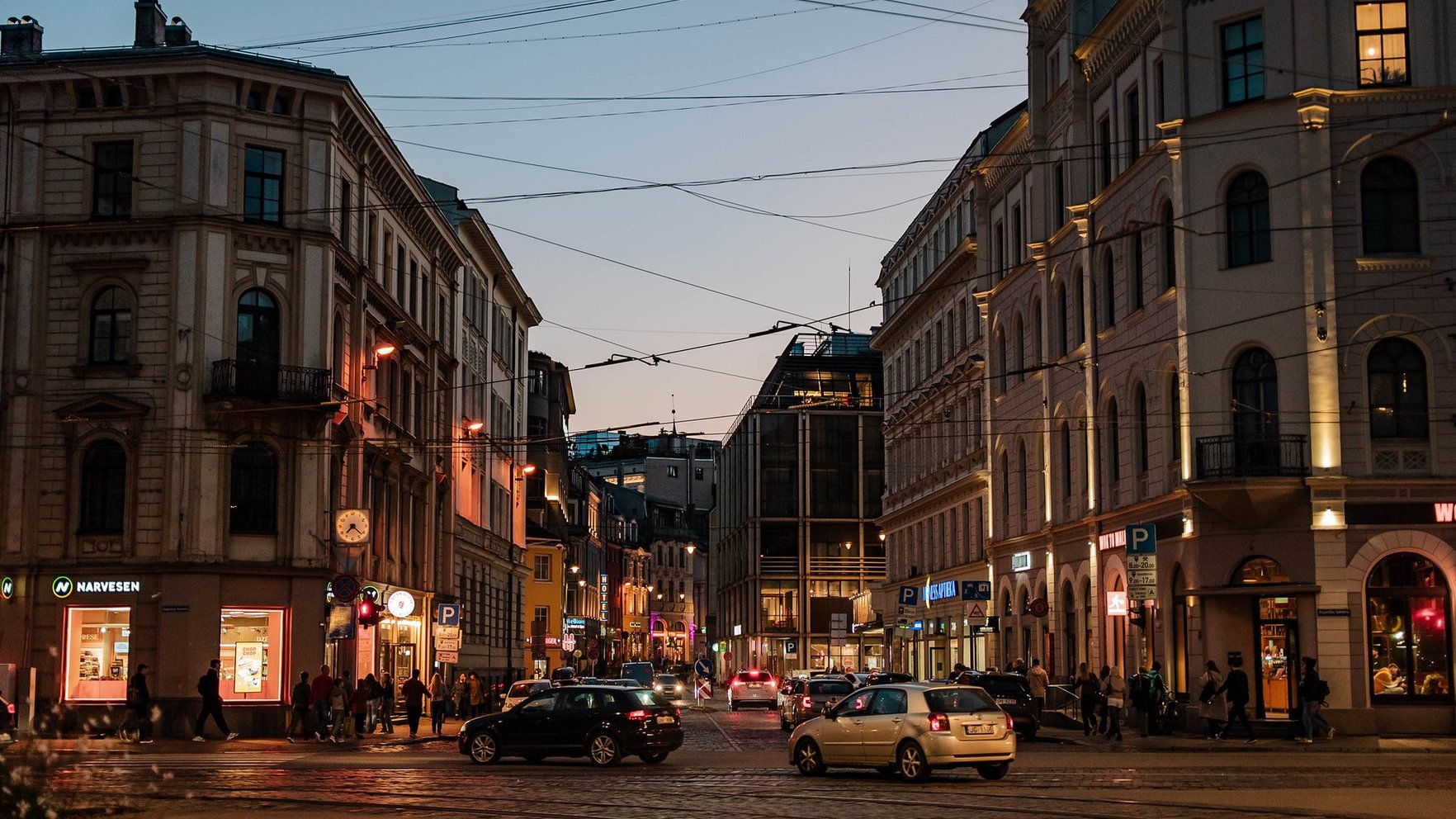
The Baltic capitals – Riga, Tallinn and Vilnius – are often seen as rivals competing for residents, talent, tourists, investment and attention. At this year's urban planning event "MadCity", the message was that the three cities can instead learn from each other and make shared use of each one's strengths.
What the event covered
The main questions were what makes a city successful, what helps cities develop, which decisions over the past decade have changed the region, and how today's choices may shape the future.
Expert: copying strategies is not the answer
Kaidi Põldoja, an urban development expert from the Estonian architecture firm Muutrum, urged cities to learn from the best examples without losing their distinctive features. She noted that Tallinn's population has grown over the past decade, 99% of the city's services are available online, and in 2023 it was named the greenest capital.
According to her, other cities also have successes. Cities study and adopt best practice from one another, sometimes borrowing ideas and solutions almost directly. In the end, however, they often start to resemble each other too much, and uniqueness – the "raisin" – disappears.
The rest of the article, which also looks at Riga's advantages, is not available in the source.