Editorial: Time to ramp up pressure on Putin for peace in Ukraine
Vladimir Putin has rejected Volodymyr Zelenskyy's call for direct talks, while Ukraine continues successful attacks on Russian territory. European allies must increase support for Ukraine to achieve a ceasefire and security guarantees.
Last week, Russian President Vladimir Putin dismissed an open letter from Ukrainian President Volodymyr Zelenskyy proposing face-to-face negotiations. Speaking at an economic forum in St Petersburg without mentioning Zelenskyy by name, Putin said he saw "no point" in a meeting and insisted that all Russia's war aims, including the annexation of the entire Donbas region, were on track to be fulfilled.
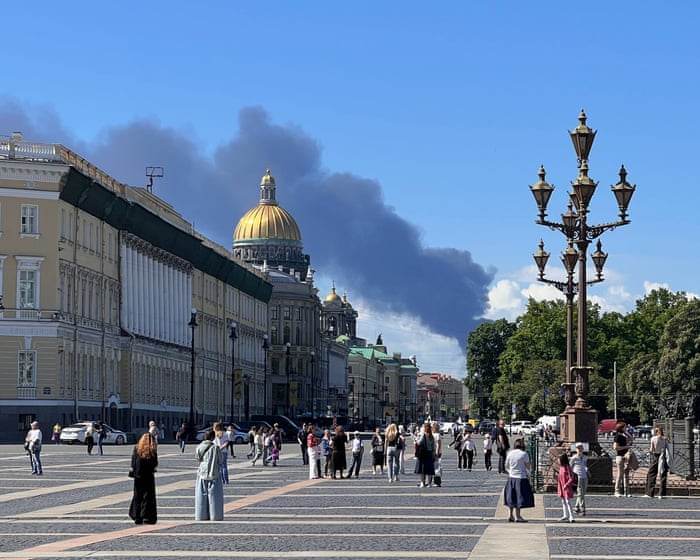
However, the situation on the ground and in the air increasingly contradicts these assertions. The day after Putin's remarks, a coordinated Ukrainian drone attack struck St Petersburg, hitting arsenals and a naval base, forcing residents to stay indoors. It was the second such attack in a week, showcasing Ukraine's advancing drone technology. Other key ports have also been targeted, significantly reducing oil production at a time when the Kremlin hopes to profit from Iran-related price increases.
On the front line, Ukrainian forces liberated more territory in April and May than Russia managed to capture. Russian soldiers are reportedly dying faster than they can be recruited. Ukraine is producing drones rapidly and in large numbers, and for the first time recently, it was able to launch more strikes than it had to repel. As a result, the Kremlin's "spring offensive" has effectively stalled. As Zelenskyy told the Guardian in an interview after meeting UK Prime Minister Keir Starmer and other E3 leaders, "Russia is not winning."
In this context, Ukraine's European allies must do everything possible to strengthen Zelenskyy's hand. He emphasized the urgent need for anti-ballistic missile systems to protect civilians. On Monday, EU defense ministers discussed new sanctions against Moscow, and upcoming EU and G7 meetings will address potential peace terms. While the US is focused on finding an exit from Trump's war in Iran, there are signs that an Orbán-free Europe is determined to play a more central role in future mediation.
The starting point must be a ceasefire, credible security guarantees for Ukraine, and dropping Kremlin demands for further territorial concessions in the east. With extraordinary bravery and resilience, Ukraine has resisted a brutal, illegal invasion for longer than the First World War. In doing so, it has performed a crucial role in protecting Europe's broader security interests. The favorable momentum must not be lost.