Columnist Dubynyansky: wartime societies buy hope, not truth
Ukrainian journalist Mykhailo Dubynyansky examines how encouraging but misleading messages about an imminent victory spread on social media during wartime, comparing them to similar tactics from past conflicts. He concludes that real events rarely match the promised optimism, yet hope keeps finding buyers.
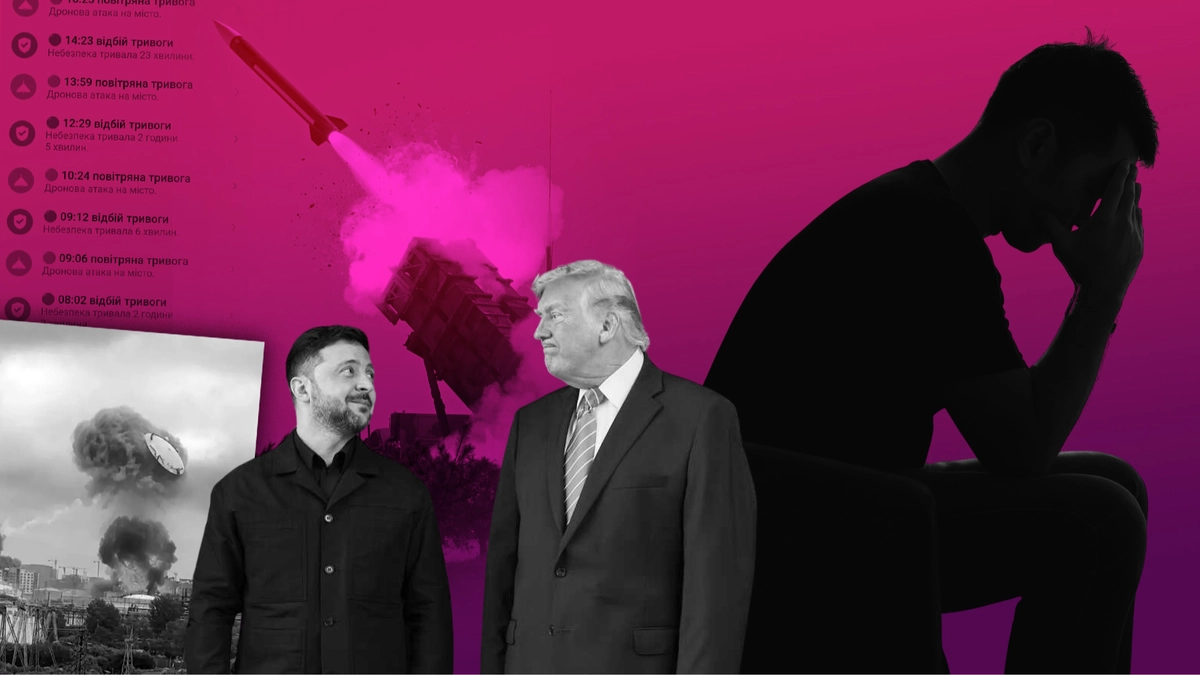
Ukrainian columnist Mykhailo Dubynyansky writes about what he calls the "sale of hope" during wartime. As an example, he cites a social media post from January 2026 claiming that the brutal winter of record frosts and shelling was the war's culmination, after which victory would inevitably follow.
The author notes that actual events unfolded differently. After the hardships of January, new troubles emerged: US President Trump's involvement in a failed military venture in the Middle East, a sharp rise in energy prices that boosted the aggressor state's budget, depletion of interceptor missiles for Patriot air defense systems, and the use of jet-powered drones against warehouses and fuel stations in Kyiv in broad daylight. As a result, the country faced the prospect of an even harsher winter than the one it had just endured.
Standard propaganda techniques
Dubynyansky describes several typical uplifting messages that appear in warring nations. The first claims that enduring suffering automatically brings victory closer — the author refutes this by pointing to the American Civil War, where the resilience of the Confederacy did not save it from defeat. The second message links growing enemy terror against civilians to the enemy's supposed impending collapse, which, as the author stresses, is not always true — General Sherman's campaign in Georgia or the bombing of Dresden were not signs of American or Allied military desperation.
A third message ties new weaponry to imminent victory, which the author disputes by citing Germany's defeats in both world wars despite technological advantages in submarines, poison gas, and rocket weapons. A fourth message frames any tactical success as a strategic turning point, though history shows successful battles can be followed by swift capitulation, as with Germany's spring 1918 offensive.
The author concludes that although such messages are naive, they provide hope and motivation to keep fighting, meaning demand for them will persist regardless of the war's actual course.

/nginx/o/2025/05/04/16821302t1hf64c.jpg)