Political scientist: Šlesers has drawn Russian-speaking voters who are not “vatniks”
Political scientist Filips Rajevskis says Ainārs Šlesers won about 60% of Russian-speaking votes in the latest Latvian parliamentary election, bringing in voters who stayed home in 2022. He argues they cannot simply be labelled “vatniks”.
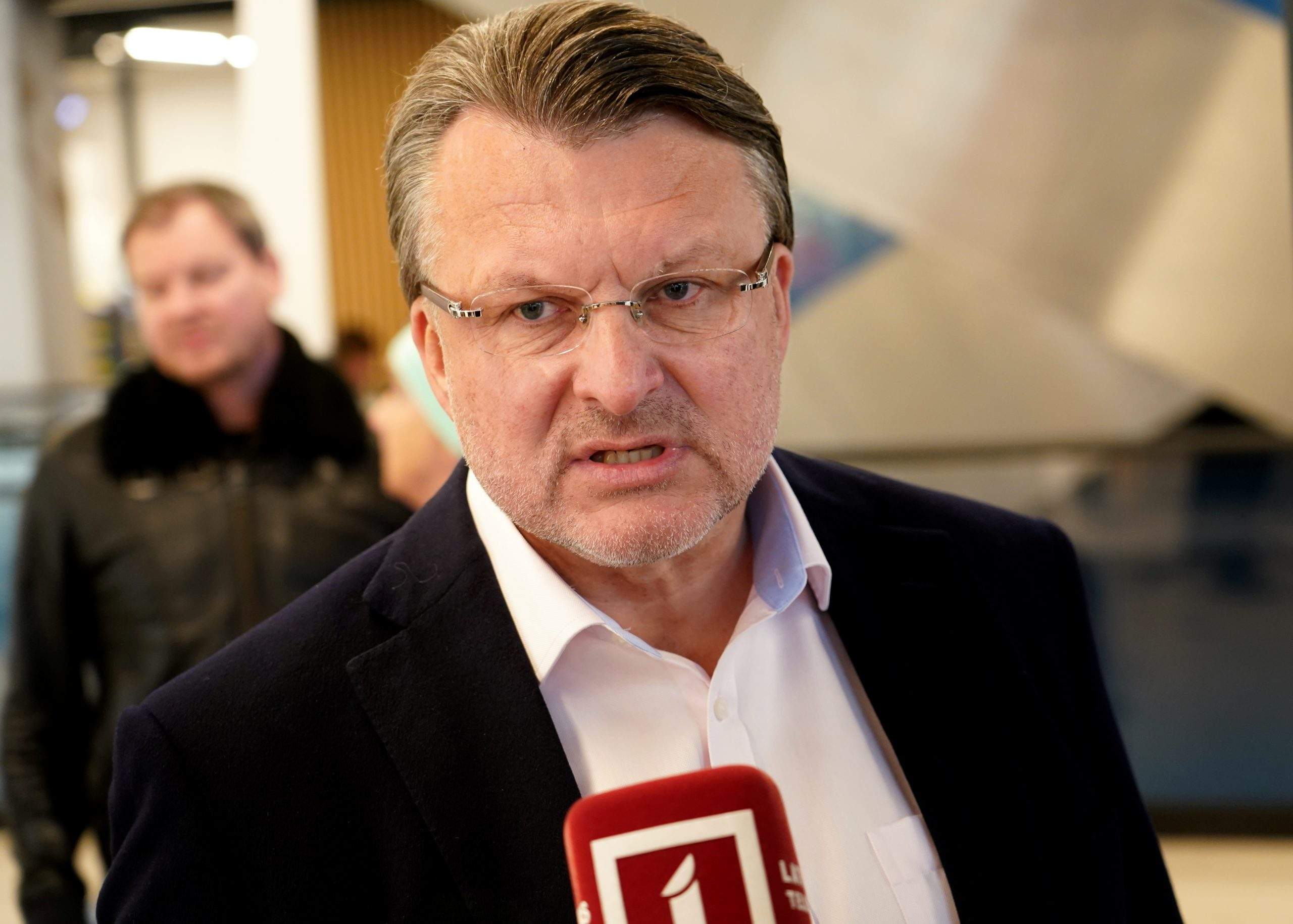
After this parliamentary (Saeima) election in Latvia, a question has come up again: have the votes of Russian-speaking Latvian citizens found a new representative in politics? On the TV24 programme “Kārtības rullis”, political scientist Filips Rajevskis, a co-founder of the public relations agency “Mediju tilts”, said politician Ainārs Šlesers played a major part. According to Rajevskis, Šlesers achieved the second-best result and has 60% of the Russian votes.
The difference from 2022
The 2022 Saeima election significantly changed the balance of political forces. The party “Saskaņa” (Harmony), long one of the most influential forces, lost voter support after Russia's full-scale invasion of Ukraine and failed to clear the 5% threshold.
Rajevskis believes Šlesers has now said similar “right words”. He cited statements on Ukraine and NATO, and calling Russia an aggressor state. The political scientist says this is acceptable to Russian-speaking Latvian citizens, which was hard for them to accept in the case of “Saskaņa”.
“Vatniks” are elsewhere
Rajevskis stressed that Šlesers' voters cannot simply be called “vatniks”, a derogatory term for pro-Kremlin people. He said that the Russians who might be described that way are with Jūlija and with Rosļikovs. Šlesers, by contrast, has voters who do not fit that description.
The political scientist called this a monumental change compared with 2022. In his words, those same people did not come to vote then, but Šlesers gave them an opportunity and is now gathering them around himself. Rajevskis also noted that Šlesers reached this group of voters without any special state funding for integration policy.