Study finds 485 chemicals in US pesticide products linked to breast cancer
A new US study has identified at least 485 chemicals used in pesticide products that are linked to breast cancer, exposing major gaps in regulatory oversight. Most of these substances are classified as 'inert' ingredients that avoid thorough safety review.
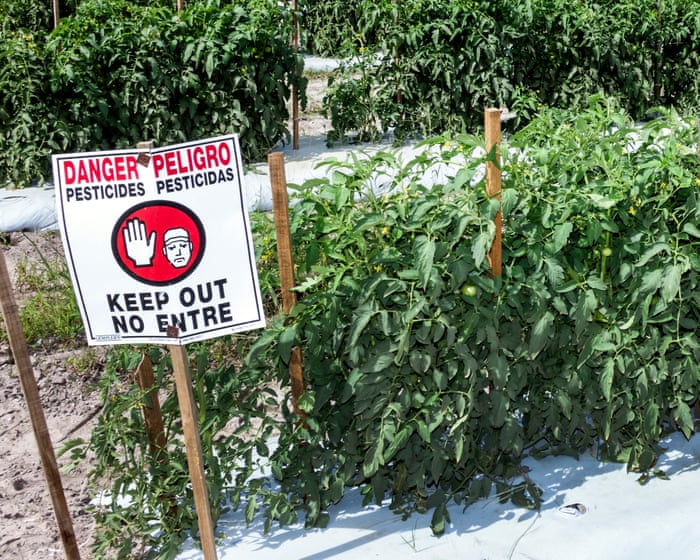
A peer-reviewed study published in Environmental Health Perspectives has identified at least 485 chemicals used in US pesticide products that are linked to breast cancer. The research, conducted by the nonprofit Silent Spring Institute, points to significant weaknesses in how pesticides are regulated in the United States.
The Environmental Protection Agency evaluates each pesticide ingredient's health risks individually, without assessing the full formula or the effect of exposure to multiple pesticides at once. These chemicals appear not only in agricultural pesticides but also in children's head lice treatments, home lawn fertilizers, and flea and tick products.
Of the identified chemicals, only about 145 are registered with the EPA as active ingredients — the rest are classified as 'inert,' meaning they typically bypass rigorous safety testing. Researchers stress that the human body does not distinguish between active and inert ingredients, so the latter can be just as harmful. In 2023, the EPA rejected a petition calling for stricter review of inert ingredients.
Study co-author Jenny Kay also raised concerns about ties between EPA leadership and the pesticide industry, as well as the agency's tendency to dismiss chemicals that cause harm at lower exposure levels rather than higher ones — a pattern known as non-monotonic dose response.
Breast cancer remains one of the most commonly diagnosed cancers in the US, with incidence rising by about 1% annually, and even faster among women under 50. Federal data show at least 84 of the identified chemicals are already present in the general population, though researchers believe this figure understates the true scope of exposure.
Silent Spring Institute is calling for an expansion of California's Proposition 65, which requires cancer-risk warning labels — the study found 16 of the chemicals are not currently covered by that law. Consumers are advised to choose organic produce where possible and use water filtration systems, since a notable share of US drinking water sources contain the breast cancer-linked chemical atrazine.