Major UK Jurassic fossil collection sold to Abu Dhabi museum
One of the most significant private collections of UK Jurassic fossils has been sold to the Natural History Museum Abu Dhabi after British institutions said they lacked funds to buy it. Experts have called the sale a loss for the UK's natural heritage.
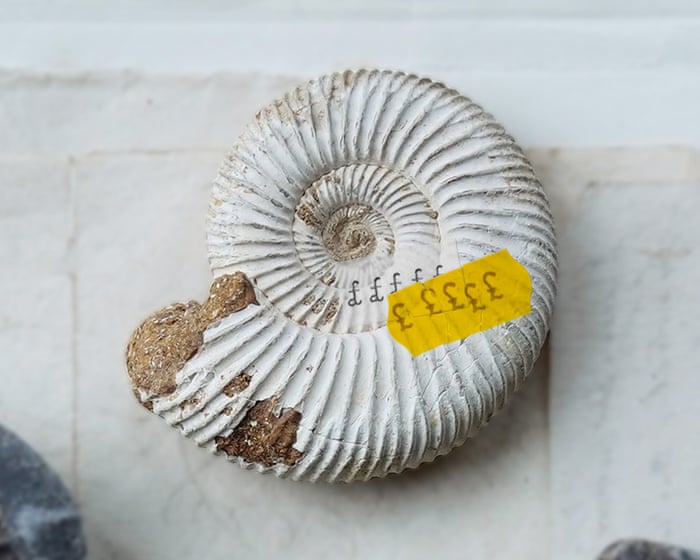
A collection of 318 Jurassic-era fossils, regarded by experts as one of the most important ever assembled from Britain's Jurassic Coast, has been sold to a museum in Abu Dhabi rather than staying in the UK.
The collection, compiled over years by Dorset-based private collector Chris Moore, includes ichthyosaurs, fish, crustaceans and other specimens, some of which may represent previously unknown species. The fossils originate from the Lower Lias rock sequence near Lyme Regis and Charmouth, part of the Jurassic Coast, a Unesco world heritage site.
The collection was first offered to the Natural History Museum in London and to Amgueddfa Cymru (Museum Wales) for what was described as an eight-figure sum. Both institutions declined, citing a lack of funding, with one email reportedly stating the Natural History Museum had no money at all for acquisitions. A curator noted that storage space, staff time and packaging materials also posed challenges, adding that similar situations are likely to recur as ageing collectors seek homes for their life's work.
The Natural History Museum Abu Dhabi confirmed it purchased the collection, which has been on public display in its Mesozoic Gallery since November 2025. A museum spokesperson said the Lower Jurassic rocks of the UK preserve some of the finest examples of marine life from when Dorset's coast lay roughly at the latitude of north Africa today.
Richard Butler, a professor of palaeobiology at the University of Birmingham, described the collection as nationally significant and said it would have been wonderful for it to be displayed and studied in a UK museum. Unlike some countries where fossils are treated as state property, the UK has no such rule; a voluntary code encourages collectors to first offer scientifically important fossils to UK museums, but it is not legally binding.
Other experts noted that keeping fossils in public collections anywhere in the world matters more than their specific location, since private ownership can prevent scientific description in journals. Commentators also pointed to the case as raising broader questions about how the UK funds preservation of irreplaceable natural heritage.
/nginx/o/2026/04/24/17588821t1hcc29.jpg)

