Norfolk Island's unique corals under triple threat from disease, El Niño, and government-approved dredging
Scientists warn that Norfolk Island's coral reefs, home to many undescribed species, could disappear due to a triple threat of disease, El Niño, and a federal government plan to dredge a shipping channel.
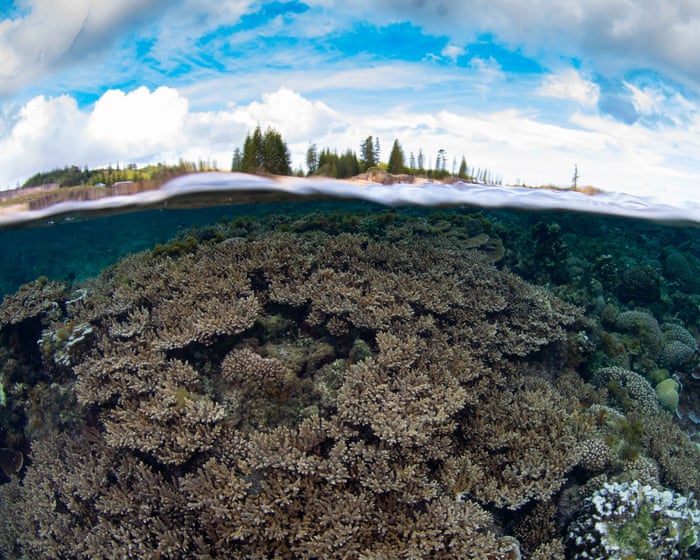
Norfolk Island's unique corals under triple threat from disease, El Niño, and government-approved dredging
Scientists fear that the unique corals fringing Australia's remote Norfolk Island could disappear because of a triple threat of disease, El Niño, and a federal government plan to dredge a neighbouring shipping channel. A failure to manage sediment and pollution from cattle farming, cleared land, and wastewater has been blamed for widespread disease and algae outbreaks.
Professor Bill Leggat, a coral expert at the University of Newcastle who has been monitoring the island's corals for five years, said most of the island's corals are likely species that have not been formally described by science and would be unlikely to recover if lost. "We could rapidly lose the coral reefs and we won't get them back," he said.
Since March, there has been a three-fold increase in diseased corals during one of the longest-running coral disease events recorded on Australian reefs. Water quality is a key problem, with pollution and sediment washing into lagoons during heavy rain, promoting disease and algae. "White syndrome" disease starts with a white spot that enlarges, killing coral flesh and leaving the white skeleton.
Norfolk Island, with a population of 2,200, has reefs extending about 2km around three adjoining bays: Emily, Slaughter, and Cemetery. The island attracts tens of thousands of tourists annually.
Professor Tracy Ainsworth from the University of New South Wales, a member of the monitoring team, said between 30% and 50% of corals have shown disease symptoms over the past five years. CSIRO water monitoring suggests pollution likely comes from cattle manure, wastewater (including septic tanks), and fertiliser.
Ainsworth noted that the developing El Niño in the tropical Pacific risks elevating summer water temperatures, causing coral bleaching and potential death. The federal government's infrastructure department gained environmental approvals in April 2025 to dredge a channel to improve access to Kingston Pier, where most supplies and tourists arrive. Work could start later this year.
"That is everything that you can do to kill corals. It is too much for corals to survive," Ainsworth said.
Neil Tavener, a 73-year-old lifelong island resident who swims over the corals daily, worked on water quality and public health before retiring. "The lagoons and the corals are the jewels in Norfolk Island's crown – they're priceless," he said.
Dr. Tom Bridge, a coral taxonomist at the Queensland Museum and James Cook University, researches corals of Norfolk and Lord Howe Island. He said about 40% of corals on these islands are likely found nowhere else. They are isolated from other reefs, meaning little chance to re-spawn. "These corals are at a really high risk of extinction – but it is a silent extinction because they're not even described [in the scientific literature]," he said.
A spokesperson for the federal infrastructure department said the Kingston Pier project is a "critical upgrade" to deepen and widen the channel, allowing "all-tide harbour access" for larger commercial, cruise, and fishing vessels. The department intends to award a contract in August, with rock wall repairs expected in coming months, followed by dredging.
The project was approved under national environment laws with strict conditions, including limiting dredging to a 0.5 hectare footprint, disposal of spoil on land, and real-time water quality monitoring. Independent specialists would oversee monitoring to protect the surrounding reef and marine environment.
A spokesperson for Norfolk Island regional council said septic systems, wastewater, stormwater, and other activities all need ongoing management to protect water quality. New strategies for managing waterways and cattle grazing are in development, and a working group with representatives from multiple government agencies has been formed to coordinate water quality management.