NASA Opens Competition for Private Space Stations to Succeed the ISS
NASA has issued a request for proposals for private space stations that could replace the International Space Station as early as 2030. Responses are due December 8, with a decision planned for April.
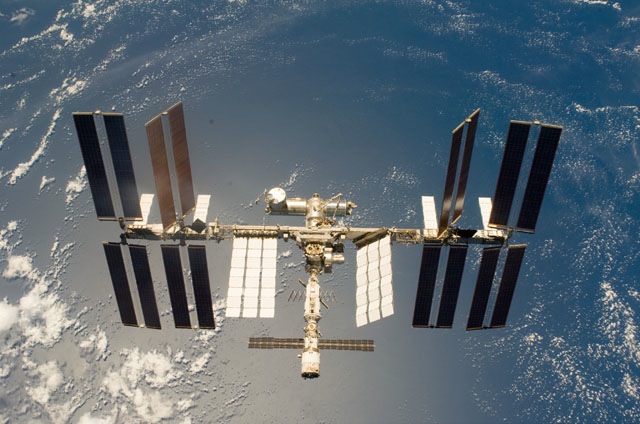
The US space agency NASA on Friday released a 360-page request for proposals, inviting the American commercial space industry to develop private space stations. They are meant to become the place where astronauts live in low-Earth orbit once the International Space Station (ISS) is retired. The new stations could begin operating as early as 2030.
In a cover letter, NASA said the plan would ensure a sustained human presence in low-Earth orbit, allowing crews to carry out science and exploration. NASA Administrator Jared Isaacman said the agency will never give up its presence there. He said it will still need a place for research, technology development, crew training and preparation for missions to the Moon and Mars.
Deadlines and funding
Industry responses are due December 8. NASA plans to select at least two contractors in this phase and intends to make its final decision in April. Phase 1 winners are guaranteed at least $100 million, while later phases will be worth billions. Phase 2 starts next year and covers development and certification of the stations. Phase 3 includes the purchase of at least four missions carrying NASA astronauts to the private stations.
Bidders are expected to include Axiom Space, Voyager Space and Vast Space. Blue Origin won an earlier round of NASA funding, but questions remain about its commitment to the program. SpaceX appears unlikely to bid for now.
Getting crews to the stations
Transportation was among the most closely watched elements. SpaceX has the only operational US vehicle for this, but plans to retire its Crew Dragon spacecraft as soon as possible and has not offered to sell seats to station operators. Two weeks ago NASA gave Boeing an additional $359 million to help certify its Starliner spacecraft for crewed missions.
Under the new request, bidders need not show a signed contract or even a letter of intent with Boeing or another transport provider. NASA offers to furnish transportation for the first four NASA service missions. For 2030, it estimates a four-seat crew flight at $325 million and a cargo flight at $300 million.
Voyager, Axiom and Vast all said they intend to compete.