Oil prices swing on Strait of Hormuz talks reports
Brent crude briefly fell below $80 a barrel on Tuesday amid reports of possible talks on fully reopening the Strait of Hormuz, but rebounded to around $85 after Iran denied any direct negotiations were underway. Analysts remain cautious about the odds of a deal.

Oil markets saw sharp price swings on Tuesday. Brent crude briefly dropped below $80 a barrel after reports emerged of a possible resumption of talks on fully reopening the Strait of Hormuz. The price soon returned to around $85, however, after Iran denied that direct and open negotiations were taking place.
Compared with July's peak, when a barrel exceeded $100, crude oil is currently around 15% cheaper.
Cautious assessment
Strategy head Aleksandrs Švedovs stresses that it is first necessary to understand what any potential agreement would actually cover and whose interests originally triggered the conflict. He notes that no publicly available information exists on this, despite loud statements from both sides. Švedovs suggests the conflict could be a kind of price-regulation tool aimed at generating extra profit and redistributing capital, and that it will likely continue as long as it benefits those who started it.
He adds that the current price range reflects the supply-demand balance in the oil market along with economic stagnation, but cautions this should not be treated as a forecast, since the broader context keeps shifting.
Rising supply and financial flows
Tension in the market is also being fuelled from the supply side — OPEC+ has raised output in August for a fifth consecutive month, while the US Energy Information Administration forecasts global oil inventories will keep growing through year-end. According to Švedovs, financial flows now play a bigger role in oil pricing than the actual supply and demand for barrels of crude, tonnes of diesel or litres of petrol, meaning military conflicts sometimes act as an off-market pricing mechanism.
Impact on Latvia
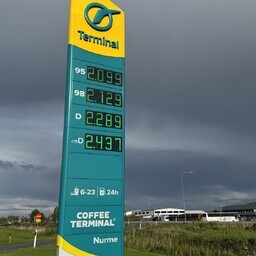
Latvian drivers have felt the recent rise in global prices less than might be expected, since it coincided with discount campaigns run by fuel retailers. In the long run, though, no such buffer exists: Latvian fuel prices are directly tied to global quotations for oil products (Platts), so global price changes will eventually be reflected at local filling stations. The speed of any local price change depends on several factors, but the main risk right now stems from uncertainty over how the US-Iran conflict will develop.