Forest scientist Jansons: science and forestry must keep working together
Jurģis Jansons, a leading researcher at the Latvian forest research institute Silava, defends the Latvian Academy of Sciences in an opinion piece and discusses cooperation between forest science and forestry. He says growth in young stands has increased, while mature pre-harvest stands show no improvement.
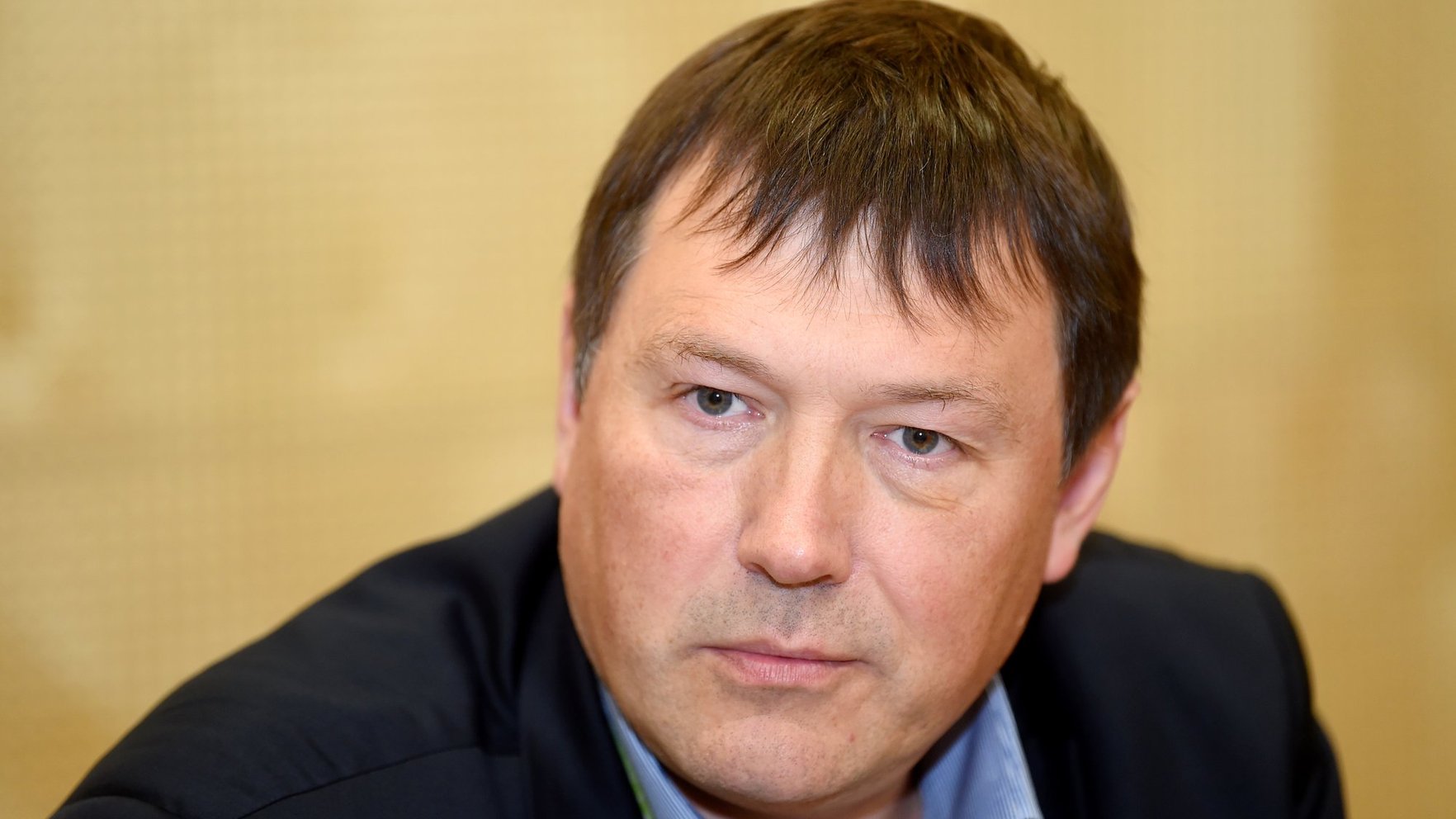
Jurģis Jansons, a doctor of forest science and leading researcher at the forest research institute Silava, has published an opinion piece in Delfi. In it he comments on the recent public attention paid to the Latvian Academy of Sciences (LZA) and describes how forest science and forestry work together. The text reflects the author's personal view, which may differ from the portal's editorial position.
Support for the academy and institute independence
Jansons argues that academicians Ivars Kalviņš and Baiba Rivža do not deserve public attacks. He links Rivža's contribution to her time as science minister, when the current Law on Scientific Activity was adopted and gave Silava the status of an independent institution. According to him, Estonians did not manage to keep the independence of their forest institute. Jansons directed Silava for 19 years and is not a member of the academy.
The Indrāni and forest clearing
The article's title refers to Rūdolfs Blaumanis's play "Indrāni". The author notes that in a Latvia without people, forests would cover about 95% of the land, so the land used for living and farming exists because forests were cleared. Forests now cover more than 50% of the country, compared with 27% in the era of the first republic. About half of the forests are public and half are privately owned. At least 60% of private forests are fertile forest types, against 27% in state forests.
Research results
Jansons says that thanks to cooperation between science and practice, wood growth in stands aged 20–40 years is 30% higher than 20 years ago. In mature stands before the main harvest, growth over the past 20 years has not changed or has even declined. According to him, research shows that late thinning fellings bring no additional wood or value gain.
In closing, the author refers to the highest rating (5, "outstanding") that Silava received in an international evaluation for the impact of its science on the economy.