In search of a river goddess: a journey through Britain’s mythic waterways
Author Kim Willis travelled across Britain to rediscover forgotten goddess myths linked to waterways, exploring their relevance for modern women.
The article describes journalist and author Kim Willis’s journey to the source of the River Severn in Wales, on Mount Plynlimon. She hiked through Hafren Forest to reach a wooden post marked “Source of the Severn,” hoping to meet a river goddess. This idea came from a myth recorded by folklorist John Rhys about three sisters – Hafren, Rheidolyn, and Gwy – each choosing their own route to the sea. Willis notes a revival of folklore in Britain, both in festival campfire tales and in Mabinogion-inspired romantasy fiction. Her journey, for her book No Fair Maidens, took her from Somerset to Skye, from Gower to Eryri, focusing on landscapes and waterways rather than archaeological sightseeing.
Water, she observes, often hosts powerful women and magical events. In Roman and pre-Roman times, Britannia was a network of waterways represented by goddesses like Sulis in Bath and Coventina near Hadrian’s Wall. Wells and river sources have been pilgrimage sites for centuries, where people threw coins and sought help from unseen forces. For example, Ffynone waterfall in Wales is considered a portal to the Otherworld, home to the goddess Rhiannon. Llyn y Fan Fach lake in Bannau Brycheiniog is known as the home of a beautiful nymph who married a mortal.
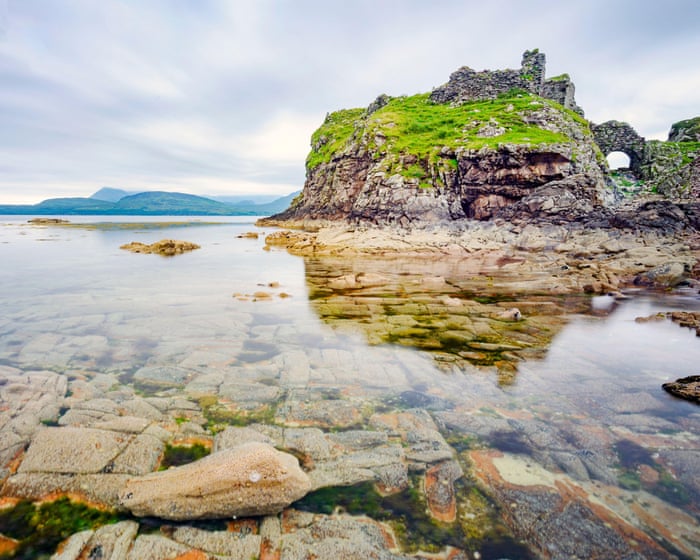
Willis also mentions the legend of Scáthach, a fearsome Scottish warrioress who trained Celtic princes on the Isle of Skye, and Gwendoline, who in a 12th-century legend raised an army and became the mythical first queen of a unified England. At Glastonbury Tor, she felt the matriarchal myth of Avalon – a magical island of sisters with shapeshifting, healing, and prophecy powers. The author concludes that viewing Britain through folklore allows us to see it as a place of wonder, fostering a stronger connection with nature by treating waterways as living beings with their own stories.