Macron hails G7 unity on Ukraine, including US alignment
French President Emmanuel Macron said all G7 members, including the US, recognize Ukraine's territorial integrity, marking a 're-synchronisation' of positions since last year's summit.
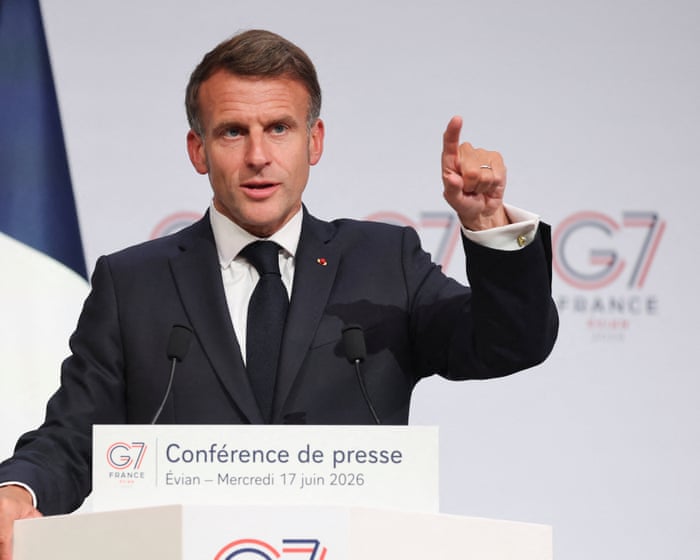
At the G7 summit in Évian-les-Bains, French President Emmanuel Macron stressed that all seven leading economies, including the United States, are united in recognizing Ukraine's territorial integrity. He noted a significant shift in the US approach, saying Donald Trump and other leaders understand that Vladimir Putin is not interested in peace.
Macron repeatedly highlighted a "shared commitment to making progress on this issue," describing it as "a very profound shift and remobilisation of the G7." This marks a stark contrast to last year's summit, where Trump's courtship of Putin and European support for Kyiv led to a rift that caused the US president to leave early, with no joint statement agreed.
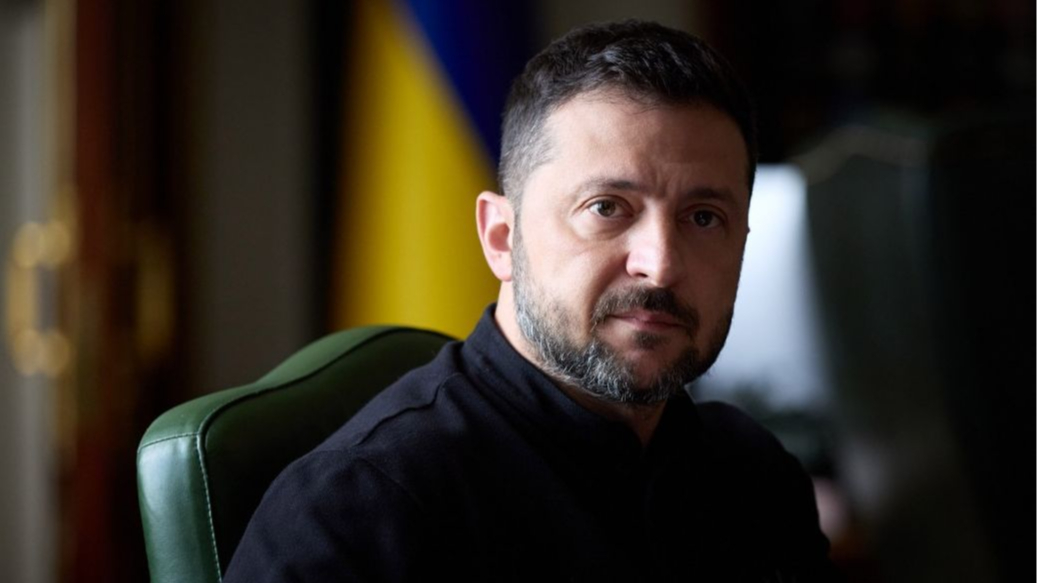
On the sidelines, Trump met Ukrainian President Volodymyr Zelenskyy twice, and Zelenskyy updated him on Ukraine's military progress, which apparently impressed the US leader. The summit's joint communique vowed to increase sanctions on Russia, including in the energy sector.
When asked whether Trump can be trusted to follow through on commitments to consider further sanctions, Macron said he has always trusted Trump and that he has always kept his word. Canadian Prime Minister Mark Carney echoed this, saying Trump had shifted to "a more realistic understanding of how this war will develop," calling it a game-changer.
Diplomats at the summit sensed Trump's relief at the apparently imminent end of the Iran war put him in a better mood, leading to genuine engagement. At his closing press conference, Macron revealed that Zelenskyy had proposed Putin attend the G7 to discuss the impasse, but "nothing had come back from Russia."
Several G7 countries, including the US and European nations, agreed to produce long-range missiles and air-defense systems under license in Ukraine. German Chancellor Friedrich Merz said current production is too low, and licensing companies can compensate. Trump said he would look into licensing US missile production, though issues of commercial secrecy and patents remain.