LTA: MERE crisis freezes over 1.65 million euros; FID prepares guidance
The Latvian Traders Association says frozen funds and goods for producers and suppliers in the closed MERE chain exceed 1.65 million euros, while the Financial Intelligence Service has begun drafting legal guidance on debt recovery and food donations.
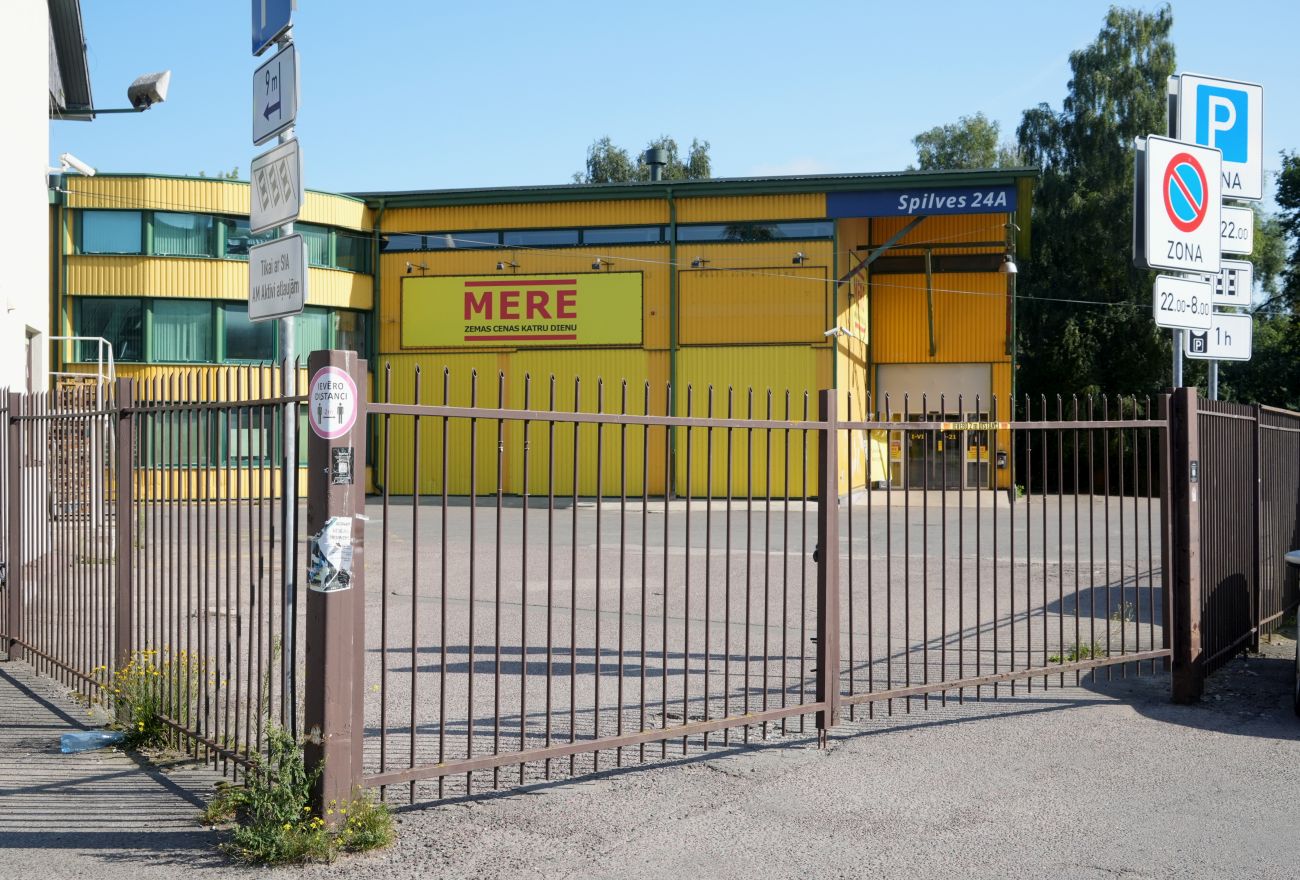
The Latvian Traders Association (LTA) has announced a significant legal development in the crisis surrounding the closed MERE retail network. The value of frozen funds and goods belonging to Latvian producers and suppliers has already exceeded 1,650,000 euros. The association says the political executive branch and Prime Minister Andris Kulbergs have neglected the issue, but after LTA pressure, state institutions have begun acting swiftly.
LTA president Henriks Danusēvičs received a personal phone call from the head of the Legal Department of the Financial Intelligence Service (FID). During the call, the official admitted that the FID had not been informed in time about the European Commission’s planned sanctions, forcing the service to urgently seek operational solutions. The FID has officially confirmed it is preparing an urgent legal clarification to allow perishable products to be donated to charities and animal shelters, preventing food from rotting in closed warehouses and meeting the requirements of the EU Waste Framework Directive (2008/98/EK).
More importantly, the FID’s legal leadership said the service is preparing official guidelines for businesses on how and against whom debt collection can be pursued, including directly against the company’s ultimate beneficial owners and shareholders tied to Russian capital. In parallel, a new element has emerged: a sworn advocate office has officially registered to represent the legal interests of SIA “LATPRODUKTI”, the manager of MERE, in Latvia.
LTA stresses that despite the FID’s prompt response, the key question remains unanswered: whether and to what extent producers will ever receive actual payment for goods already delivered. Recovering working capital from frozen accounts lies outside the FID’s legal competence. The association therefore demands an urgent official position from the government, the Ministry of Economics and the Ministry of Finance, so businesses can understand their financial prospects and plan further operations in the regions.