Canada's migration slowdown becomes test case in Australia's policy debate
Australia is locked in a sharp debate over cutting migration numbers, with politicians and economists weighing whether Canada's tighter approach shows the economy can cope or warns of hidden risks.
A political fight is underway in Australia over how much migration the country should allow. The populist One Nation party, led by Pauline Hanson, wants to cut temporary migrant numbers by more than 750,000 over three years, largely by targeting international students and family members of skilled workers. That would require net overseas migration to turn negative for three years before settling at an annual cap of 130,000. Labor favours a far more gradual approach, with a longer-term target of 225,000, against a recent official estimate of 292,000 migrants in the past year. Home affairs minister Tony Burke has warned that One Nation's plan would damage services and the broader economy, while Hanson insists high migration is itself behind years of falling per-capita living standards.
Looking to Canada
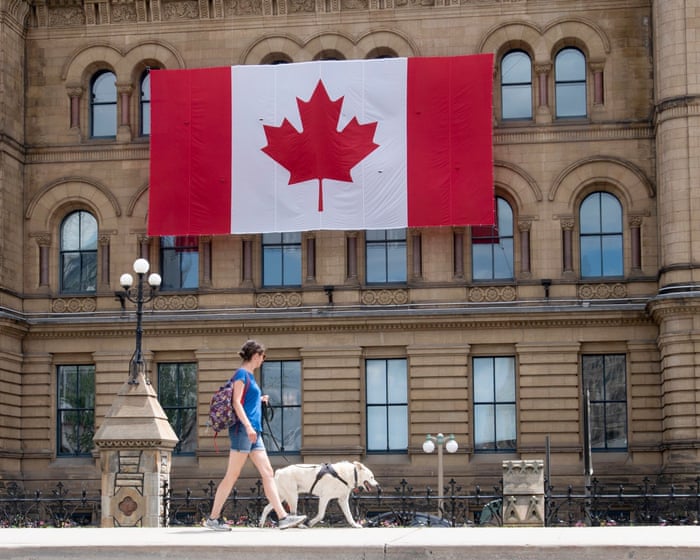
Commentators have repeatedly pointed to Canada, which has deliberately pushed down its share of temporary migrants from a peak of 7.6% in 2024 toward a 5% target, now roughly halfway there. Annual population growth has slowed sharply, from 3.1% to just 0.5%. A CD Howe Institute analysis predicts a modest dip in employment and GDP growth of around 0.5% this year, but researchers describe this as an economy adjusting to demographic change rather than one in trouble — with living standards per person reportedly still improving.
Why the comparison may not hold
Economists caution against assuming Australia would see the same outcome. Canada's population surged far more dramatically after the pandemic and remains about 5% above its pre-pandemic trend, compared with just 0.2% in Australia. Canada also began tightening migration during a period of elevated unemployment following aggressive interest-rate rises, whereas Australia's labour market remains tight, with unemployment at 4.6% and shortages in several industries. Long-term modelling suggests that if Canada's low-growth period became permanent, its economy could end up 11.5% smaller by 2060, straining pension and health-care funding as the population ages — which is why officials see the current squeeze as temporary rather than a lasting policy.