Foreign labour becomes a lifeline for Lithuania's farms
More than 5,000 foreign nationals now work in Lithuania's agricultural sector this year, over double last year's figure, as fewer locals are willing to take farm jobs. Industry representatives say easing bureaucratic hurdles for foreign workers is essential to keep farms running.
Lithuanian farms are leaning increasingly on foreign workers to fill jobs that locals no longer want, and industry figures say this reliance will only deepen as recruiting Lithuanians becomes harder. Farm representatives are pushing for fewer bureaucratic obstacles to hiring from abroad, warning that many operations would struggle to function otherwise.
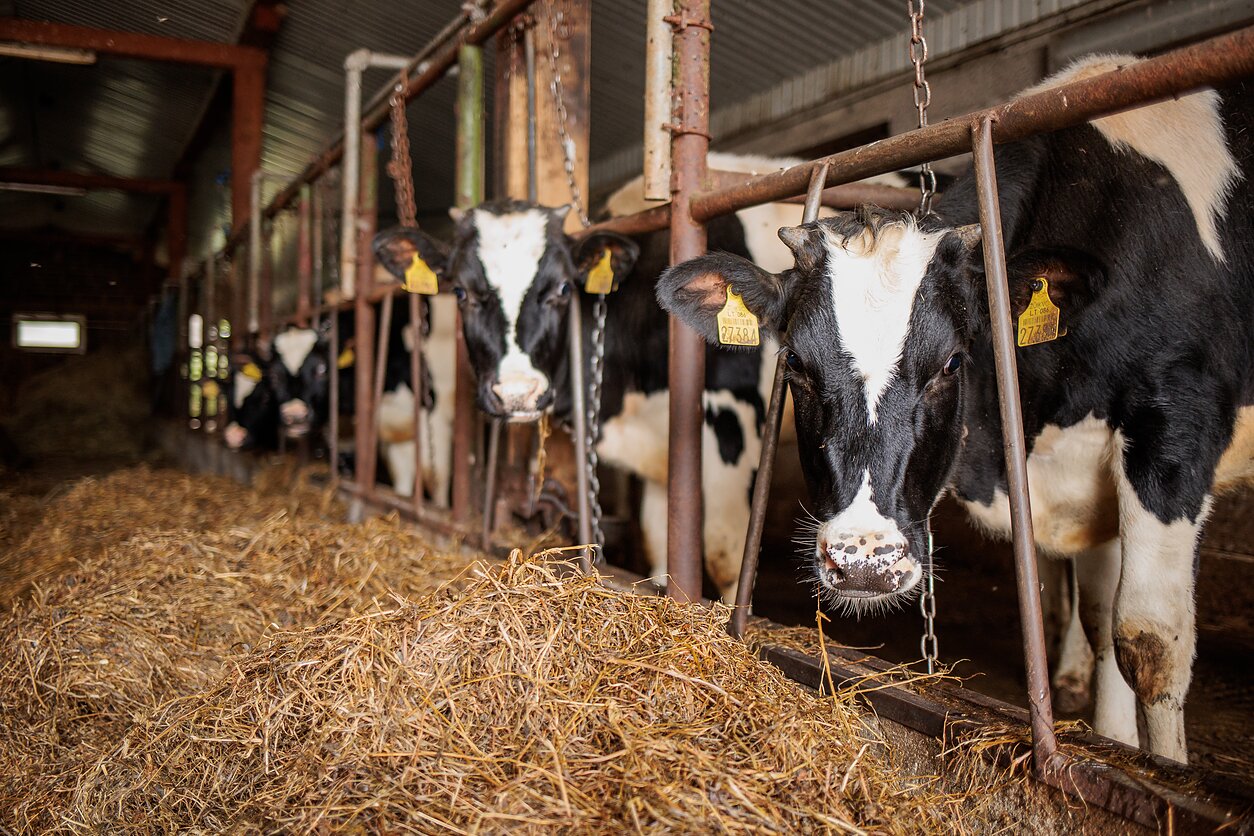
One example is Youbaa Acharaz, who moved to Lithuania from Morocco originally to study and now works as an assistant at a livestock company in the Panevėžys district. He describes the work as demanding but says he has grown to appreciate the animals and the outdoor environment. The company employs staff from Morocco, Ukraine, Turkey, Bangladesh and India, most of whom arrived with no prior experience handling livestock. According to the farm's veterinarian, some newcomers were initially frightened of cows, and the smell proved one of the toughest adjustments — some workers even wore gas masks in winter, which occasionally froze to their faces while they kept working.
A shrinking local workforce
The company turned to foreign recruitment after it could no longer find enough Lithuanians willing to do the work. Local culture, the veterinarian said, treats farm jobs with unpleasant smells as undesirable, whereas abroad such work is often regarded as honest and respectable.
Figures from Lithuania's Employment Service show a sharp rise in foreign nationals working in agriculture — from roughly 2,000 last year to more than 5,000 this year. A deputy director at the service said the shortage is most severe in rural municipalities, where population decline and migration of young people to cities intensify competition for workers. She also pointed to social factors, such as addiction issues, that keep some potential local workers out of formal employment.
The head of the Lithuanian Vegetable Growers Association noted that Lithuanians once worked abroad to support farms there, and now foreign workers are doing the same for Lithuania, helping prevent local farms from collapsing. He expects demand for foreign labour to keep rising and is calling for solutions, including higher quotas, to avoid annual losses from labour shortages. As farms modernise, demand is also growing for skilled foreign workers, with more than 500 currently employed in highly qualified agricultural roles.