Foreign tourists increasingly choose Tallinn while other Estonian regions lag behind
July statistics show foreign tourists are increasingly concentrating their visits in Tallinn, which set a record for overnight stays, while other Estonian regions remain below pre-pandemic tourism levels.
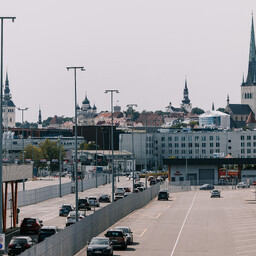
Estonian tourism figures for July — the peak month of the season — show that foreign visitors are increasingly choosing to stay in Tallinn, while the rest of the country has yet to recover to levels seen before the coronavirus pandemic. This July, accommodation establishments across Estonia hosted 964,000 guests, down from just over a million in July 2019.
Tallinn itself, however, broke its previous record, logging 455,000 overnight stays compared to 399,000 before the pandemic. By contrast, areas surrounding the capital and other regions continue to see significantly fewer visitors than seven years ago, when overnight stays in Tallinn's surroundings were about a fifth higher.
SEB economic analyst Mihkel Nestor explains that tourism flows depend heavily on how aware travelers are of other destinations worth visiting in Estonia. Tallinn, he says, is often perceived as just one of several regional capitals that visitors pass through, while drawing tourists from Tallinn to other parts of the country has traditionally proven far more difficult.
A third of the foreign tourists who visited Tallinn in July came from Finland — 145,000 Finns, tens of thousands more than the year before. Harles Tammeleht, executive director of the Mercure hotel chain, notes that while Finns are visiting Tallinn more often, their numbers have dropped in other Estonian regions, including other parts of Harju County as well as Pärnu and Kuressaare, areas that previously relied heavily on the Finnish market.
According to Nestor, this shift is largely tied to Finland's economic situation: although tourism there is recovering and Finns are traveling abroad more, roughly a tenth of the population is unemployed, making travel less feasible for many. Tammeleht adds that demographic change also plays a role, as a new generation with different travel preferences is emerging, while the decline in visitors to health spa resorts has contributed to falling tourist numbers in Pärnu, Kuressaare and Saaremaa overall.