UK closes 13 more asylum hotels, but relocation brings new struggles
The UK government has closed 44 asylum seeker hotels so far this year on the way to ending hotel use entirely, but former residents often end up in worse conditions elsewhere, and protests are following them to their new accommodation.
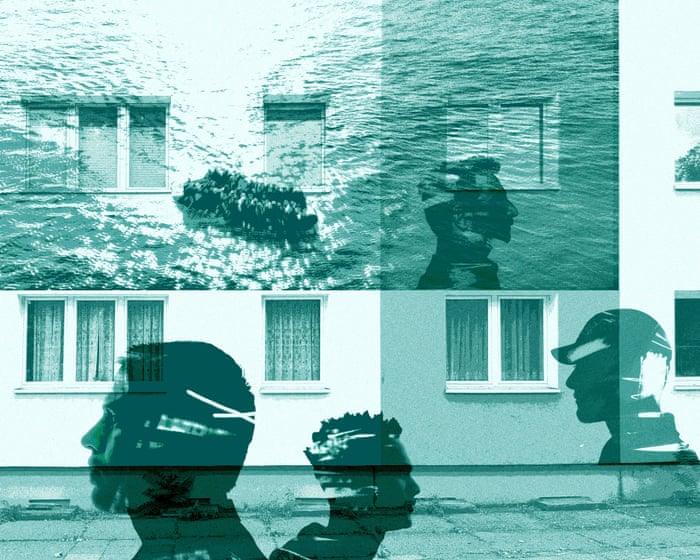
The UK's immigration minister, Anna Turley, has announced the closure of 13 more hotels used to house asylum seekers, bringing the total shut this year to 44. The move is part of Labour's manifesto pledge, reaffirmed by Andy Burnham, to end the use of hotels for asylum accommodation entirely by the end of this parliament. The Home Office says fewer than 160 hotels remain in use.
The announcement came alongside comments from Burnham calling for a fairer distribution of asylum seekers across the country, noting that the poorest local authorities in England currently house a disproportionate share — asylum seekers make up 0.29% of people in the most deprived areas, compared with 0.05% in the least deprived.
What happens after a hotel shuts
When a hotel closes, residents are often moved at short notice to houses of multiple occupancy (HMOs), former military barracks, or other more basic hotels, sometimes hundreds of miles away, forcing them to rebuild language classes, legal support and friendships from scratch. Two barracks sites, in Essex and East Sussex, are already full, with plans to convert three more former military sites. In one village near Bicester, residents are even planning a referendum on seceding from the UK in protest at plans to house over a thousand male asylum seekers at a nearby barracks.
The National Audit Office notes that barracks are not necessarily cheaper than hotels once setup costs are factored in. Hotels cost an estimated £144 per night, compared with about £23 for HMO-style dispersal accommodation, though there is not enough such housing to meet demand.
Some families have found the move especially difficult. One family with a child who has serious health conditions was relocated to a hotel lacking cooking facilities and adequate storage for medical equipment, with the child's condition reportedly worsening since the move.
Protests follow to new sites
Wherever asylum seekers are relocated, protests often follow. In recent weeks, demonstrations targeting HMOs have taken place in Kent and Norfolk, including attempts to storm buildings and several arrests. However, a reporter who has covered the issue for years notes that in many areas, including several hotels in London, residents and asylum seekers have coexisted without incident — media coverage tends to focus on the extreme cases.
The government has said hotel closures could revive local economies by bringing back visitors and footfall. But in Epping, where a hotel remains boarded up after a year of protests and counter-protests, the closure has not erased the division the debate has caused within the community.