Congressman Beyer: Trump's suspension of Russia sanctions is a capitulation to Putin
US President Donald Trump has suspended a law passed by Congress that imposed broad sanctions and tariffs on Russia. Democratic Congressman Don Beyer called the move a capitulation and a betrayal of Ukraine's partners.
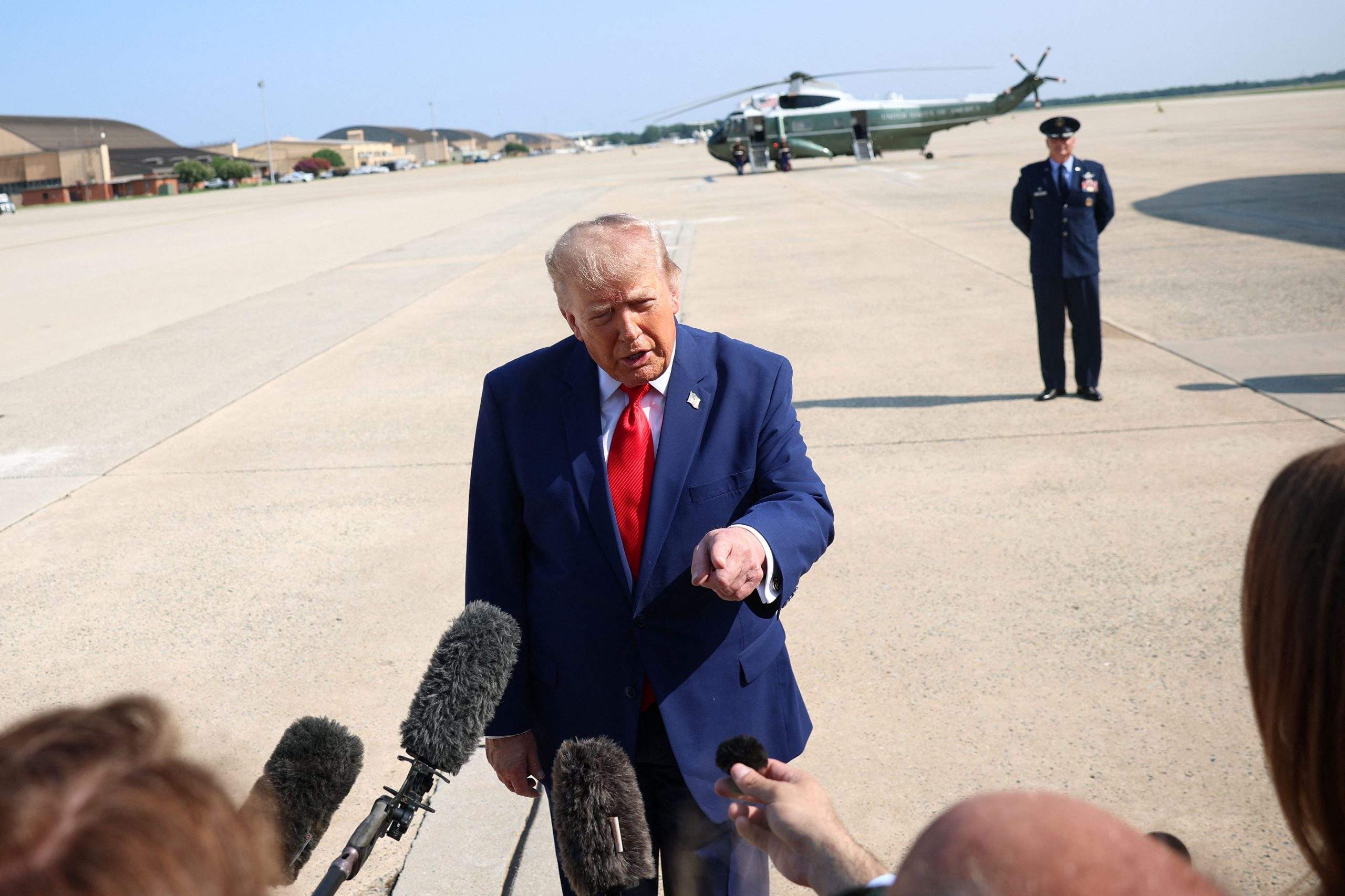
US President Donald Trump's decision to suspend sanctions against Russia has drawn sharp criticism in Congress. Democratic Congressman Don Beyer, who represents Virginia in the House of Representatives, described the move as a capitulation to Russian President Vladimir Putin. He made the comments on the social network X, and they may shape the ongoing debate over American pressure on Moscow over its war against Ukraine.
"This latest step by Trump is, in essence, a capitulation to Putin. It is a betrayal of our Ukrainian partners," Beyer said. In his view, the decision runs counter to Congress's intention to punish Russia for its invasion of Ukraine.
Concerns over presidential powers
The congressman also voiced concern about how Trump uses the powers granted to him. Beyer noted that the president could use the so-called Graham law to pressure US allies and partners. He therefore urged lawmakers to respond and amend the law to limit the possibility of using these powers for such purposes.
What the suspended law provided
Trump signed the bill on broad sanctions against Russia on 18 September, after Congress passed it. Under its terms, the sanctions and tariffs would take effect automatically within 30 days of signing unless the president decided otherwise. Trump halted them shortly before the deadline through an executive order published on Friday. The measures are suspended until further notice, and he said he acted in "US national interests".
The sanctions would target Russia's energy and defense sectors, Putin and other senior officials, and Moscow's "shadow fleet" of tankers used to evade Western sanctions. The law also gave Trump the authority to impose tariffs of up to 100% on the biggest buyers of Russian oil and gas, including India and China. It further targets companies and foreign actors that support the Russian military and expands sanctions on Iran.
The law is named after Republican Senator Lindsey Graham, who had pushed for its passage since April 2025 and died in July this year.