What actually happens when a hybrid battery fails
Hybrid vehicles run on two separate batteries — a small 12-volt unit and a larger traction battery — and the symptoms, causes and correct response differ depending on which one fails. Experts stress prompt attention to warning messages and proper diagnosis by trained technicians rather than an automatic battery swap.
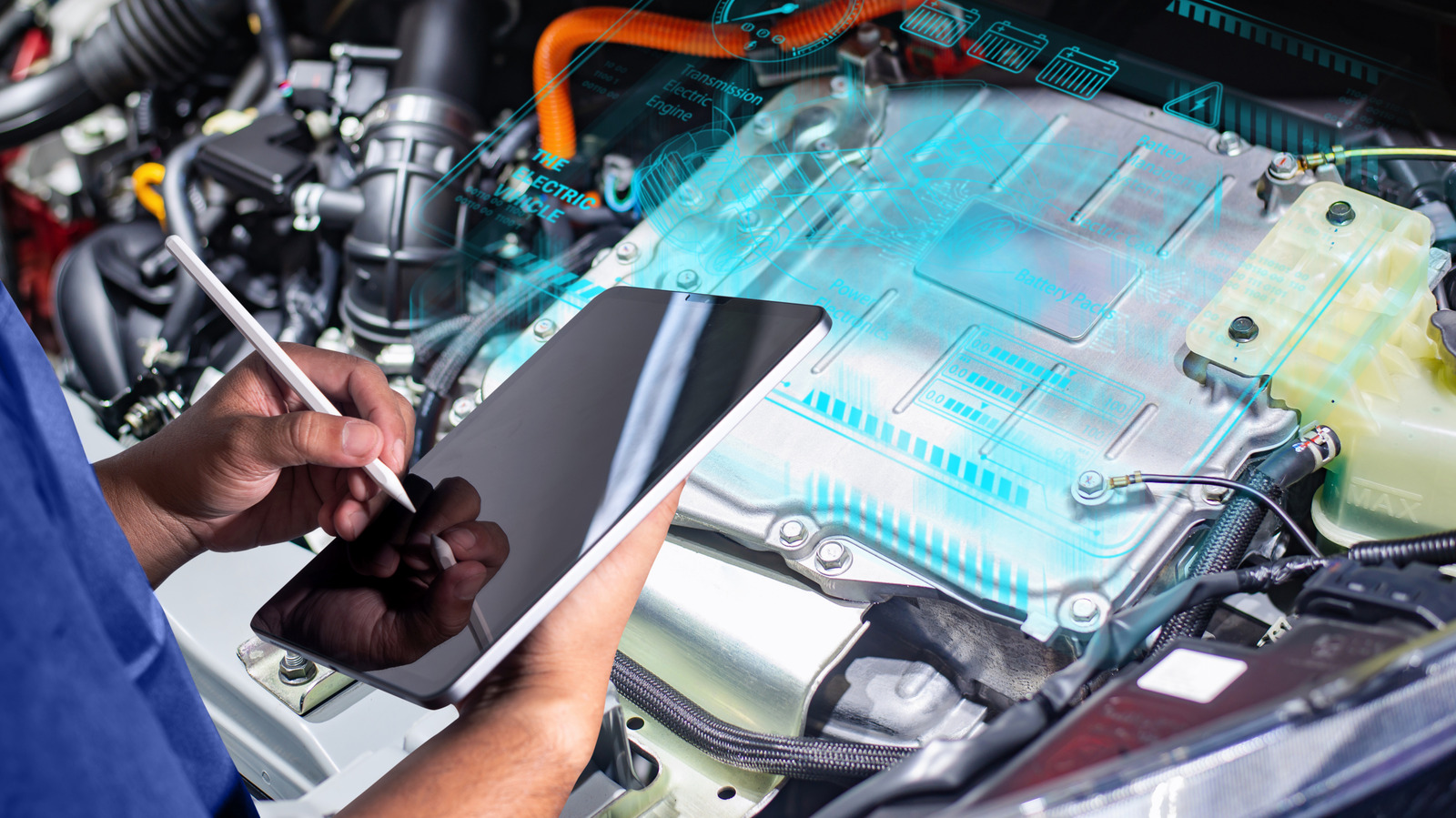
Many hybrid drivers don't realize their car actually relies on two batteries: a small 12-volt auxiliary battery and a much larger traction battery. What happens when a hybrid "battery dies" depends entirely on which of the two is at fault.
The 12-volt battery wakes up the car's computer systems and powers conventional accessories. If it fails, the car can become completely inoperable even when the high-voltage traction pack is perfectly fine. Dim lights, unresponsive door locks or a dashboard that won't wake up are signs pointing toward the 12-volt battery, though these clues alone aren't a diagnosis. Many hybrids can be jump-started at a designated terminal, but that jump only revives the 12-volt system.
The traction battery is not meant to run completely empty during normal driving, since the gasoline engine and regenerative braking keep it charged. A plug-in hybrid showing zero electric range has usually just reached the end of its EV-only distance, not suffered a failure — the car simply switches over to hybrid operation.
If the traction pack develops a genuine fault, the car may keep running with reduced power or may stop and refuse to restart, depending on the model and the specific issue. Warning signs can include dashboard alerts, reduced electric assist, limited acceleration and higher fuel use. Overheating, such as a blocked cooling air intake, can produce very similar symptoms without pointing to a failed pack.
When a warning appears, the dashboard message should be read first. If it instructs the driver to stop safely, they should pull over and call for roadside assistance. Owners should never open the traction-battery case or touch the orange high-voltage cables, since that work requires trained technicians. The proper next step is a full diagnostic check — of the pack, cooling system, wiring, sensors and 12-volt charging circuit — rather than jumping straight to ordering a replacement battery, since the fix can sometimes be as simple as clearing a blocked vent. It's also worth checking hybrid-component warranty coverage first; Toyota, for instance, covers the traction battery in many 2020-and-newer US models for up to 10 years or 150,000 miles.