When war steals the classroom, the damage to children can't be fully undone, experts warn
A new report marking the International Day to Protect Education from Attack found at least 8,566 attacks on education recorded in 2024-2025, a rise of over 40%. An expert warns the harm caused by conflict cannot be fully compensated for.
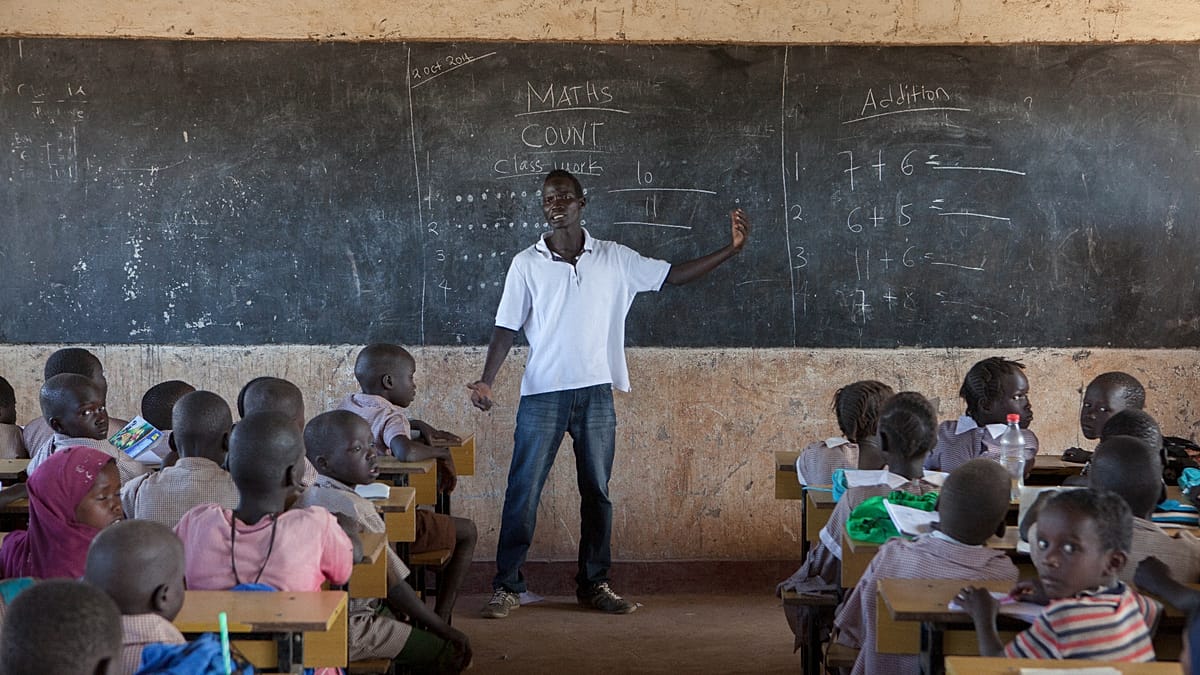
As the world marked the International Day to Protect Education from Attack on 9 September, a new report painted a troubling picture of education under threat worldwide. The Education Under Attack report recorded at least 8,566 attacks on education, and incidents involving the military use of schools and universities, in 2024 and 2025 — an increase of more than 40% compared with the previous reporting period. At least 10,600 students, teachers, professors and other education staff were harmed. From Ukraine to Sudan and Gaza, millions of children have gone months or years without regular schooling because of conflict.
Damage that can't be reversed
Dr Maleiha Malik, Executive Director of the Education Above All Foundation, said the consequences of missed schooling can follow children long after fighting ends, damaging entire education systems and risking long-term poverty and cycles of violence. While accelerated learning programmes and technology can help children close some gaps, she cautioned that conflict's damage cannot be fully compensated for. She pointed to the COVID-19 pandemic as an example of both the cost of disrupted schooling and the potential of learning delivered outside a traditional classroom. But she stressed that before addressing knowledge gaps, the emotional and psychological impact of conflict on a child must be considered.
A troubling threshold
Malik described the 40% rise in attacks as a surge rather than a minor increase. Referring to a recent UN report on children and armed conflict, she highlighted growing involvement of government forces in attacks on schools as one of the most alarming developments, calling it a sign that states are increasingly willing to risk striking civilian targets.
Felt beyond the front lines
Malik noted that regional conflict is also affecting children in Qatar and other Gulf states, where sudden school closures, rocket fire, interceptions and airport shutdowns have become part of daily life, creating ongoing stress for children, parents and teachers alike. She advised parents to be honest with children using age-appropriate language, without causing unnecessary alarm. Malik argued that the international community has failed to adequately protect education during conflict, but said the response should be to strengthen international institutions and multilateral cooperation rather than abandon them.